Baby Development Milestones: 6 to 12 Months
Every milestone here comes with a genuinely wide normal range. Here's what to expect, and when a gap is worth mentioning to your health visitor.
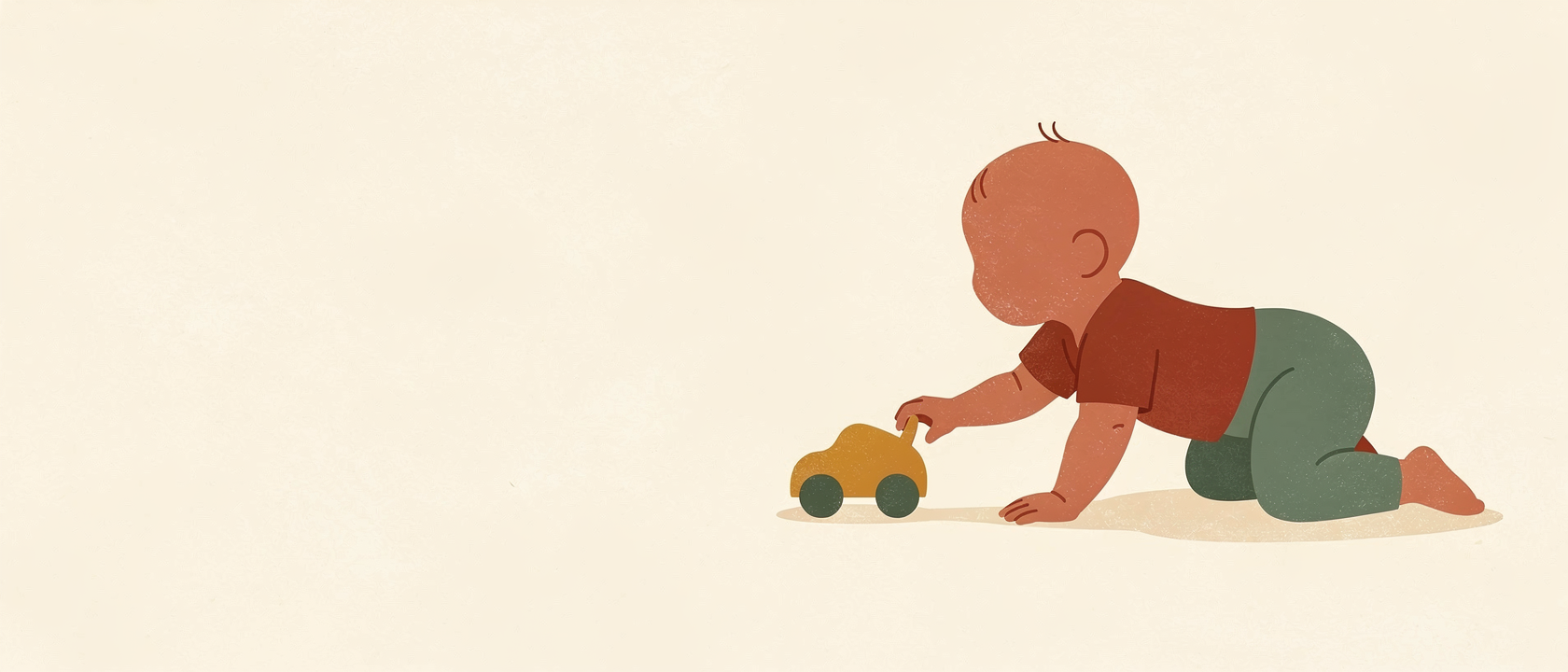
The 6–12 month stretch covers some of the most visible developmental change of your baby's first year — sitting, moving, first words, first foods. Every milestone below has a wide normal range; the numbers are guides, not deadlines.
Physical movement
- Sitting unsupported: typically 6–8 months
- Crawling: typically 7–10 months, though some babies bottom-shuffle instead of crawling, or skip crawling entirely — both are within normal variation
- Pulling to stand: typically 8–10 months
- Cruising (walking holding furniture): typically 9–12 months
- First independent steps: typically 9–15 months — walking before their first birthday and walking at 15 months are both entirely normal
Fine motor and hand skills
- Pincer grip (thumb and finger, for picking up small food pieces): typically 8–10 months
- Transferring objects hand to hand: typically 6–7 months
- Deliberately dropping/throwing objects (often mistaken for naughtiness — it's cause-and-effect learning): from around 9 months
Communication and social
- Babbling with consonant sounds ("baba", "dada"): typically 6–9 months
- Responding to their own name: typically 7–9 months
- First recognisable words: typically 10–14 months
- Waving, pointing, simple gestures: typically 9–12 months
- Separation anxiety, often peaking around 8–10 months, is a sign of healthy attachment, not a problem to fix
When to mention something to your health visitor
Every milestone above has a wide normal range, and one late milestone in isolation rarely means anything on its own. It's worth raising with your health visitor if: your baby isn't sitting with support by 9 months, shows no interest in reaching or grasping objects by 6 months, isn't babbling at all by 9 months, or you notice a loss of a skill they'd previously had (regression is a more meaningful flag than lateness). Your 9-month and 2-year reviews are built-in checkpoints for exactly this — use them rather than waiting for a specific worry.
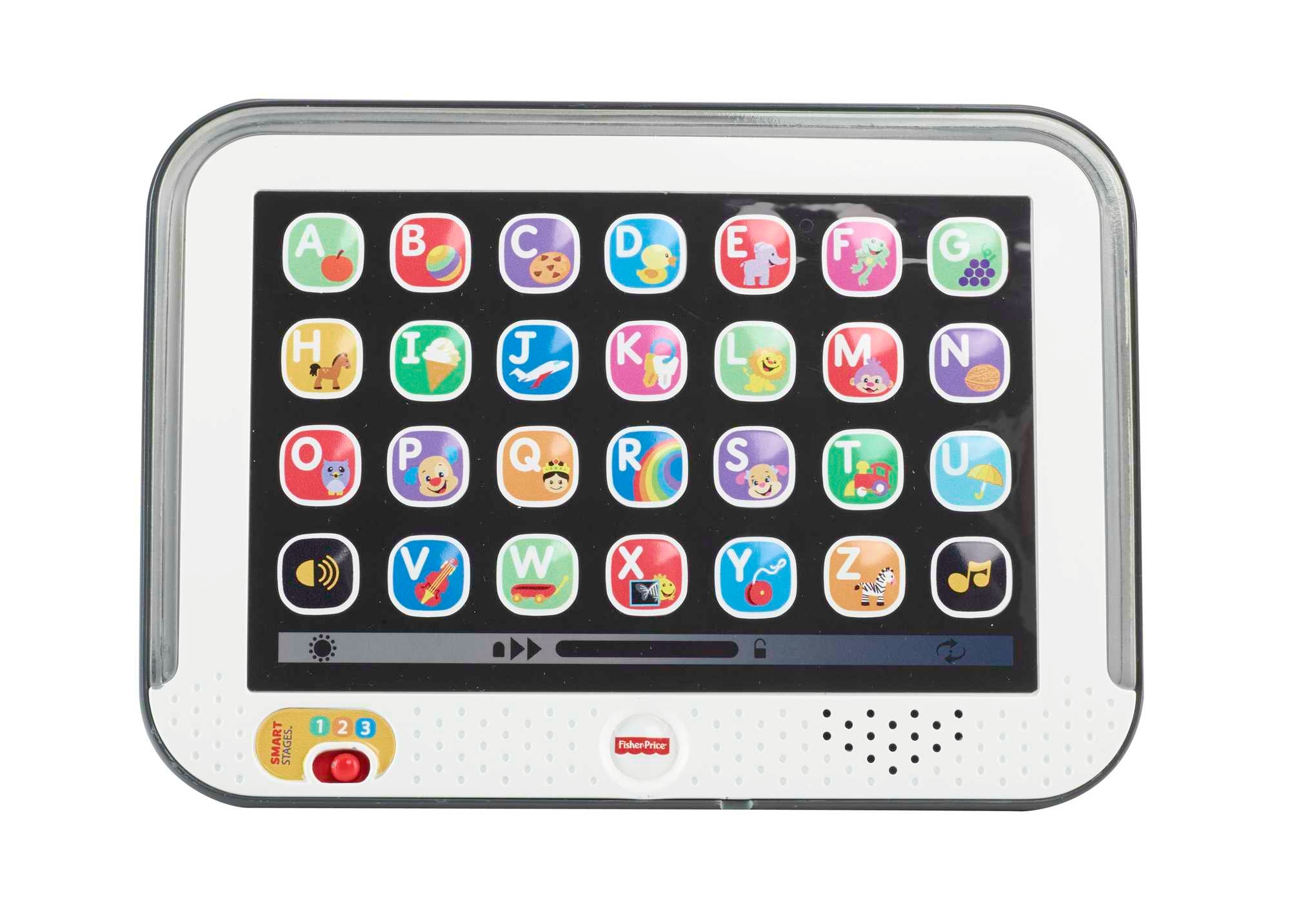
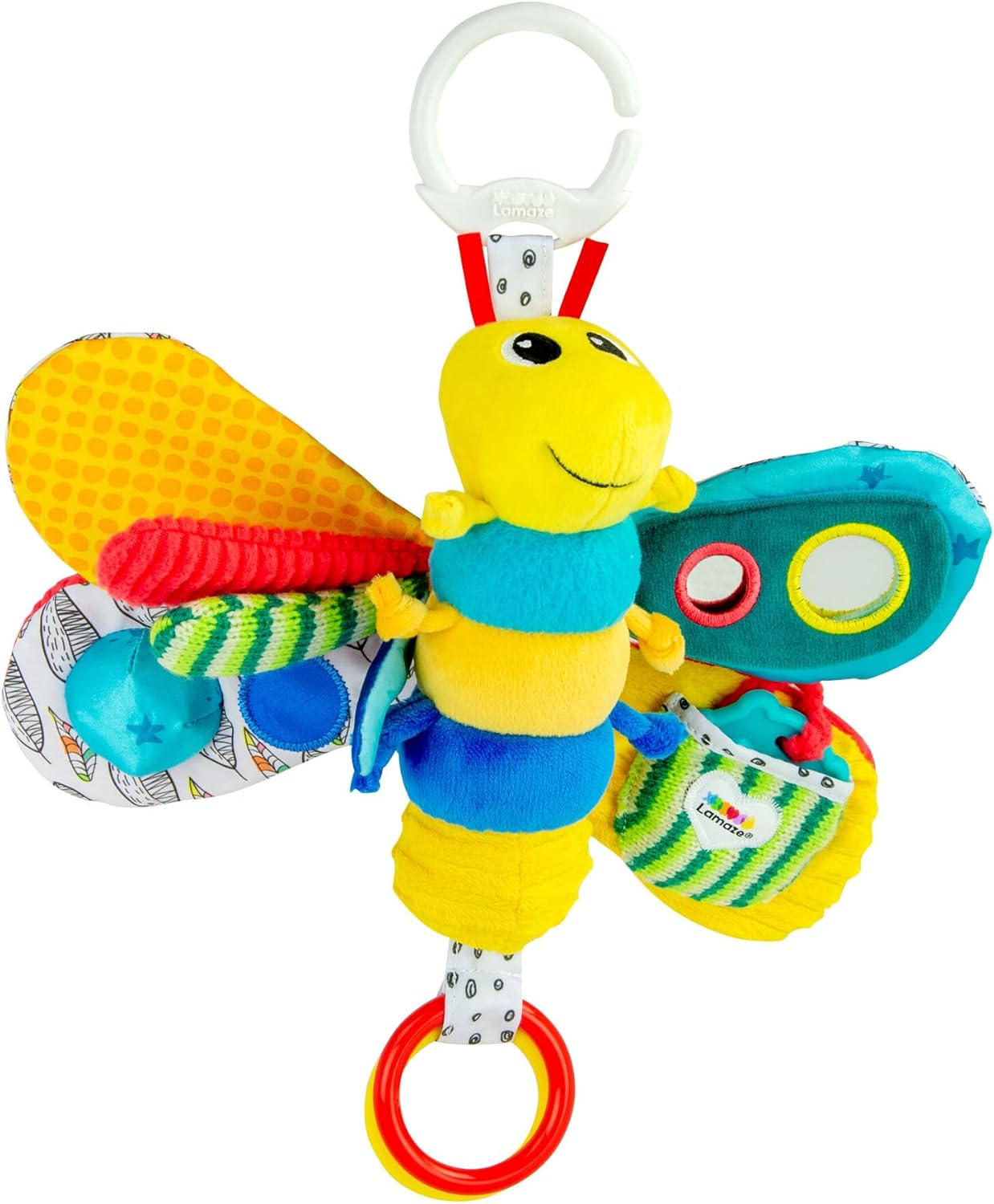
Mentioned in this guide
Frequently asked questions
My baby isn't crawling at 10 months — should I be worried?+
Not necessarily. Some babies bottom-shuffle instead of crawling, or move straight to cruising and walking without crawling conventionally — both are recognised normal variations. Mention it at your next health visitor check if you're unsure.
Is it bad if my baby skips crawling entirely?+
No — a meaningful minority of babies never crawl in the conventional hands-and-knees way and go straight to standing and walking. This alone isn't a developmental concern.
What happens at the 9-month development check?+
A health visitor reviews physical, communication and social development against expected ranges, checks growth, and gives you a chance to raise any concerns — it's a routine, standard part of NHS baby care, not something to worry about in advance.
Sources

Written by
Sepehr
Software engineer, soon-to-be dad, uncle to four — the tech-obsessed half of the two of us testing this stuff. Currently building this site with my wife, ahead of our own baby arriving.