Baby-Proofing Your Home, Room by Room
You don't need to baby-proof everything the week your baby is born. Here's what matters, and roughly when.
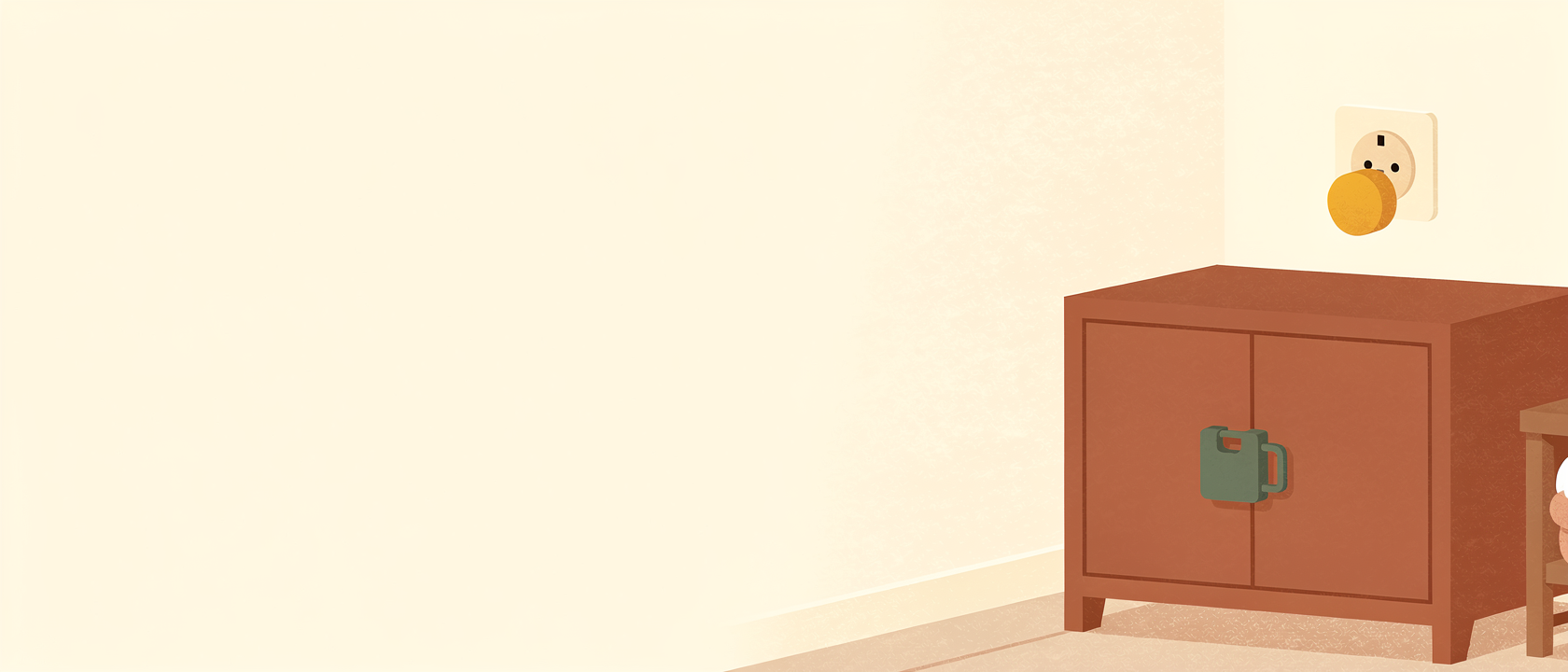
Baby-proofing checklists tend to dump 40 items on you at once, which makes it feel urgent and overwhelming simultaneously. In reality, most hazards only become relevant once your baby starts moving — rolling, then crawling, then pulling to stand, then walking, each stage opening up new reach and new risks.
Kitchen
- Cupboard and drawer locks on anything containing cleaning products, sharp items or glass — needed from crawling age (typically 6–10 months)
- Cooker/oven guard and turning pot handles inward while cooking
- Bin lock or a bin your baby can't tip or open
- Fridge lock if magnets, small items or medication are stored on or in it
Living room
- Furniture anchors for any freestanding bookcase, TV unit or chest of drawers a pulling-to-stand toddler could topple
- Corner and edge cushions on coffee tables and hearths
- Cord tidies for blind and curtain cords — a genuine strangulation risk, worth addressing before crawling stage, not after
- Fireguard if you have an open fire or exposed radiator
Stairs and hallways
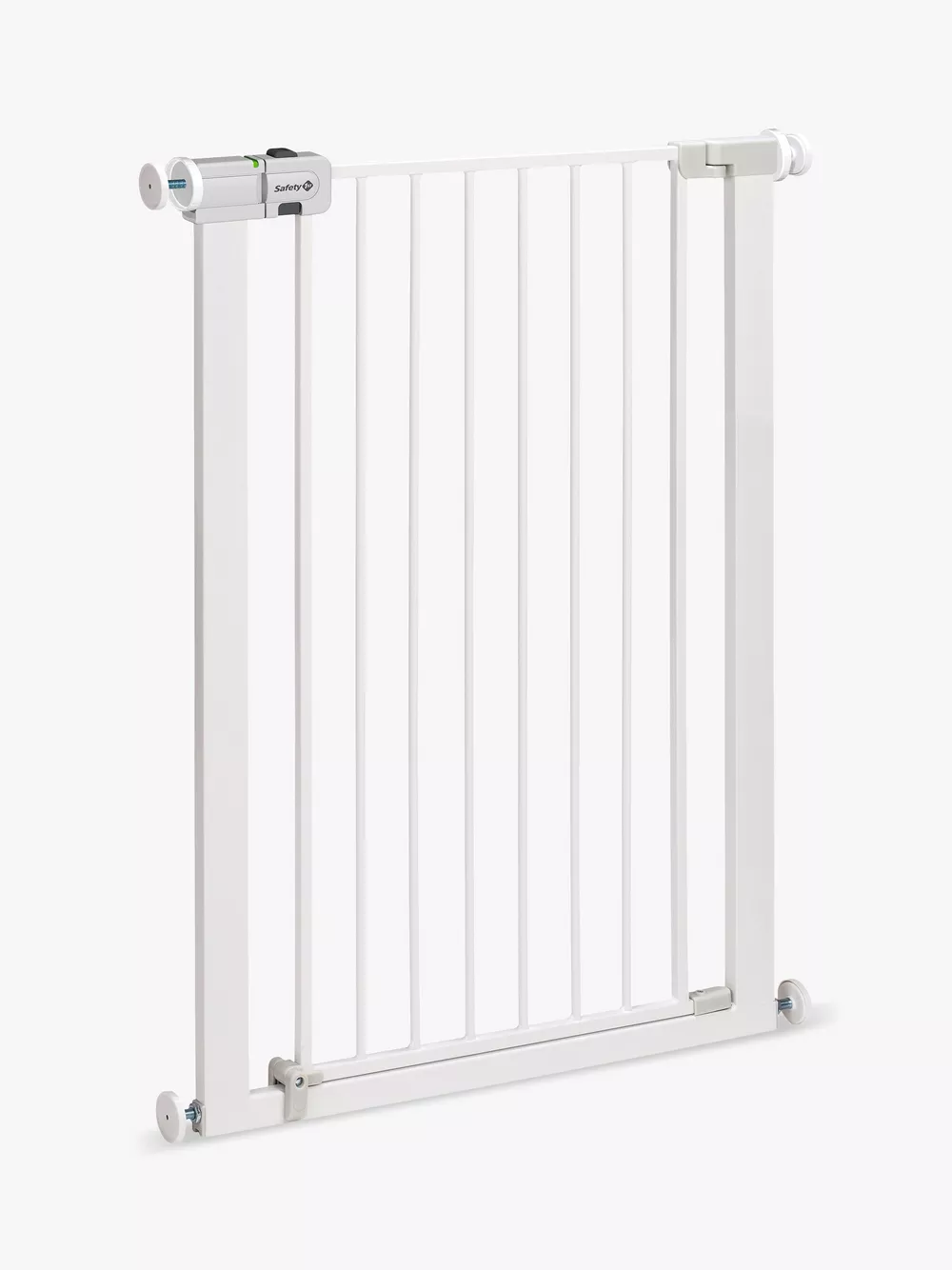
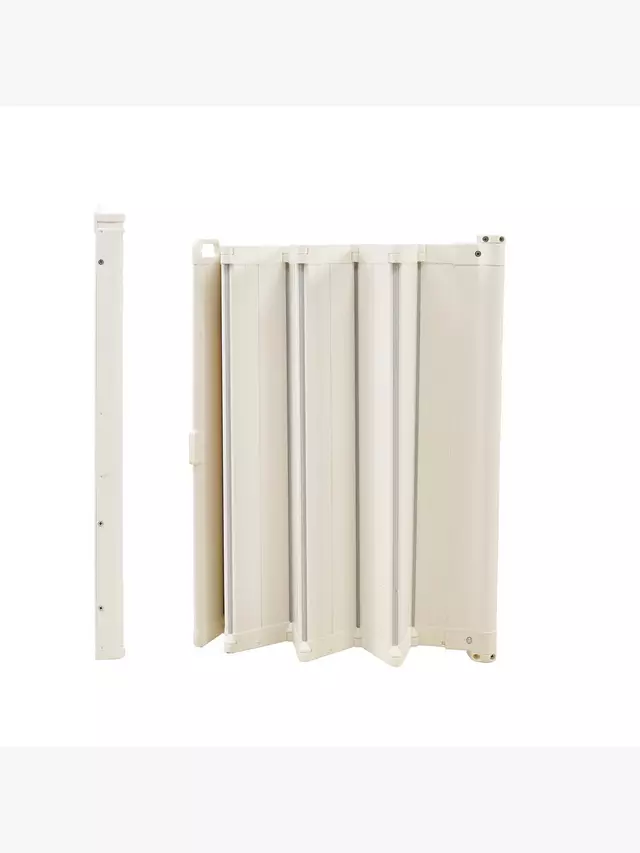
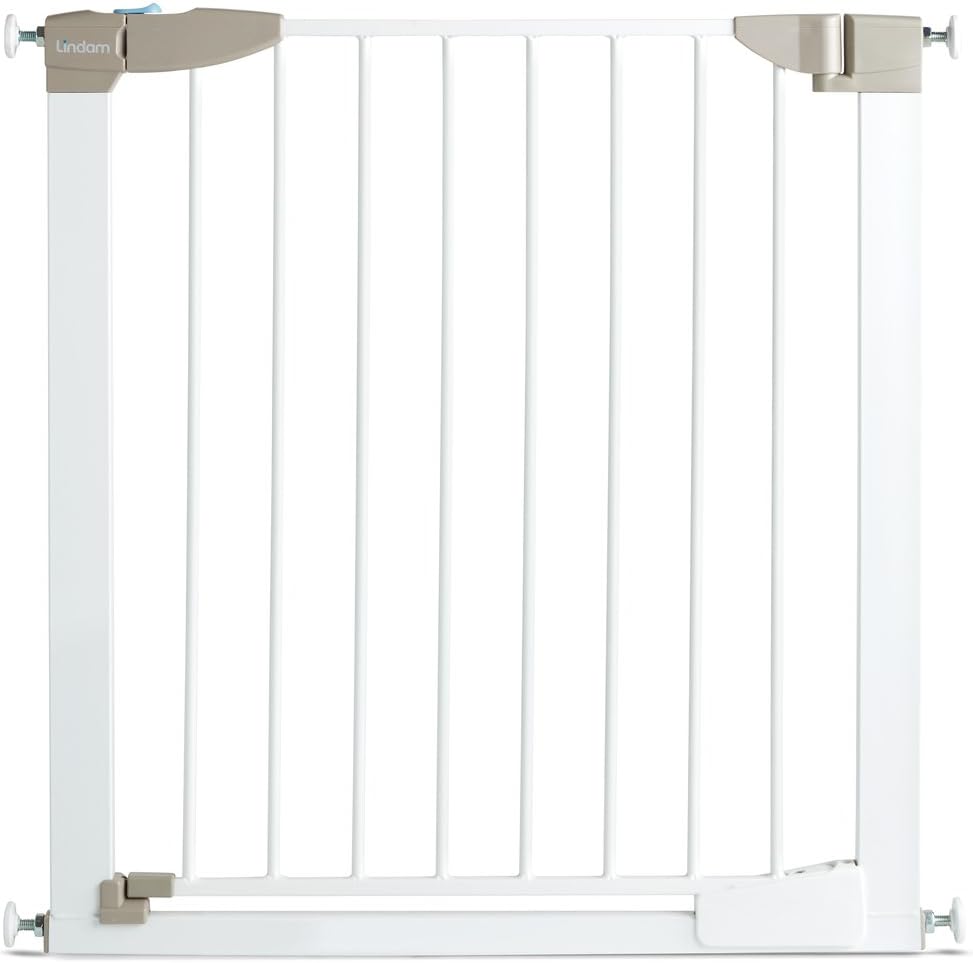
- Stair gates at both the top and bottom, fitted before your baby starts crawling toward them — top-of-stair gates specifically need to be screw-fixed, not pressure-fit, since a fall from a dislodged pressure gate at height is far more dangerous
- Non-slip stair treads if your stairs are bare wood or laminate
Bathroom
- Never leave a baby unattended in the bath, even for seconds — no product substitutes for supervision
- A toilet lock, once your baby is mobile enough to reach and lift the lid
- Thermostatic mixing valve or a bath thermometer, since scalding is a real and common household injury
- Medication and cosmetics stored well out of reach, ideally in a locked cabinet
Bedroom / nursery
- Cot slats no more than 6.5cm apart, and mattress fitted snugly with no gaps
- Nothing loose in the cot for babies under 12 months — no pillows, loose blankets, or soft toys, per NHS safer sleep guidance
- Window restrictors on any window a climbing toddler could reach
A realistic timeline
Sockets, cords and cupboard locks by the time your baby starts rolling and reaching (around 4–6 months) is sensible. Stair gates and furniture anchors need to be in place before crawling starts in earnest, which can arrive faster than expected — some babies crawl from 6 months, others closer to 10. The safest approach is fitting the big-ticket items (stair gates, furniture anchors, socket covers) a little earlier than you think you need them, since retrofitting after a near-miss is a stressful way to catch up.
Mentioned in this guide
Frequently asked questions
When should I start baby-proofing?+
Sockets, cords and reachable hazards are worth addressing from around 4–6 months as your baby starts reaching and rolling. Stair gates and furniture anchors should be fitted before crawling begins, which can start as early as 6 months.
Do I need a stair gate at both the top and bottom of the stairs?+
Yes — most safety guidance recommends gating both ends, with a screw-fixed (not pressure-fit) gate specifically at the top, since a fall from height is more serious.
What's the biggest baby-proofing item people forget?+
Furniture anchoring for freestanding units like bookcases and chests of drawers — tip-over injuries from furniture are a genuine, under-recognised risk once a baby starts pulling to stand.
Sources

Written by
Sepehr
Software engineer, soon-to-be dad, uncle to four — the tech-obsessed half of the two of us testing this stuff. Currently building this site with my wife, ahead of our own baby arriving.