Best Baby Monitors Compared: Audio, Video and Movement
Not every family needs a movement monitor, and not every video monitor is worth its price premium. Here's how the main types actually compare.

Baby monitors split into three broad tiers — audio-only, video, and movement/breathing monitors — and the right one depends less on budget alone and more on which specific reassurance you're actually looking for.
Audio vs video: what video actually adds
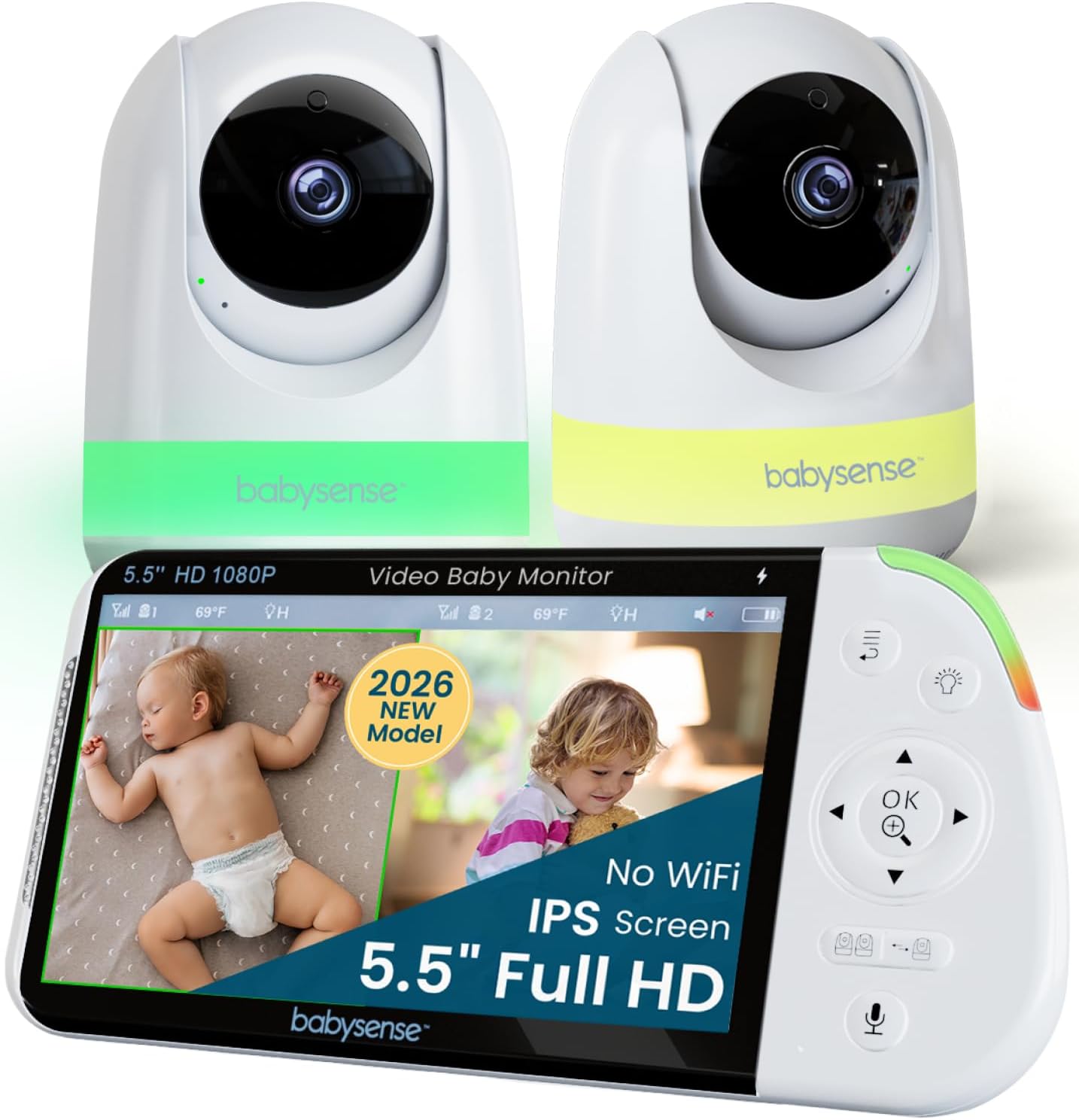
Audio-only monitors tell you your baby is crying; video monitors let you check why without walking in, which matters most in the early weeks when you're trying to judge whether a stir needs a response or will self-settle. The trade-off is price and setup complexity — a good video monitor costs several times an audio-only one, and most now stream to a phone app as well as (or instead of) a dedicated screen.
The models compared
- Motorola Smart Nursery Cam (£59.99) is the accessible entry point into video monitoring — a phone app with clear video, no dedicated screen included. The trade-off is a purely app-based interface, so no glanceable bedside display without your phone in hand.
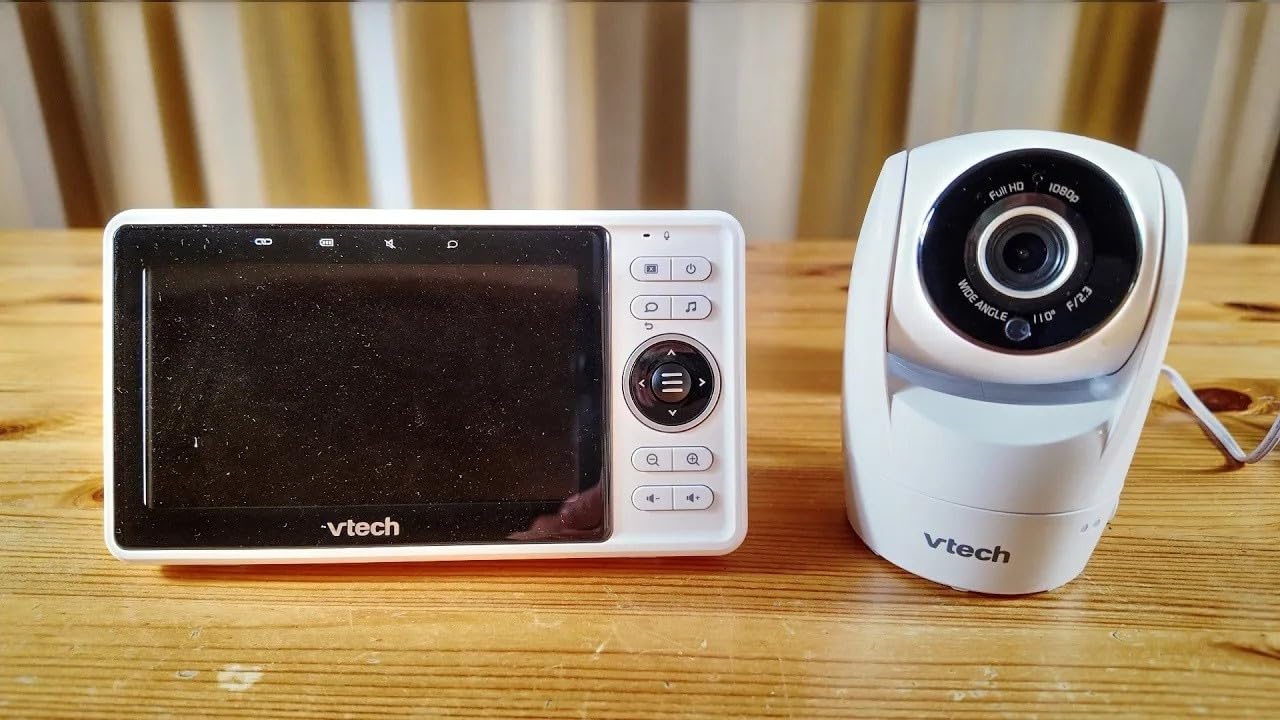
- VTech RM7754HD (£140) pairs a proper 5-inch dedicated parent unit with the video feed, which many parents prefer overnight since it avoids reaching for a phone (and the notifications that come with it) at 3am.
- Hubble Nursery Pal Glow (£89) sits between the two on price, adding a soft night-light function built into the camera itself, useful if you also want a low-level light source for night feeds without a separate lamp.
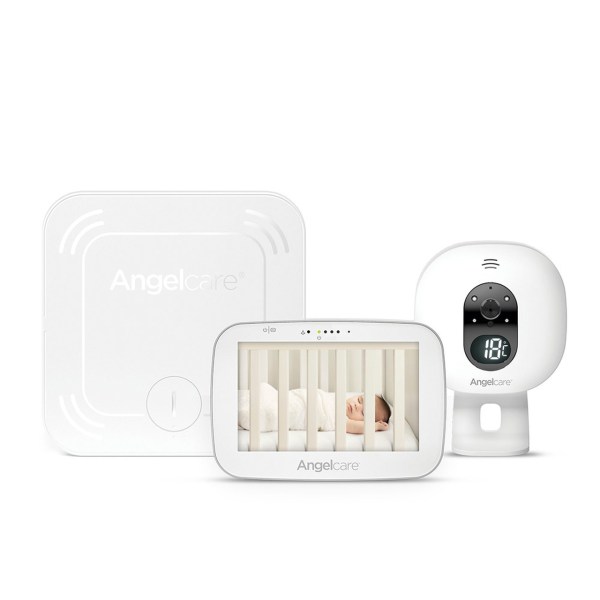
- Angelcare AC527 (£149.99) is the movement-monitor option in this set — a video and sound monitor plus an under-mattress sensor pad that alerts if no movement is detected for 20 seconds. This is the one genuinely different category here: it's aimed specifically at parents who want a breathing-movement safety net, not just a way to see and hear their baby.
- Nanit Pro (£299) is the premium smart-monitor option, adding sleep-tracking analytics, breathing motion detection without a wearable or under-mattress pad, and a wall-mounted design that gives a full crib view. It's the most expensive by a clear margin, and the ongoing value depends heavily on whether you'll actually use the sleep-analytics features regularly rather than just the video feed.
Do you need a movement monitor?
The NHS does not recommend movement monitors as a replacement for safe sleep practices (back sleeping, clear cot, room-sharing for the first 6 months) and is clear there's no good evidence they reduce the risk of SIDS. Some parents still find them reassuring for peace of mind specifically, which is a reasonable personal choice — just go in with realistic expectations about what they do and don't prove.
Which to choose
If budget is the main constraint, the Motorola gets you real video monitoring for a fraction of the premium options' price. If you want a dedicated bedside screen rather than relying on your phone, the VTech is the stronger pick. If movement/breathing reassurance specifically is what you're after (understanding the NHS caveat above), the Angelcare is the one built for that. The Nanit is worth the premium only if you'll genuinely use the sleep-tracking side, not just the camera.
Mentioned in this guide
Frequently asked questions
Do I need a video monitor or is audio-only enough?+
Audio-only tells you your baby is crying; video lets you assess why without walking in, which is most useful in the early weeks. Many families find audio-only perfectly sufficient once past the newborn stage.
Do movement monitors reduce the risk of SIDS?+
No — the NHS is clear there is no good evidence that movement monitors reduce SIDS risk, and they should not replace standard safe sleep practices like back sleeping and a clear cot.
What's the difference between the Nanit Pro and a standard video monitor?+
The Nanit adds sleep-tracking analytics and wall-mounted breathing motion detection without a separate pad or wearable, at a significant price premium — its value depends on whether you'll actually use those extra features.
Sources

Written by
Sepehr
Software engineer, soon-to-be dad, uncle to four — the tech-obsessed half of the two of us testing this stuff. Currently building this site with my wife, ahead of our own baby arriving.