Best Infant Car Seats Compared by Budget
The core safety standard is the same across this list. What changes with price is recline, rotation, and system compatibility.
Every i-Size infant car seat sold in the UK has to meet the same regulatory safety standard (R129), which covers side-impact protection and crash performance — a £175 seat and a £350 seat are both required to pass the same core test. What changes with price is recline, rotation, weight, and how widely it's compatible with pushchair systems, not the fundamental safety floor.
Budget tier: around £150-£200
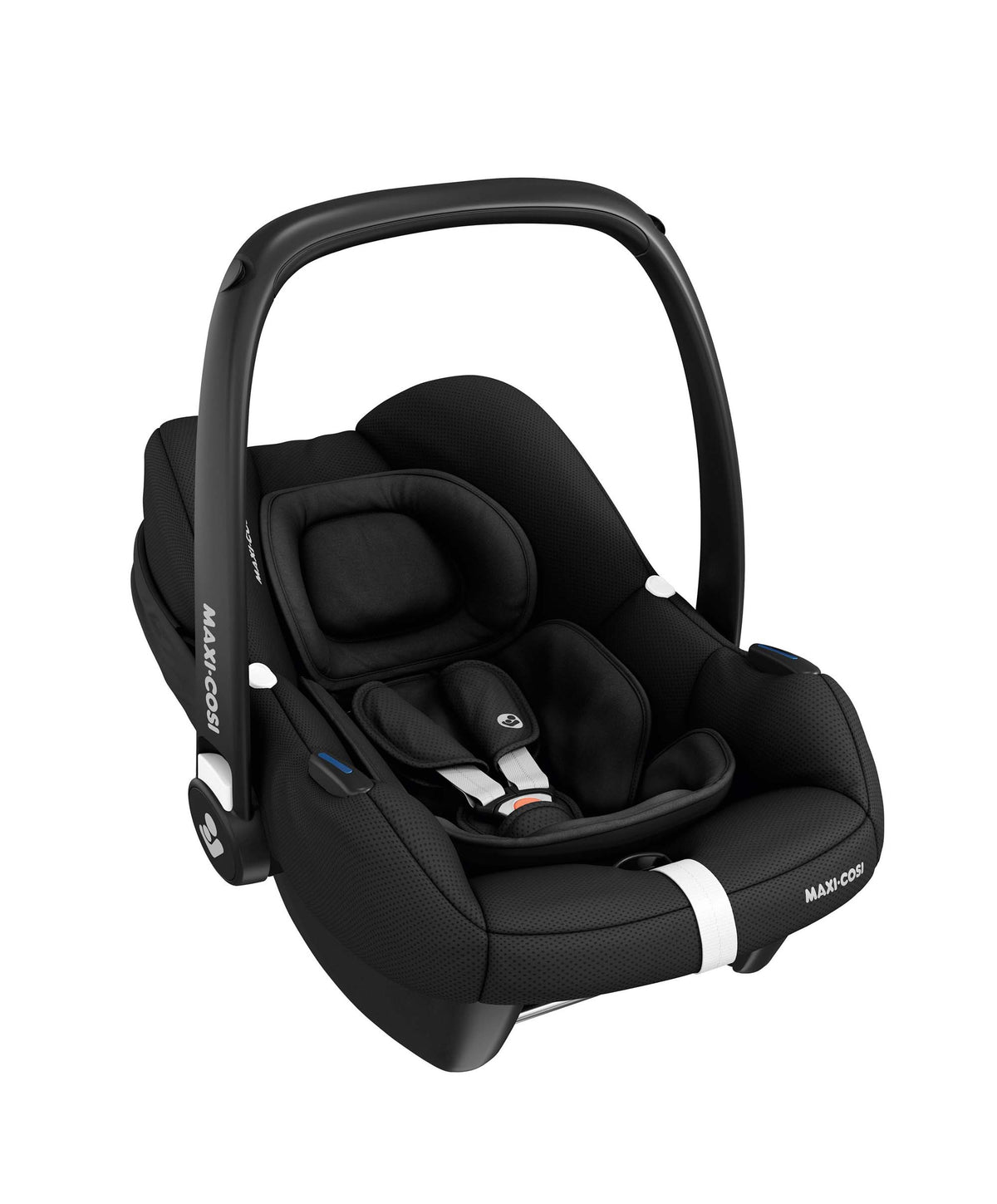
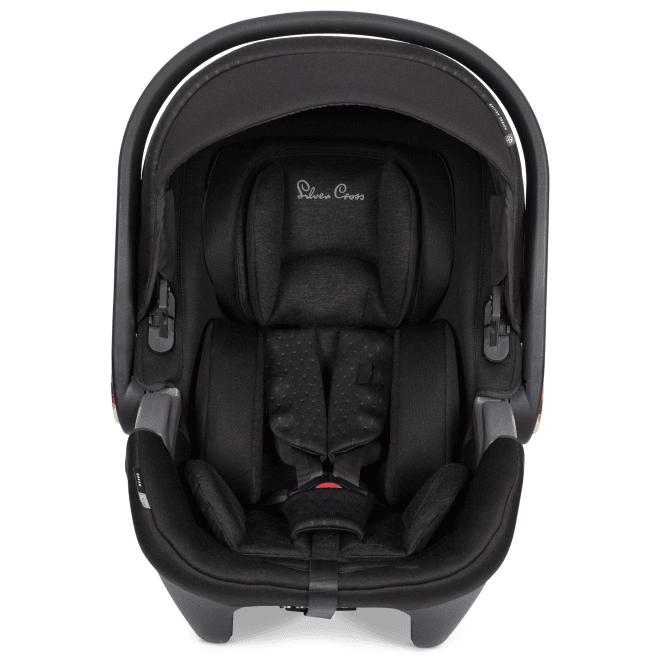
The Maxi-Cosi CabrioFix (£175) is the reference point in this tier — light at 3.2kg, compatible with a huge range of ISOFIX bases and pushchair systems, fixed semi-upright recline. The Silver Cross Dream i-Size (£200) is a close comparison, similarly light and straightforward, with slightly different pushchair compatibility depending on which system you already own or are considering.
Mid tier: around £220
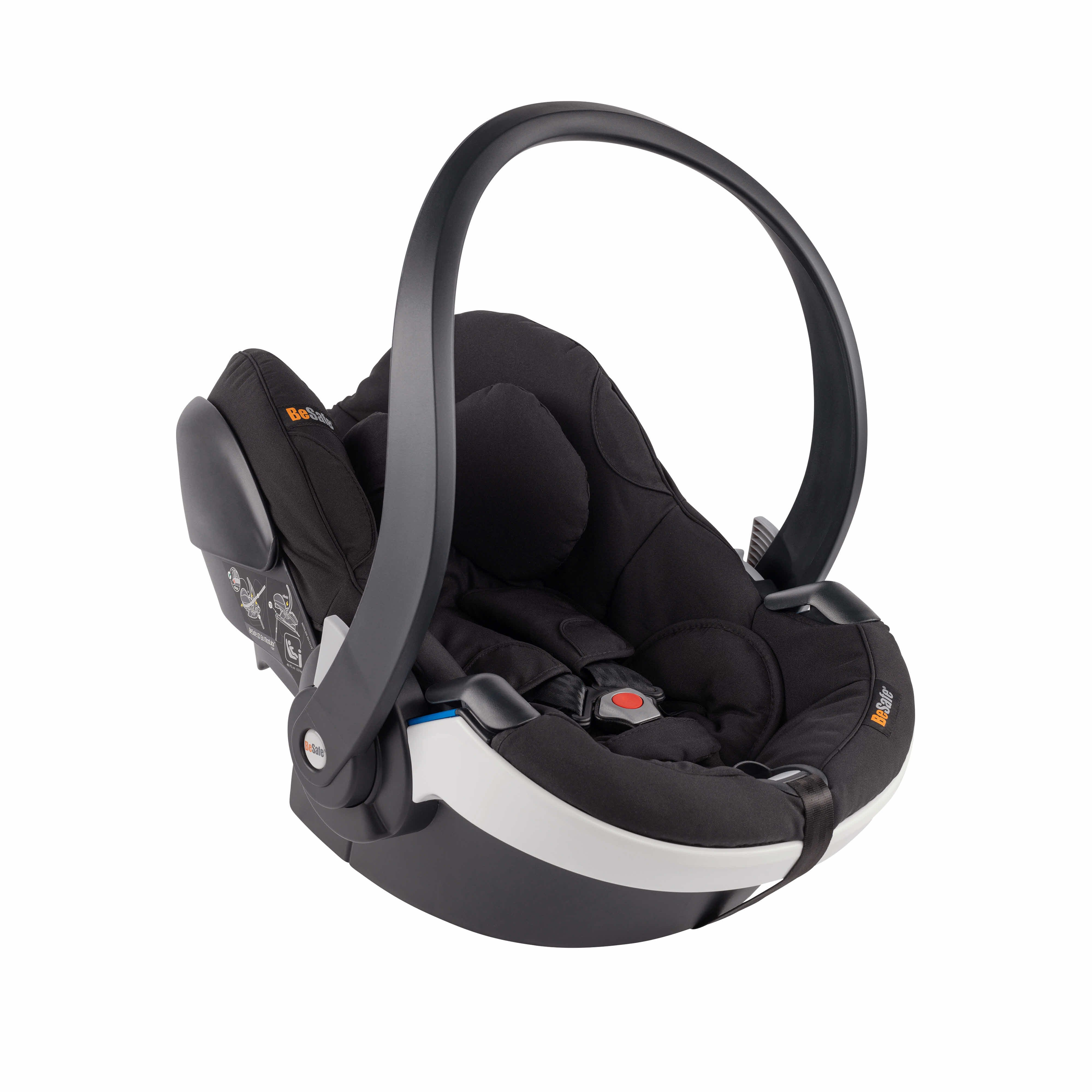
The BeSafe iZi Go Modular X1 (£220, carrier only, base sold separately) sits here, with a stronger focus on side-impact protection design than the entry-level tier, at the cost of needing to budget for the ISOFIX base as a separate purchase.
Premium tier: around £330-£350
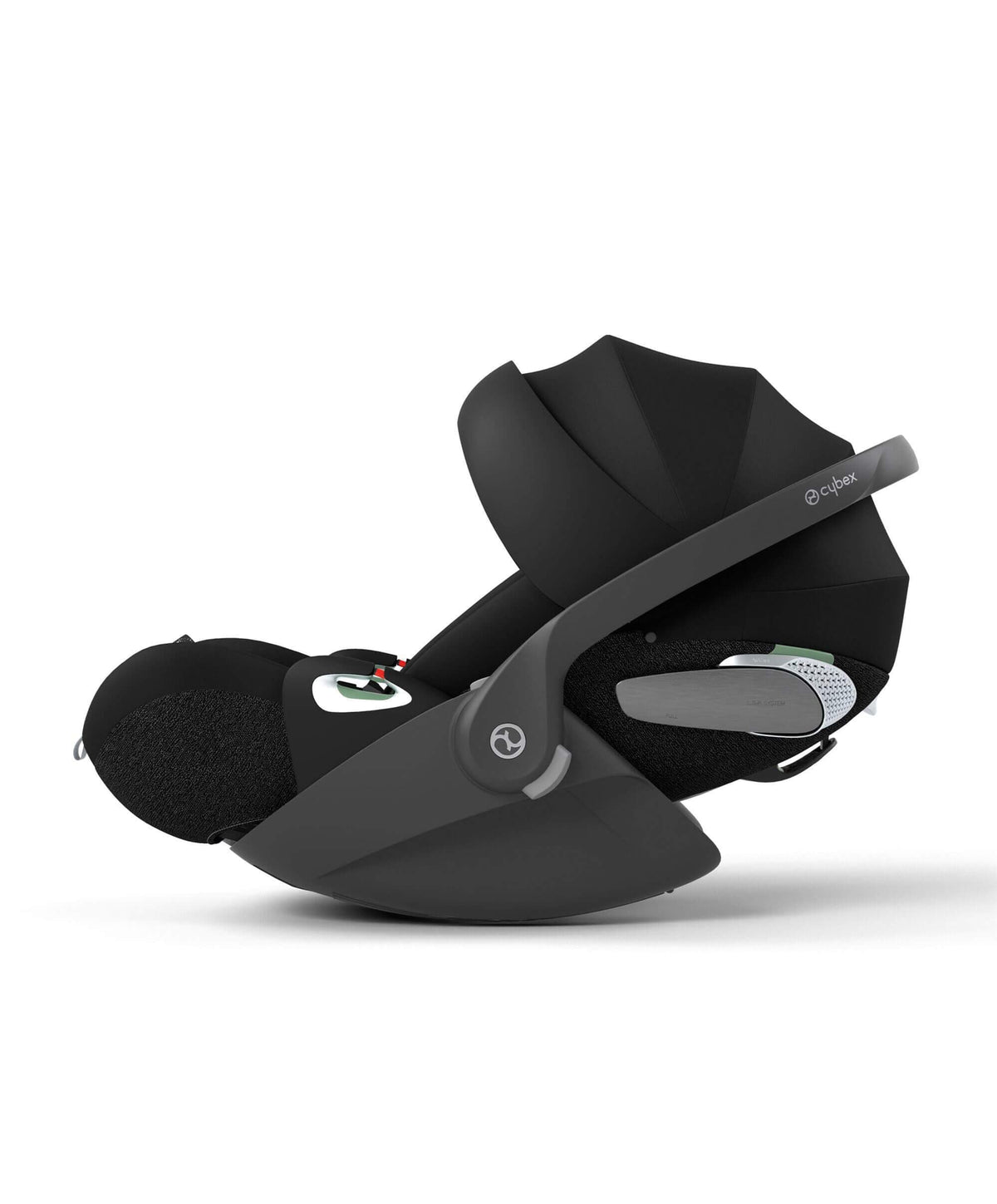
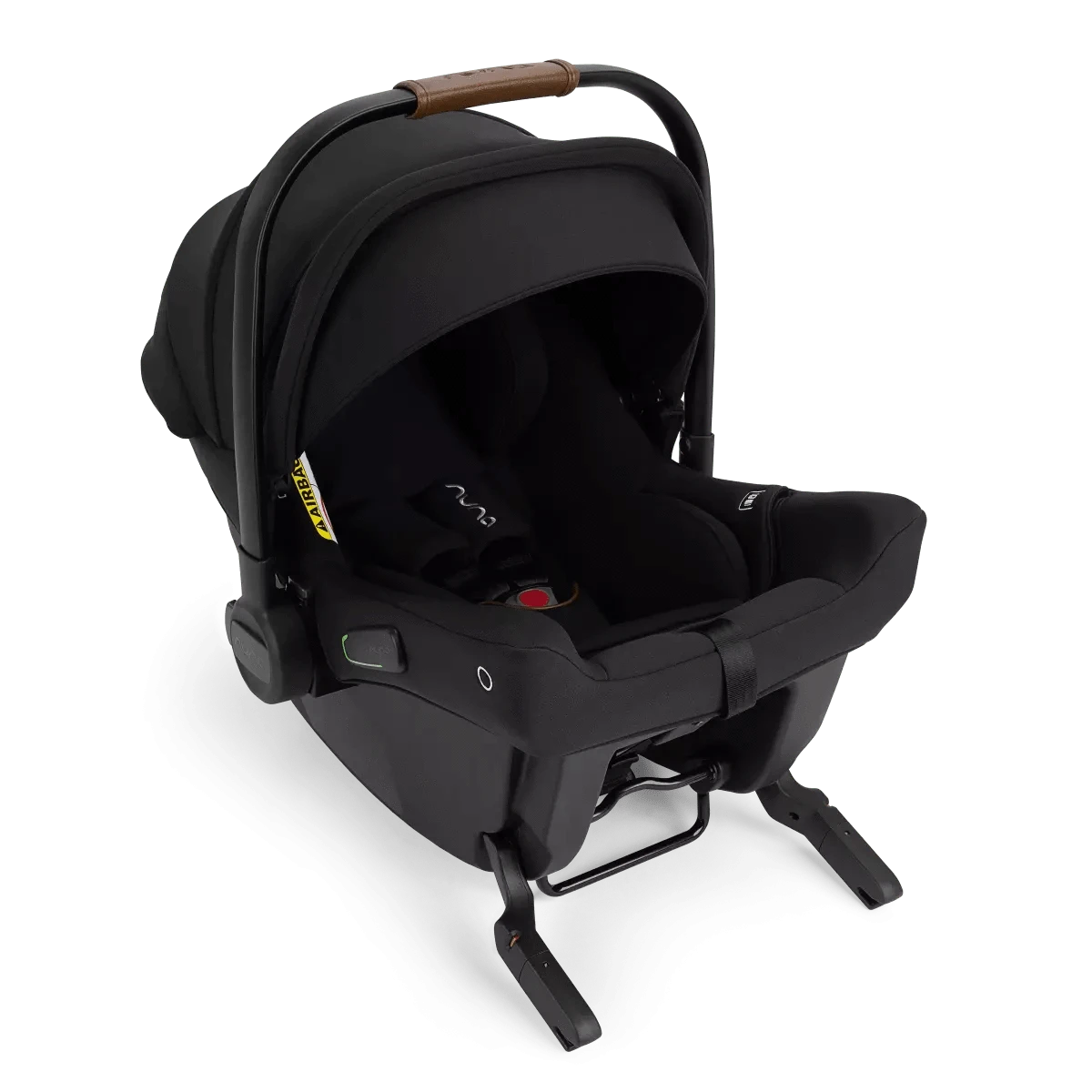
The Nuna Pipa Urbn (£330) and Cybex Cloud T (£349.95) both add features the budget tier skips entirely. The Cloud T rotates and reclines properly flat, letting a newborn lie in a genuinely comfortable position for longer journeys — something the fixed, semi-upright budget seats can't offer. The Pipa Urbn's core advantage is its magnetic no-twist harness buckle system, which meaningfully speeds up securing a wriggling newborn compared to a standard buckle, alongside solid side-impact engineering.
Is the premium tier worth it?
For short, frequent journeys — the school run, local shops, visiting nearby family — a budget seat is genuinely adequate and the safety standard is identical. The premium tier earns its price specifically if you do regular longer car journeys where a newborn spending extended time semi-upright is a real concern, or if the rotating base's convenience (versus wrestling a heavy carrier in and out of a fixed base) matters enough to you to pay for it.
What matters more than the price tier
- Correct installation. A cheaper seat installed correctly is safer than an expensive seat installed wrong — many local fire stations and some retailers offer free fitting checks.
- Compatibility with your specific car and pushchair, checked before you buy rather than after.
- Never buying second-hand without a fully known history, since even a seat with no visible damage may have been in a crash that compromised its structure.
Mentioned in this guide
Frequently asked questions
Is a more expensive car seat actually safer?+
Not necessarily — all i-Size seats sold in the UK meet the same R129 safety standard. Price generally buys extra comfort, recline, rotation and compatibility features, not a higher safety floor.
Do I need a rotating infant car seat?+
Rotation and full recline mainly matter for longer, more frequent car journeys, where a fixed semi-upright position is less comfortable for a newborn over extended time. For short, frequent trips, a fixed budget seat is genuinely adequate.
Can I buy a second-hand infant car seat?+
This is generally discouraged unless you know its full history — a seat involved in a crash can have structural damage that is not visible, which compromises its protection.
Sources

Written by
Sepehr
Software engineer, soon-to-be dad, uncle to four — the tech-obsessed half of the two of us testing this stuff. Currently building this site with my wife, ahead of our own baby arriving.