The Best Ovulation Tests, Compared
Every ovulation test measures LH, but not every ovulation test is the same test. Here's the real difference between the options, and how to pick without overspending.

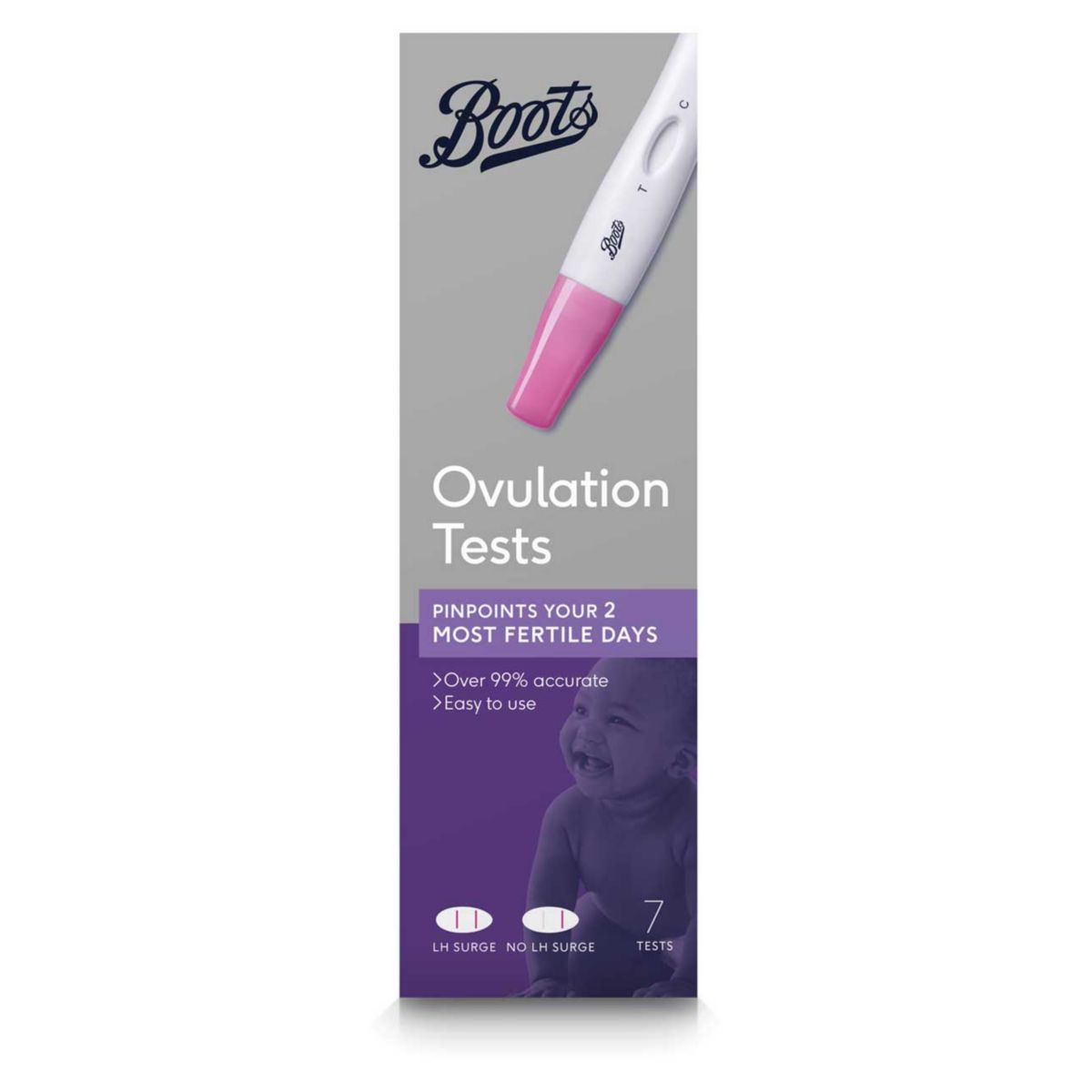
All ovulation tests measure the same hormone — luteinizing hormone (LH) — in your urine, and they all work on the same underlying principle: LH surges 24–36 hours before you ovulate, so catching that surge tells you your most fertile days are about to arrive. Where they differ is how they read that surge, how many hormones they track, and what that costs you per cycle.
Single-hormone vs dual-hormone tests
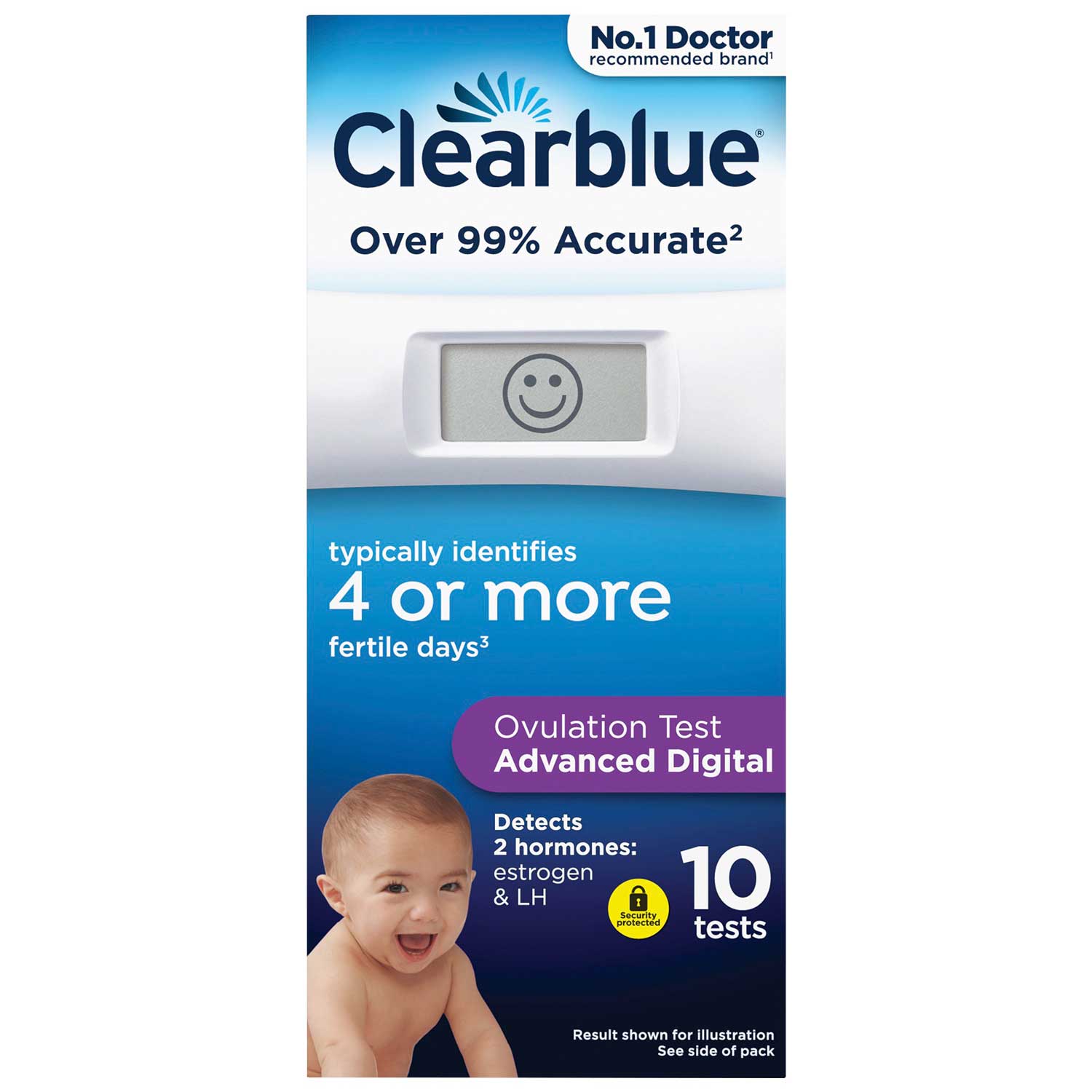
Most tests, strip or digital, track LH alone. A smaller group of premium digital tests (Clearblue's Advanced range is the best-known) track both LH and estrogen, which typically identifies a wider fertile window — often 2–3 extra "high fertility" days on top of the single "peak" day — rather than just the LH surge itself. That matters because sperm survive up to 5–7 days, so knowing the run-up to ovulation, not just the surge, gives you more chances to time things right.
Digital vs strip readouts
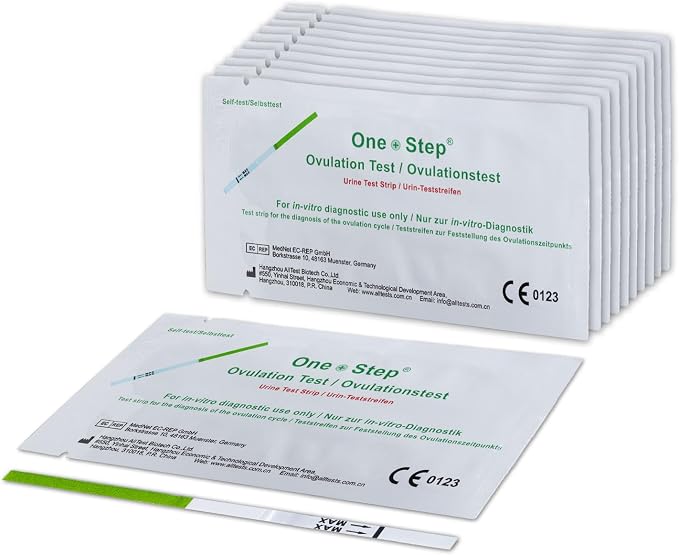
Digital tests give you a symbol (smiley face, "peak", or similar) instead of a line, removing the single biggest source of user error: squinting at two faint lines and guessing whether the test line is dark enough to count as positive. Strip tests are objectively cheaper per test — often a fraction of the cost — which matters if you're testing daily for a week or more each cycle, especially with irregular cycles where you can't narrow the testing window down.
What each type actually costs you over a cycle
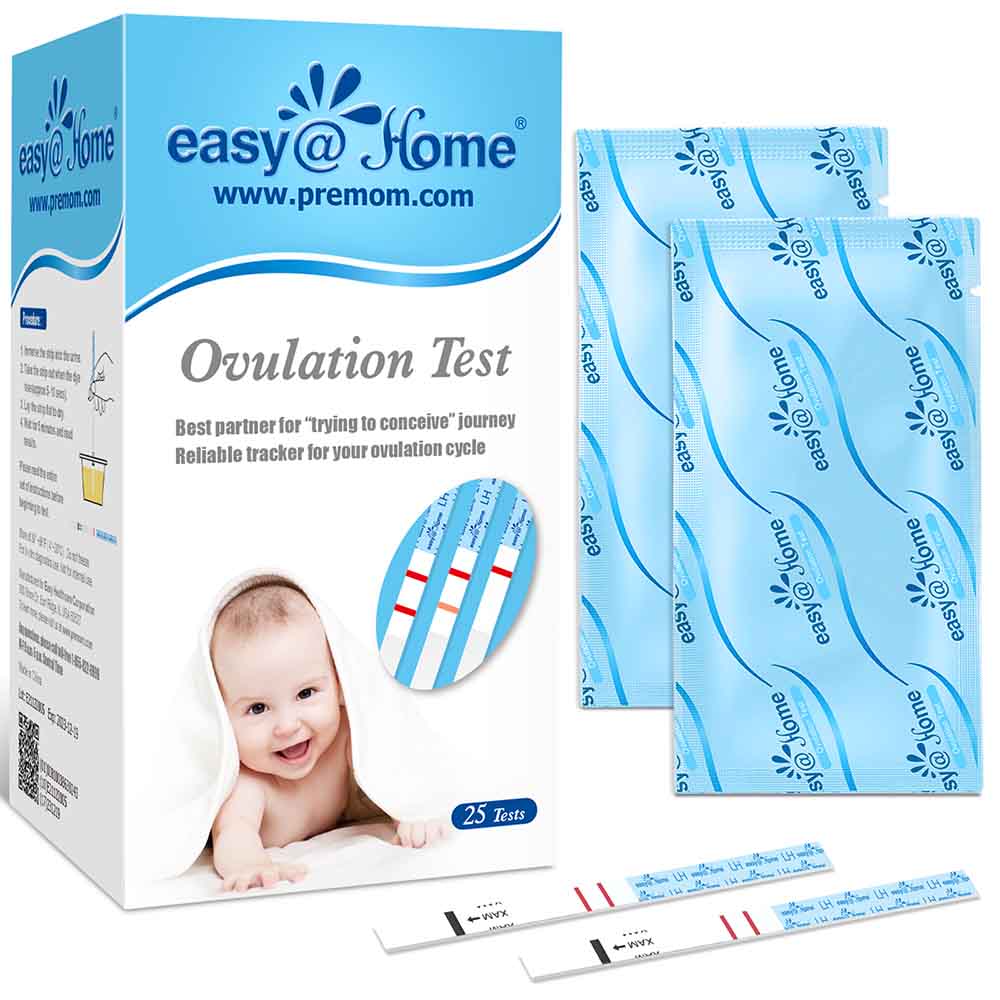
- Basic strips (e.g. Easy@Home 50-pack): pennies per test, ideal if you need to test for 7–10 days a cycle.
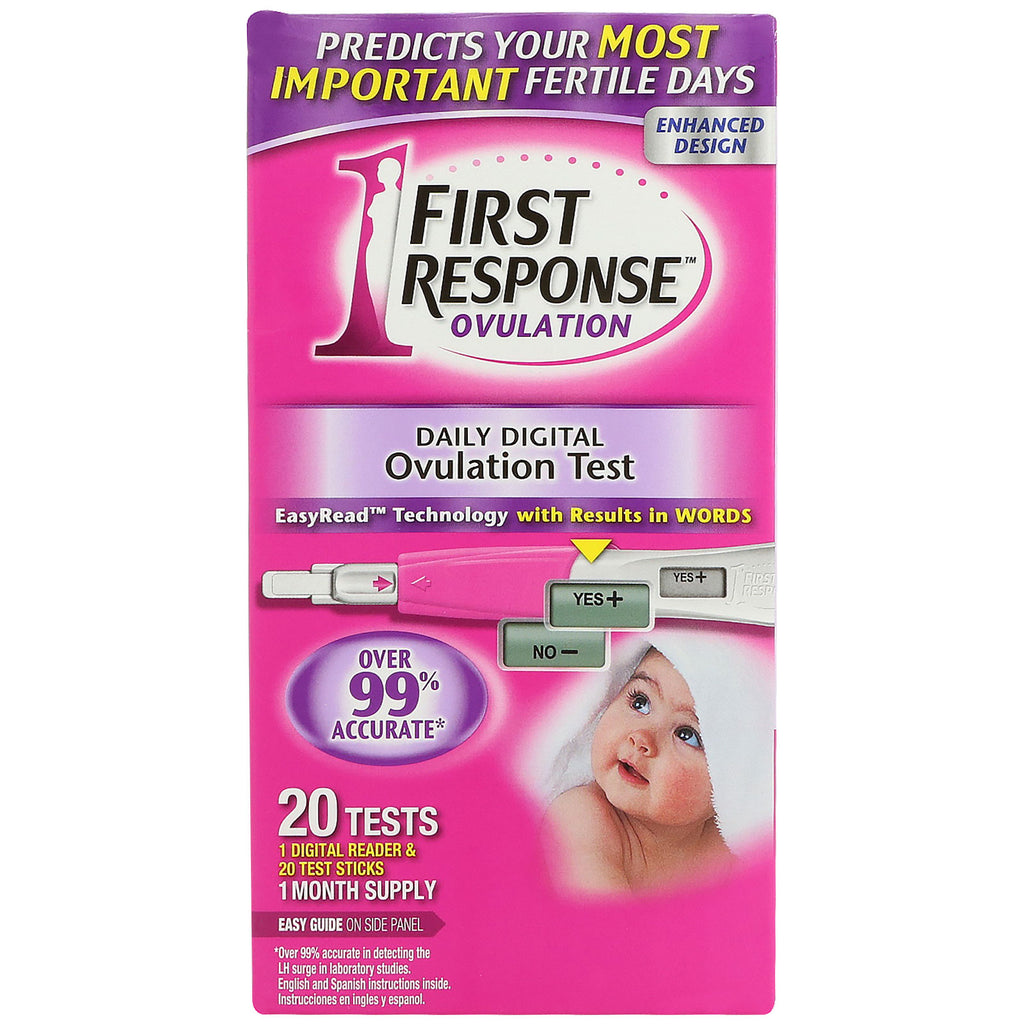
- Mid-range digital, single hormone (e.g. First Response Daily Digital): a clear yes/no readout at a moderate per-test cost, good middle ground.
- Premium dual-hormone digital (e.g. Clearblue Advanced): highest per-test cost, but identifies more fertile days per cycle, not just the LH peak.
Which one should you actually buy
If your cycles are regular and you just want a clear go/no-go signal, a mid-range digital LH test is the best balance of cost and confidence. If your cycles are long, irregular, or you're testing "just in case" for many days a month, strip tests keep the cost sane. If you want the fullest possible picture of your fertile window and cost isn't the deciding factor, a dual-hormone digital test gives you the most usable data.
One practical tip regardless of which you choose: test around the same time each day, avoid your first urine of the morning (LH builds up overnight and can give a misleadingly strong reading), and don't drink excessive fluids beforehand, which can dilute the hormone concentration and mask a genuine surge.
When ovulation tests won't help
If you have PCOS or another condition causing consistently elevated LH, ovulation tests can give confusing or persistently "positive" readings that don't reflect a genuine surge. If that sounds like you, a basal body thermometer or a GP conversation is often more useful than testing strip after strip.
Mentioned in this guide
Frequently asked questions
Do more expensive ovulation tests mean a better chance of conceiving?+
No — all LH tests detect the same hormone surge. A pricier test gives clearer readouts or more days of fertility data, not a higher chance of pregnancy itself. Timing intercourse around the fertile window is what matters, however you detect it.
Can I use ovulation tests alongside a fertility app?+
Yes, and many people find this the most reliable combination — the app helps predict roughly when to start testing, and the test confirms the surge in real time rather than relying on a prediction alone.
Why did my ovulation test stay positive for several days?+
Some LH tests remain positive for a couple of days as the surge rises and falls, which is normal. If it stays positive for a week or more consistently, that can indicate PCOS or another condition affecting baseline LH, and it's worth mentioning to a GP.
Sources

Written by
Sepehr
Software engineer, soon-to-be dad, uncle to four — the tech-obsessed half of the two of us testing this stuff. Currently building this site with my wife, ahead of our own baby arriving.