Breast Pump Buying Guide: Manual vs Electric vs Wearable
Manual, electric and wearable pumps each solve a different problem. Here's which fits your situation.

Breast pumps aren't a single category with a simple good-to-better-to-best hierarchy — a manual pump can genuinely be the right choice over an expensive wearable one, depending on how and how often you'll use it.
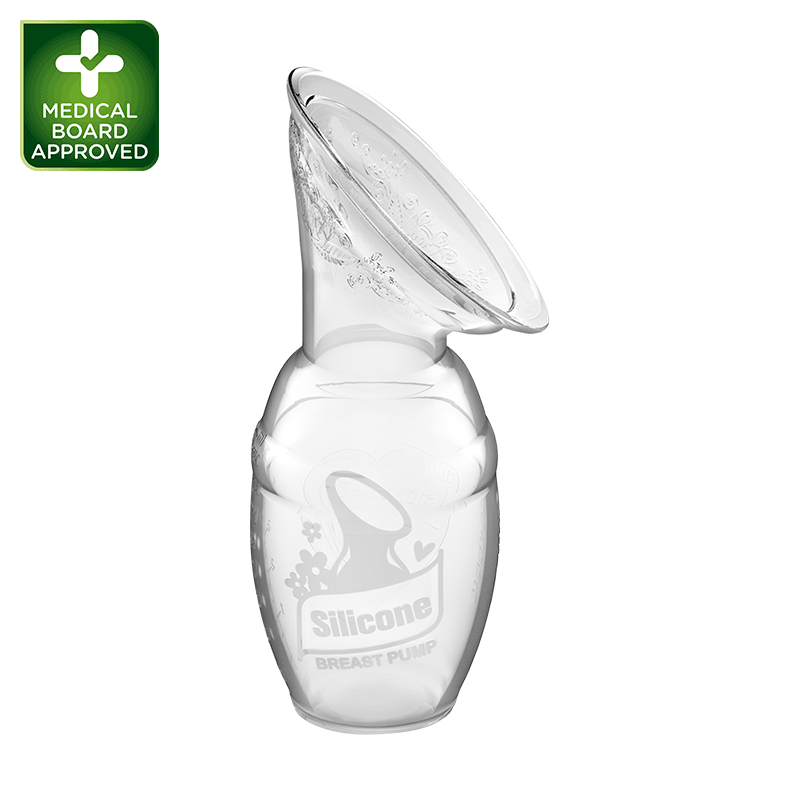
Manual pumps
Hand-operated (or, in the case of a silicone "catch" pump like the Haakaa, suction-based with no moving parts), these are the cheapest option by a wide margin and require no charging or power. Genuinely useful for occasional use — expressing a little extra milk, relieving engorgement, or catching letdown from the opposite breast while feeding — but tiring and impractical for full, regular sessions replacing a feed.
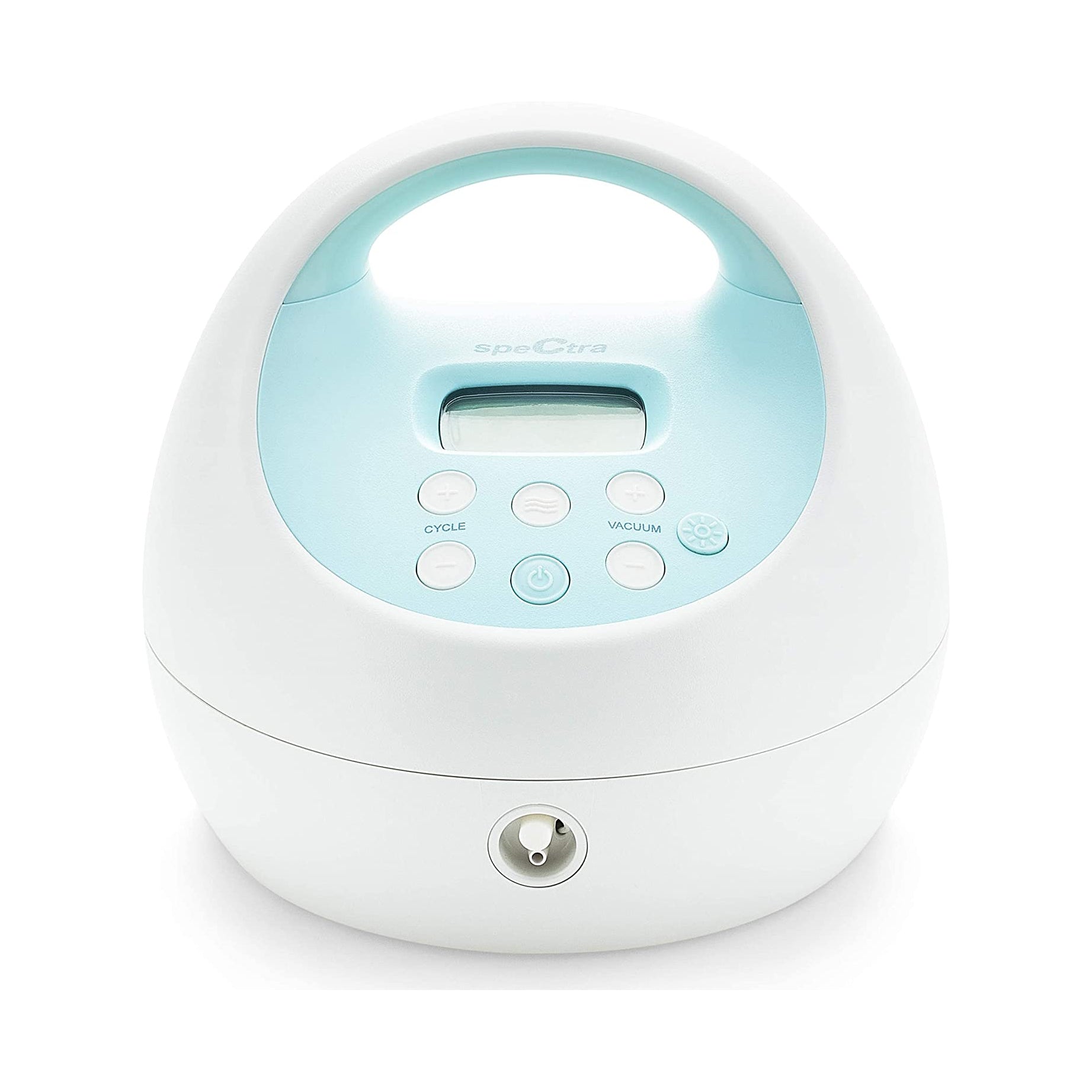
Electric pumps (single or double, corded/plugged into a base unit)
The standard choice for regular pumping — at work, for a partner to do a feed, or to build a stash. Double electric pumps (expressing both breasts simultaneously) cut pumping time roughly in half compared to single pumps and can help maintain supply more effectively, since they mimic a baby's natural double-sided stimulation more closely. The trade-off against wearables: you're tethered to the pump unit and need both hands free, or at least one, for the session.
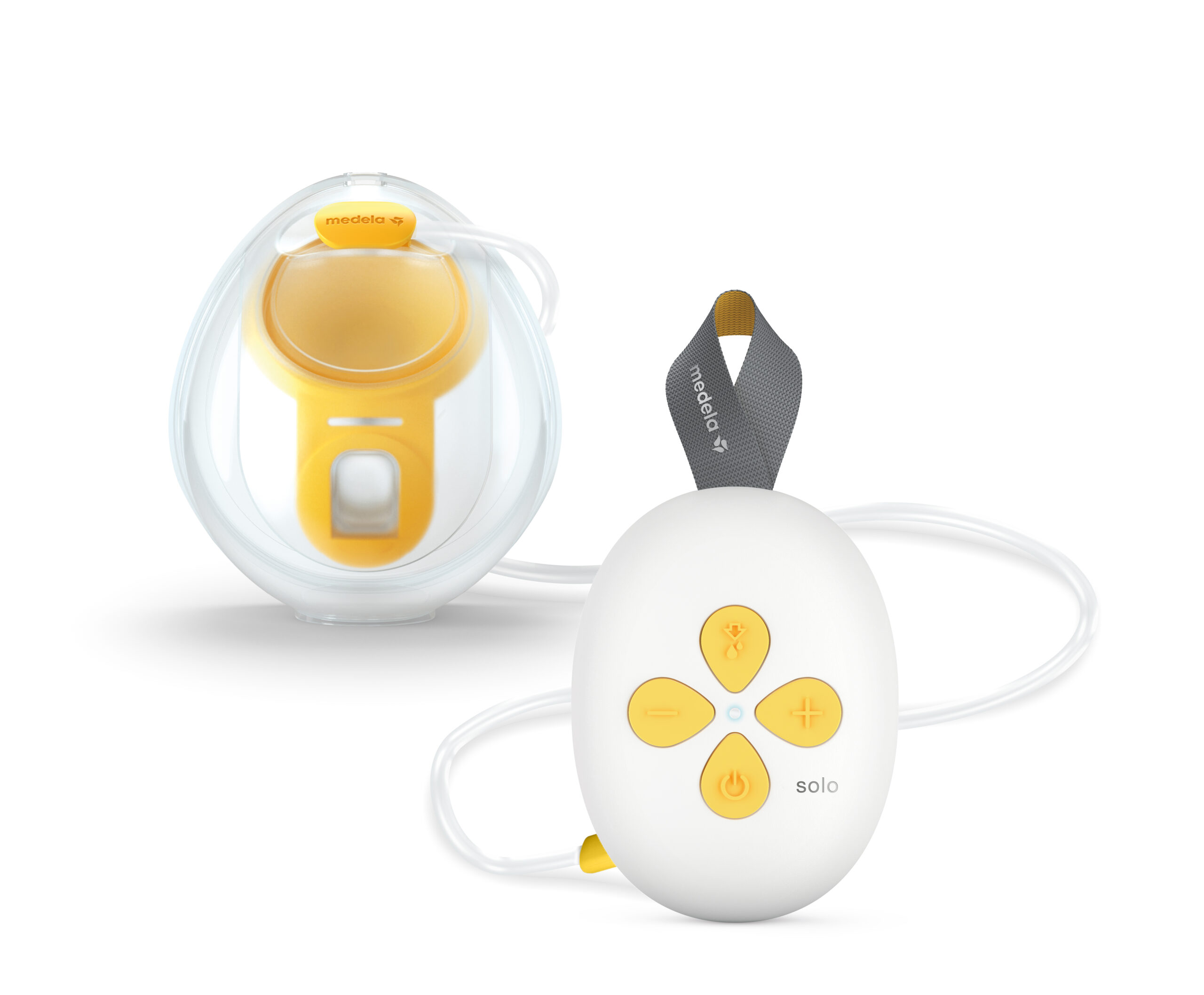
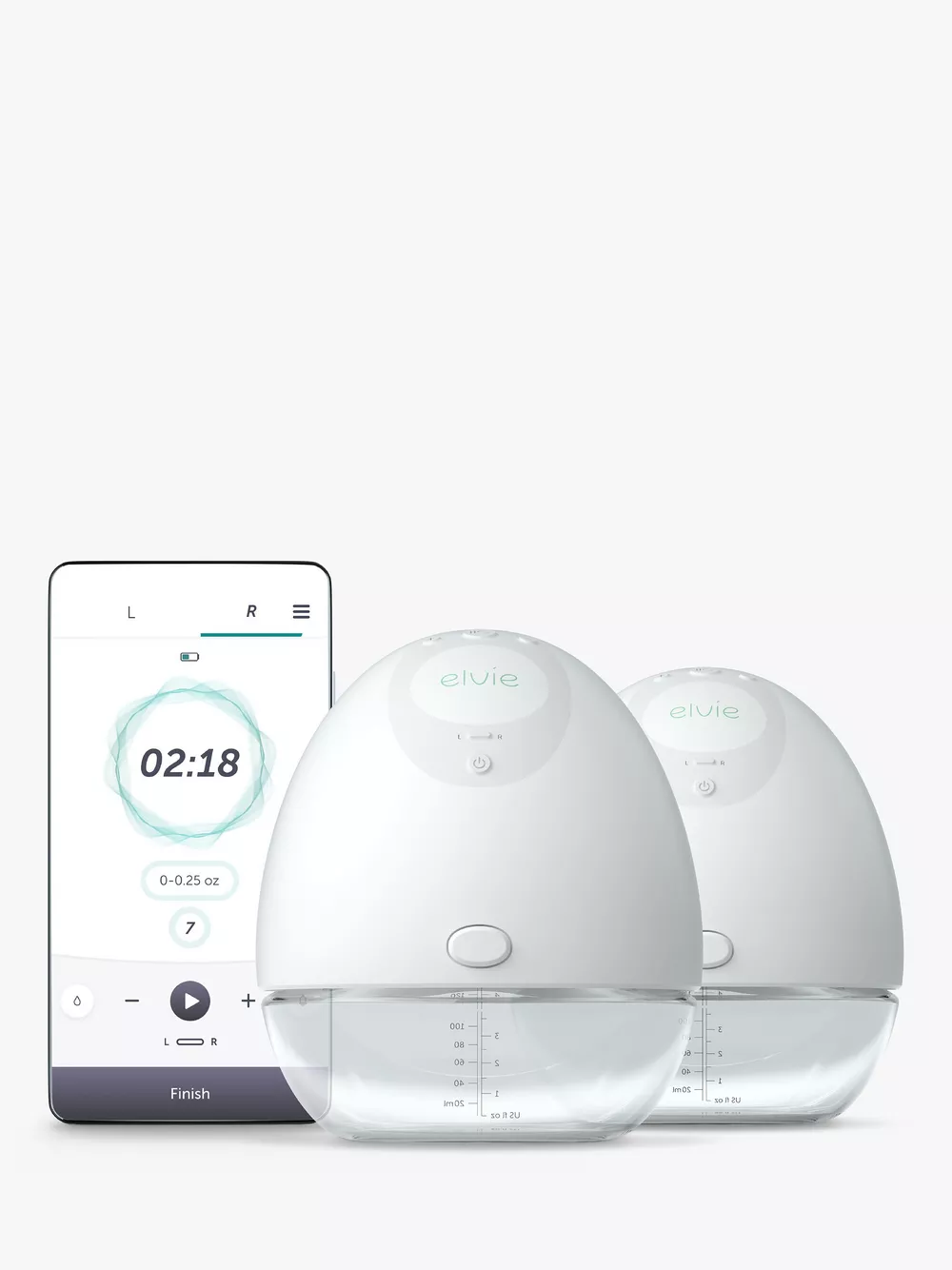
Wearable pumps
Fit inside your bra with no external tubing or base unit, letting you move around, work, or care for other children while pumping — genuinely transformative for some parents' daily logistics. The trade-offs are cost (significantly more than a corded electric pump), generally smaller collection capacity per session, and for some users, slightly less suction power than a dedicated hospital-grade or corded double pump.
How to actually decide
- Pumping occasionally, or as a backup: a manual or silicone catch pump covers this cheaply
- Returning to work, pumping daily at a desk or in a pump room: a double electric pump is the most cost-effective, reliable choice for volume and speed
- Need to pump on the move, with other children, or in situations without privacy for a corded pump: a wearable is worth the extra cost for the flexibility alone
- Budget-conscious but need real volume: check if your workplace or NHS trust has a pump loan or hire scheme before buying outright — hospital-grade rental pumps are often available
What matters regardless of type
Correct flange (breast shield) sizing affects both comfort and how much milk you actually express — an ill-fitting flange is a common, fixable reason pumping feels painful or inefficient, and most brands sell a range of flange sizes separately from the pump itself. It's worth checking this before assuming a pump itself is the problem.
Mentioned in this guide
Frequently asked questions
Is a wearable pump worth the extra cost over a corded electric pump?+
It depends on your situation — if you need to pump while moving around, working, or looking after other children, the hands-free flexibility is often worth the premium. For pumping at a desk or at home, a corded double electric pump is usually more cost-effective for the same or better suction.
Can I use a manual pump for full daily pumping sessions?+
It's possible but tiring and time-consuming compared to an electric pump, so manual pumps suit occasional or supplementary use better than a full daily pumping routine.
What if pumping is painful?+
Pain often points to an incorrectly sized flange (breast shield) rather than a fault with the pump itself — most brands sell a range of flange sizes, and checking this first is worth doing before assuming the pump is unsuitable.
Sources

Written by
Sepehr
Software engineer, soon-to-be dad, uncle to four — the tech-obsessed half of the two of us testing this stuff. Currently building this site with my wife, ahead of our own baby arriving.