Breastfeeding vs Formula Feeding: The Honest Basics
This isn't a competition with one right answer. Here's what actually differs in practice, so you can make the choice that fits your circumstances.
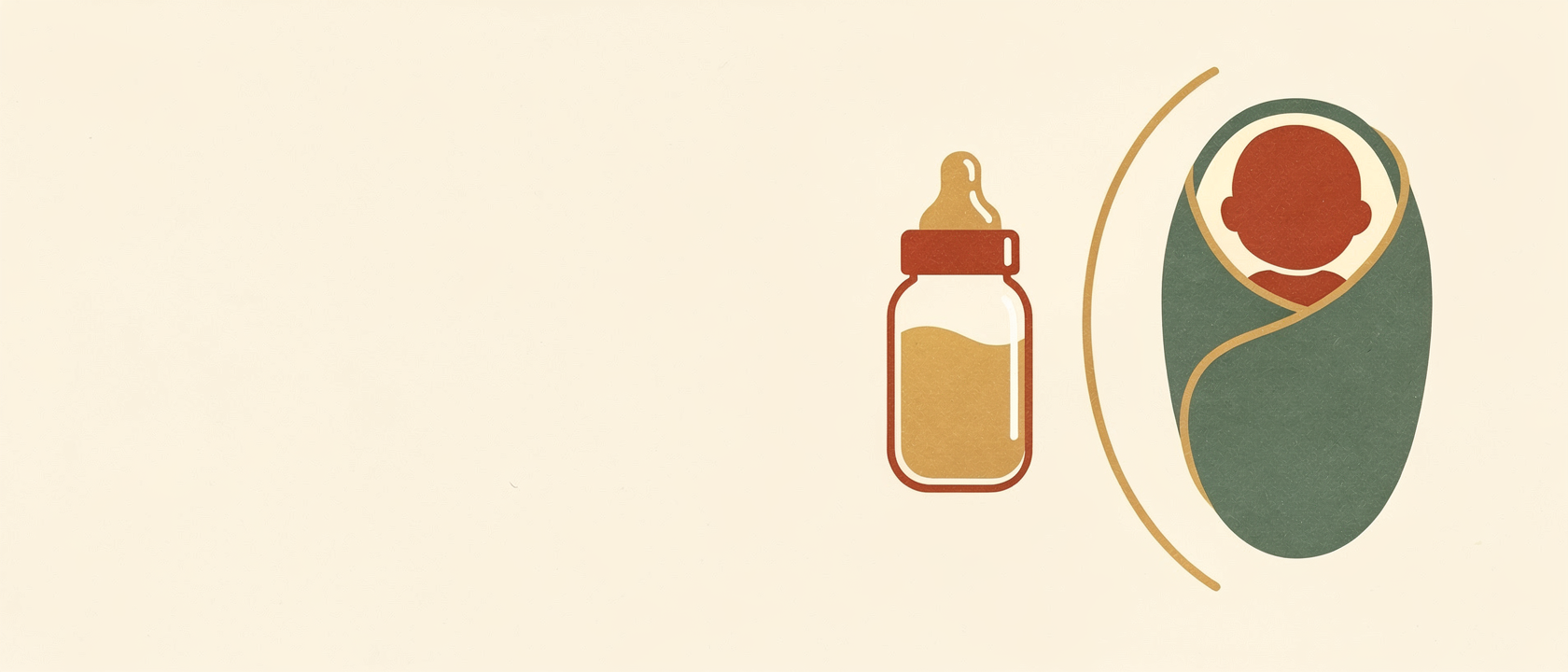
Feeding your baby is one of the most opinion-heavy topics in early parenthood, which makes the practical facts easy to lose. Here's the NHS position, stripped of judgement: breast milk is recommended as the best source of nutrition for babies, and exclusive breastfeeding is recommended for around the first 6 months, but formula feeding is a safe, nutritionally complete alternative, and many families combination feed.
What breastfeeding offers
Breast milk adapts in composition to your baby's changing needs and contains antibodies that formula can't replicate, which is linked to lower rates of infections, particularly in the first months. It's also free of ongoing cost, always at the right temperature, and always available. The trade-offs are real too: it can take time to establish (soreness, latch difficulty, and low supply worries are extremely common in the first weeks and usually resolve with support), and only the breastfeeding parent can feed at 3am unless milk is expressed in advance.
What formula feeding offers
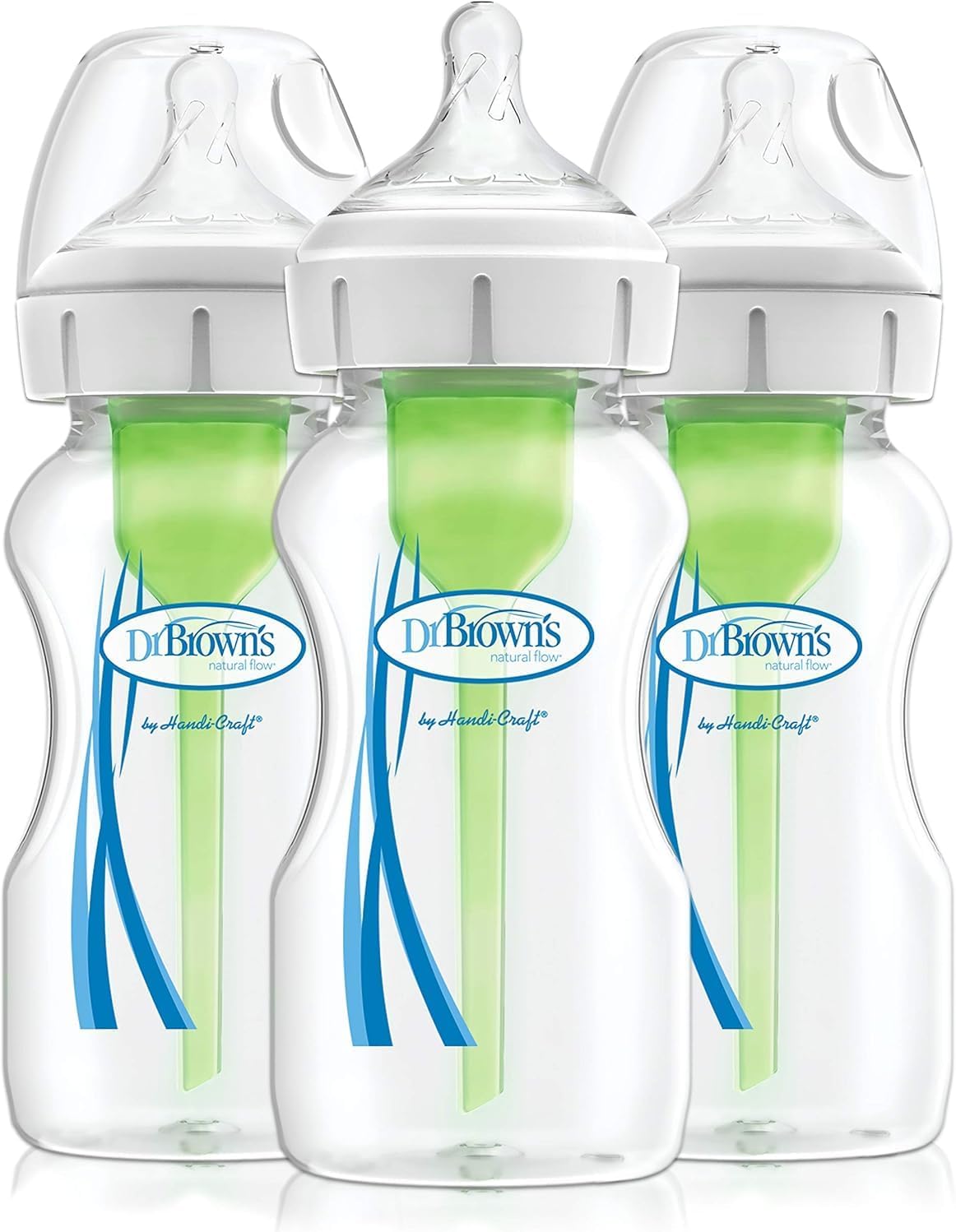
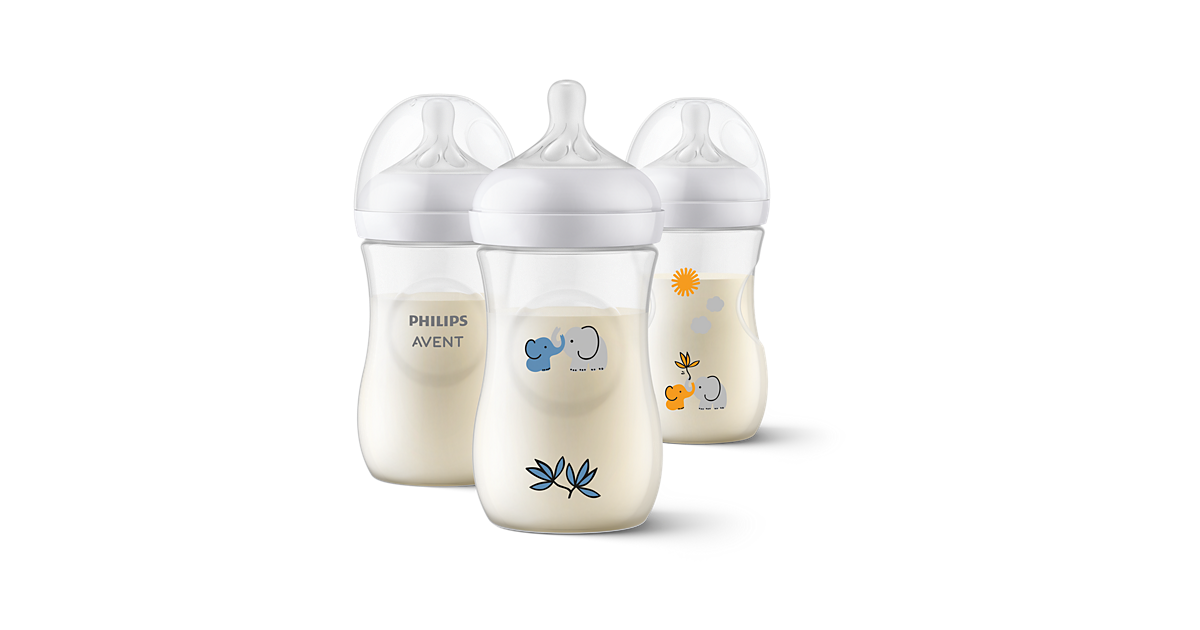
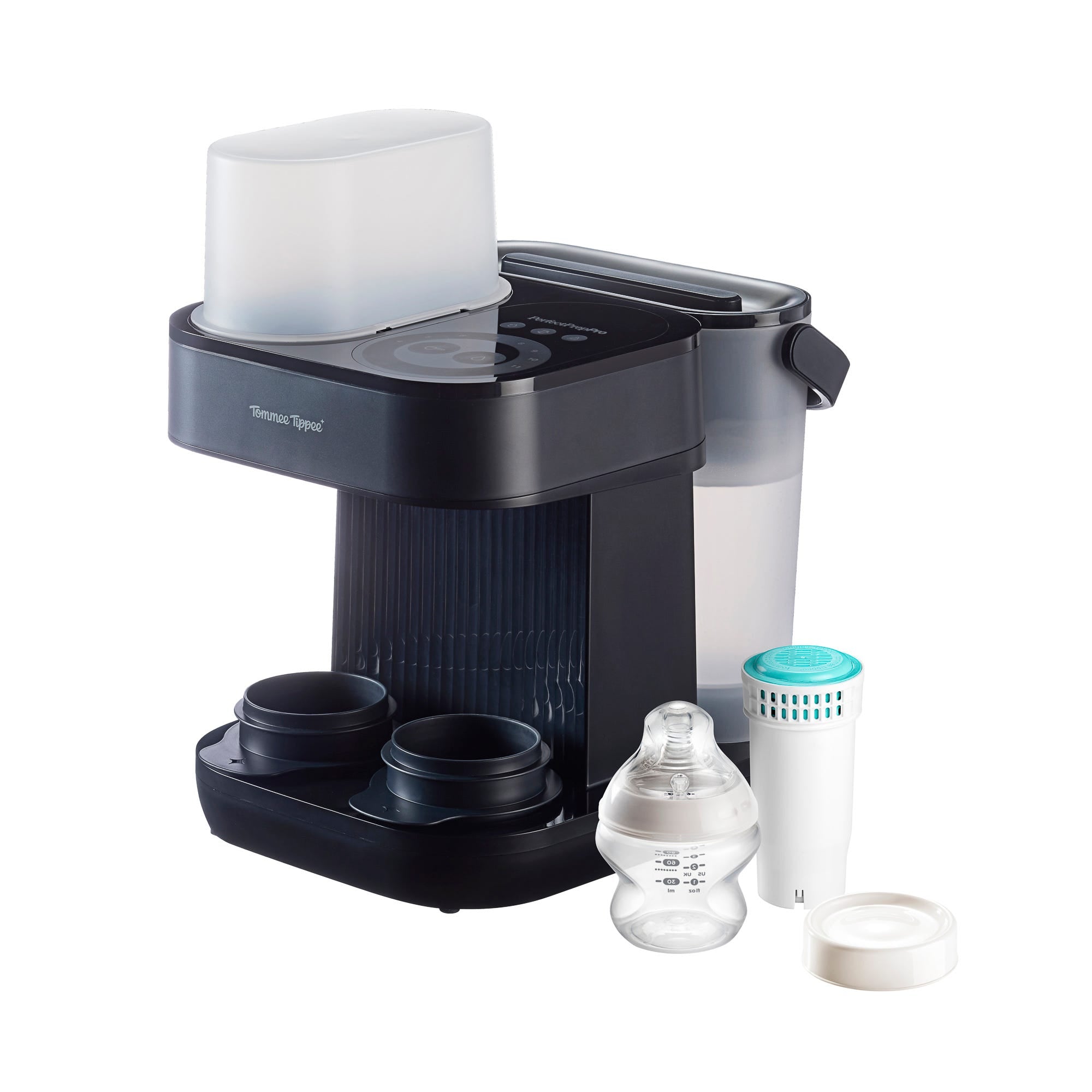
Modern infant formula is tightly regulated and nutritionally complete, designed to closely match breast milk's nutrient profile. It lets any caregiver take a feed, makes intake easy to measure exactly, and removes any physical strain of breastfeeding on the parent. The trade-offs: ongoing cost, the need to sterilise equipment and prepare feeds correctly (using cooled boiled water, following exact ratios), and formula-fed babies don't get the same antibody transfer.
Combination feeding is a genuinely valid middle ground
Mixing breast and formula feeding, at whatever ratio works for your family, is common and supported by the NHS — it's not an all-or-nothing decision. If you're combination feeding, introducing a bottle (of expressed milk or formula) around 4–6 weeks tends to go more smoothly than earlier or much later, once breastfeeding is well established but before any bottle-refusal window some babies go through.
What actually matters most
The evidence is consistently clear that a fed, healthy baby and a supported, well parent matters more than which method got you there. If breastfeeding isn't working for your family — medically, practically, or for your mental health — formula is a genuinely safe choice, not a fallback to feel guilty about.
Getting support
Whichever way you're feeding, early support makes the biggest difference to how smoothly it goes. Midwives and health visitors can help with latch problems, supply worries, and formula preparation technique — ask early rather than struggling through the first weeks alone, since small technique adjustments often solve problems that feel much bigger than they are.
Mentioned in this guide
Frequently asked questions
Can I switch from breastfeeding to formula at any point?+
Yes. Gradual transition (dropping one feed at a time over a week or two) is usually more comfortable for both you and your baby than switching all at once.
Does formula-fed mean less bonding?+
No — bonding comes from closeness, eye contact and responsiveness during feeds, all of which happen just as much with a bottle.
How do I know my baby is getting enough milk?+
Steady weight gain, 6+ wet nappies a day after the first week, and settled behaviour between feeds are the main signs. Your health visitor will track weight at routine checks.
Sources

Written by
Sepehr
Software engineer, soon-to-be dad, uncle to four — the tech-obsessed half of the two of us testing this stuff. Currently building this site with my wife, ahead of our own baby arriving.