Building a Baby First Aid Kit: What You Actually Need
Generic first aid kits miss a few baby-specific essentials. Here's what to actually stock.
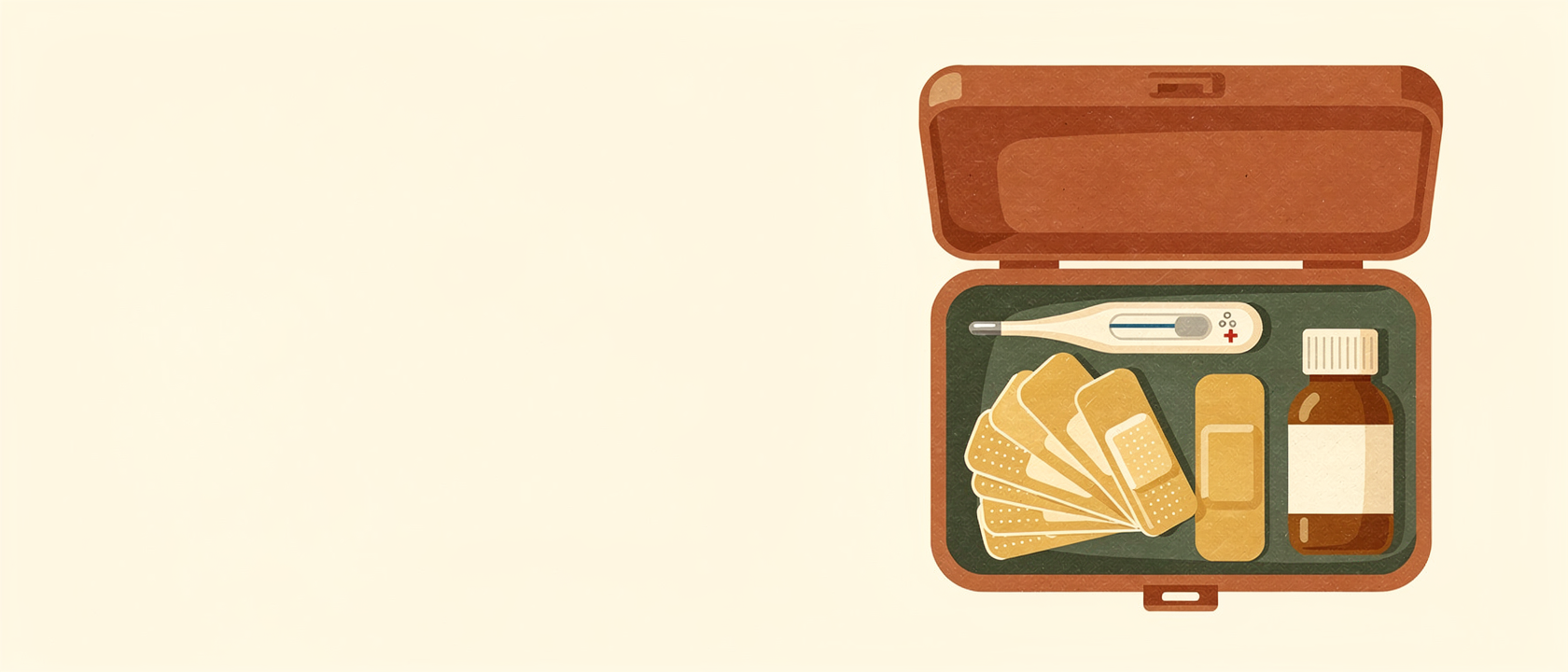
Most "first aid kit" advice is written for adults and then lightly rebranded for babies. A few items matter specifically because of your baby's age, size and the way they get hurt or unwell — here's a practical list built around that.
Temperature and medicine
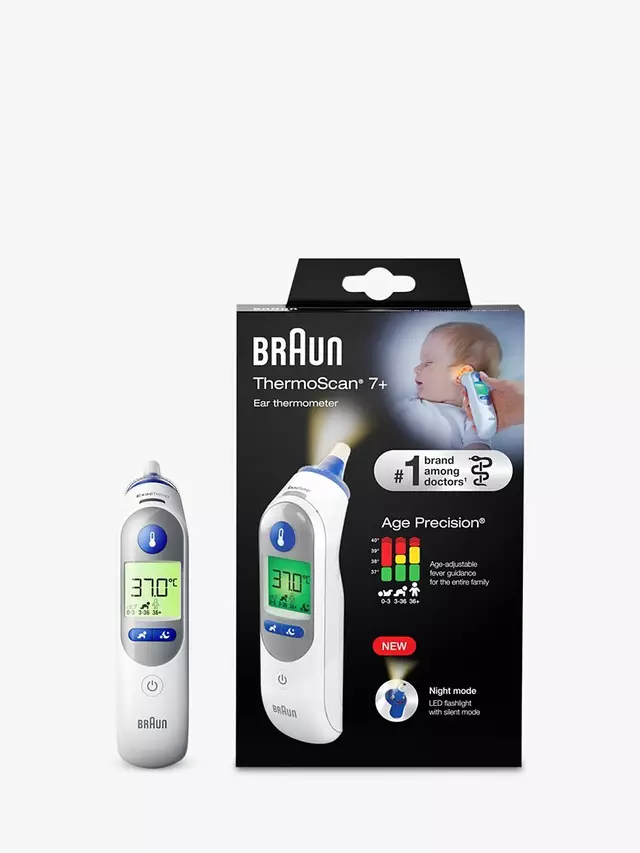
- A reliable digital or ear thermometer — accuracy matters more than speed. Underarm digital thermometers are simple and safe for newborns; ear thermometers are quick but slightly less accurate in very young babies whose ear canals are still small.
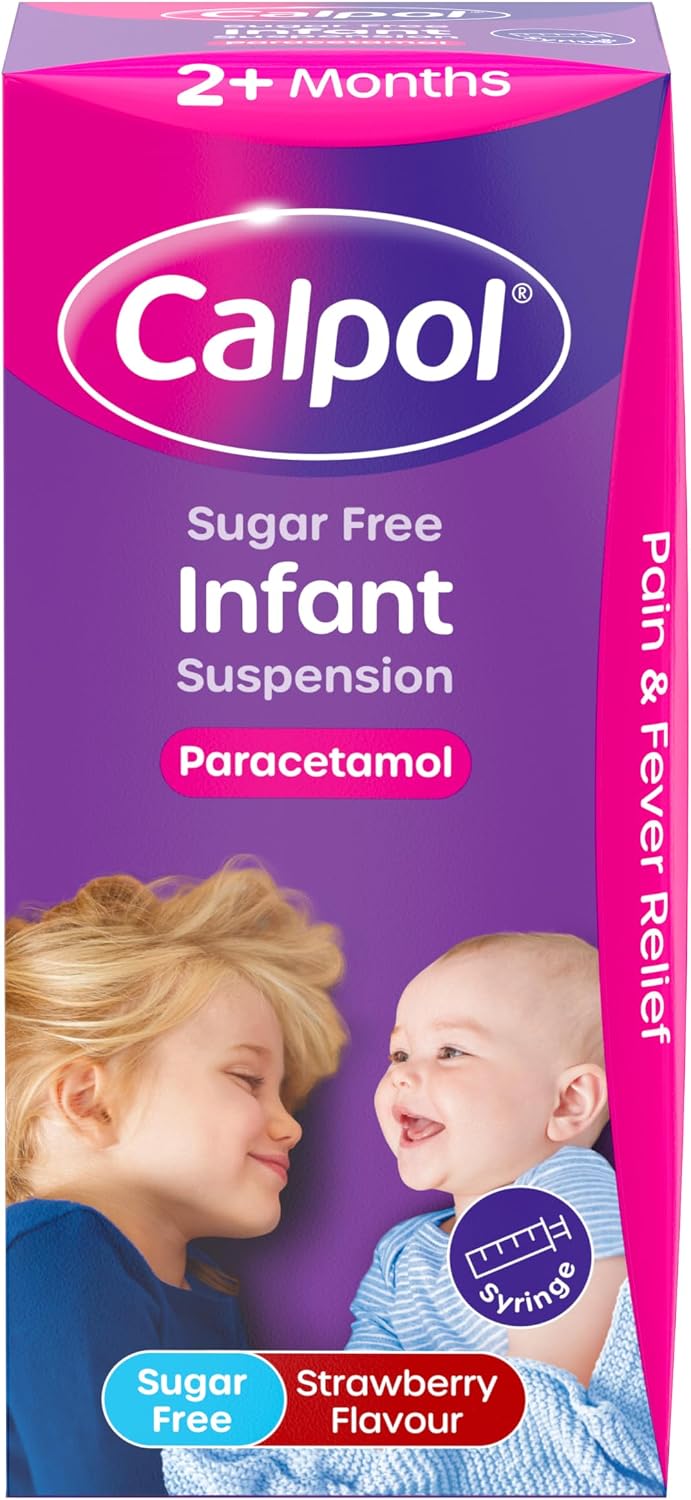
- Infant paracetamol and/or ibuprofen, checked for correct age range on the packet — most infant paracetamol is suitable from 2 months (for post-vaccination fever specifically, under GP or health visitor guidance) or 3 months generally; ibuprofen is usually from 3 months and 5kg+. Always check the specific product.
- An oral syringe or medicine spoon — usually included with the medicine, but worth having a spare, since accurately dosing a wriggling baby is hard with a regular spoon.
Minor injuries
- Plasters in a range of small sizes, plus a few "no sting" antiseptic wipes
- A small pack of sterile gauze and micropore tape for anything a plaster won't cover
- Round-ended safety scissors
- Tweezers with a magnifying attachment, genuinely useful for splinters
Baby-specific additions generic kits miss
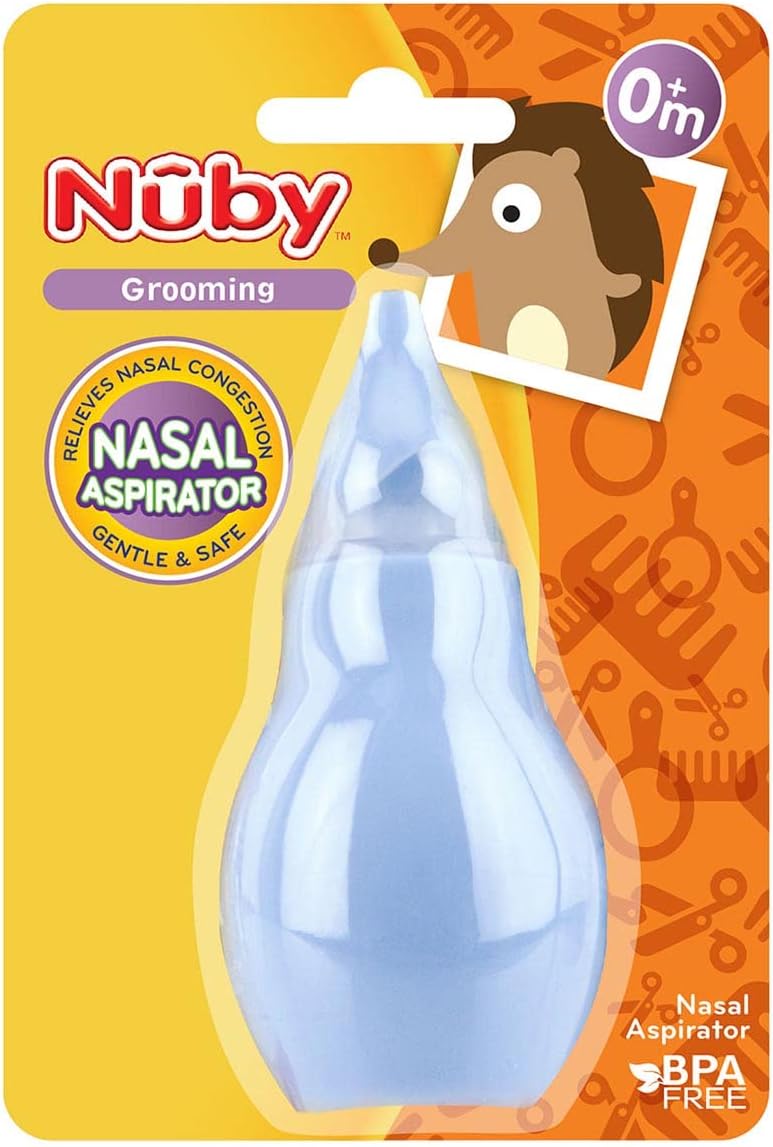
- A nasal aspirator. Babies can't blow their nose, and a blocked nose genuinely disrupts feeding and sleep — an aspirator clears it far more effectively than saline drops alone.
- Saline nasal drops, to loosen mucus before using the aspirator.
- A soothing balm for cradle cap or dry patches, and one for nappy rash.
What to know, not just what to buy
Equipment matters less than knowing what to do with it. The NHS and St John Ambulance both offer free guidance on infant CPR and choking first aid — this is genuinely worth 20 minutes of reading or a short local course, since the actions for a choking baby differ meaningfully from an adult (back blows and chest thrusts rather than abdominal thrusts, for instance).
When to skip the kit and call 999
A first aid kit is for minor injuries and everyday illness. Call 999 or go to A&E for: difficulty breathing, a blue tinge to lips or skin, a seizure, a rash that doesn't fade under a glass (the "glass test"), unresponsiveness, or a temperature over 38°C in a baby under 3 months old, which the NHS treats as an emergency regardless of other symptoms.
Mentioned in this guide
Frequently asked questions
What temperature counts as a fever in a baby?+
38°C (100.4°F) or above is generally considered a fever. For babies under 3 months, any temperature of 38°C or higher needs urgent medical attention, per NHS guidance.
Can I give infant paracetamol and ibuprofen together?+
Speak to a pharmacist or GP before combining them — they can sometimes be alternated, but dosing needs to be managed carefully for your baby's specific age and weight.
Is an ear thermometer accurate for newborns?+
Underarm digital thermometers are generally recommended as more reliable for newborns and very young babies, since their ear canals are still small and can affect ear thermometer accuracy.
Sources

Written by
Sepehr
Software engineer, soon-to-be dad, uncle to four — the tech-obsessed half of the two of us testing this stuff. Currently building this site with my wife, ahead of our own baby arriving.