How to Build a Maternity Wardrobe Without Overbuying
Most maternity wardrobe advice sells you far more than you need. Here’s a genuinely minimal capsule that still covers work, comfort and the postpartum weeks.
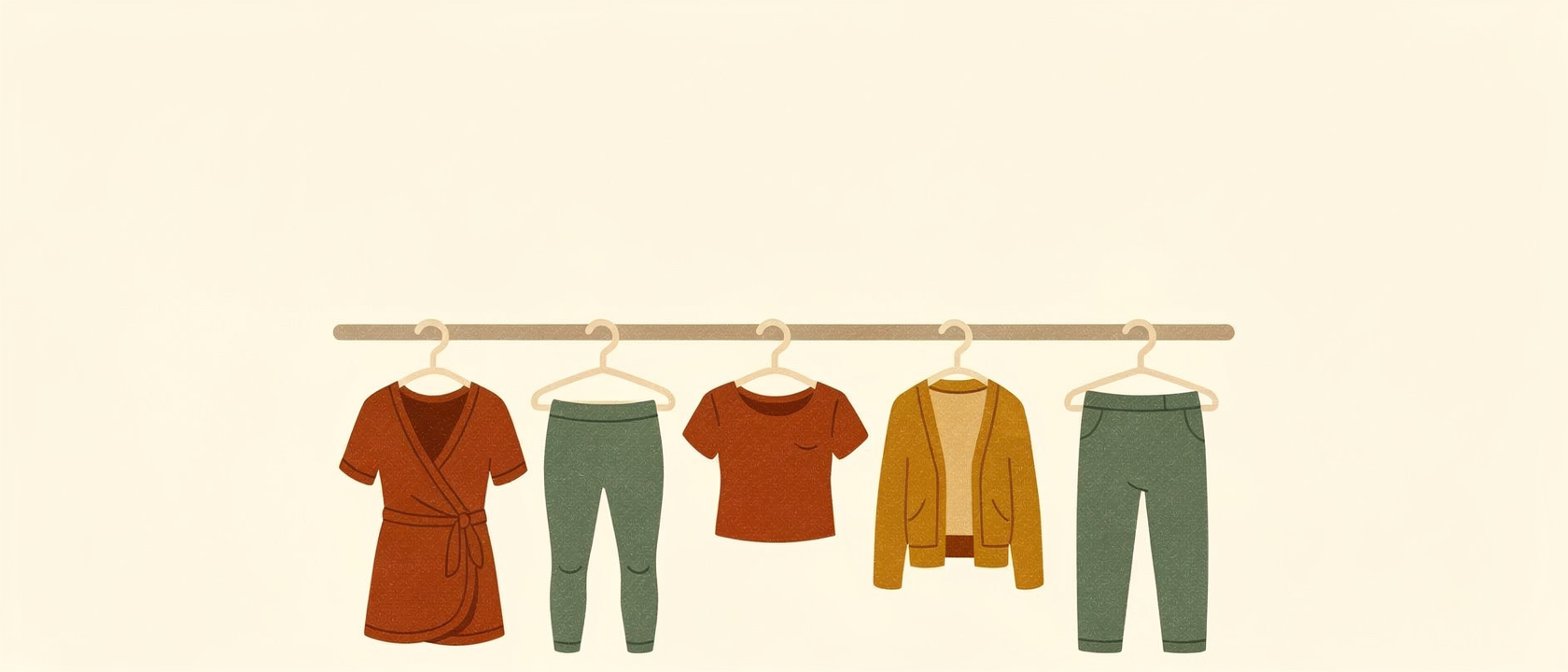
You'll likely wear maternity clothing for around 5–6 months, and then some of it again postpartum if you choose nursing-friendly pieces. That short window is exactly why overbuying is such an easy trap — and exactly why a small, well-chosen capsule works better than a full new wardrobe.
Start with what still fits
Loose, stretchy non-maternity clothes — oversized jumpers, jersey dresses, leggings with a stretch waistband — often work well into the second trimester and sometimes beyond, especially on top. Maternity-specific pieces earn their place for the areas that genuinely need extra room: waistbands, and later, bust and length.
The core capsule
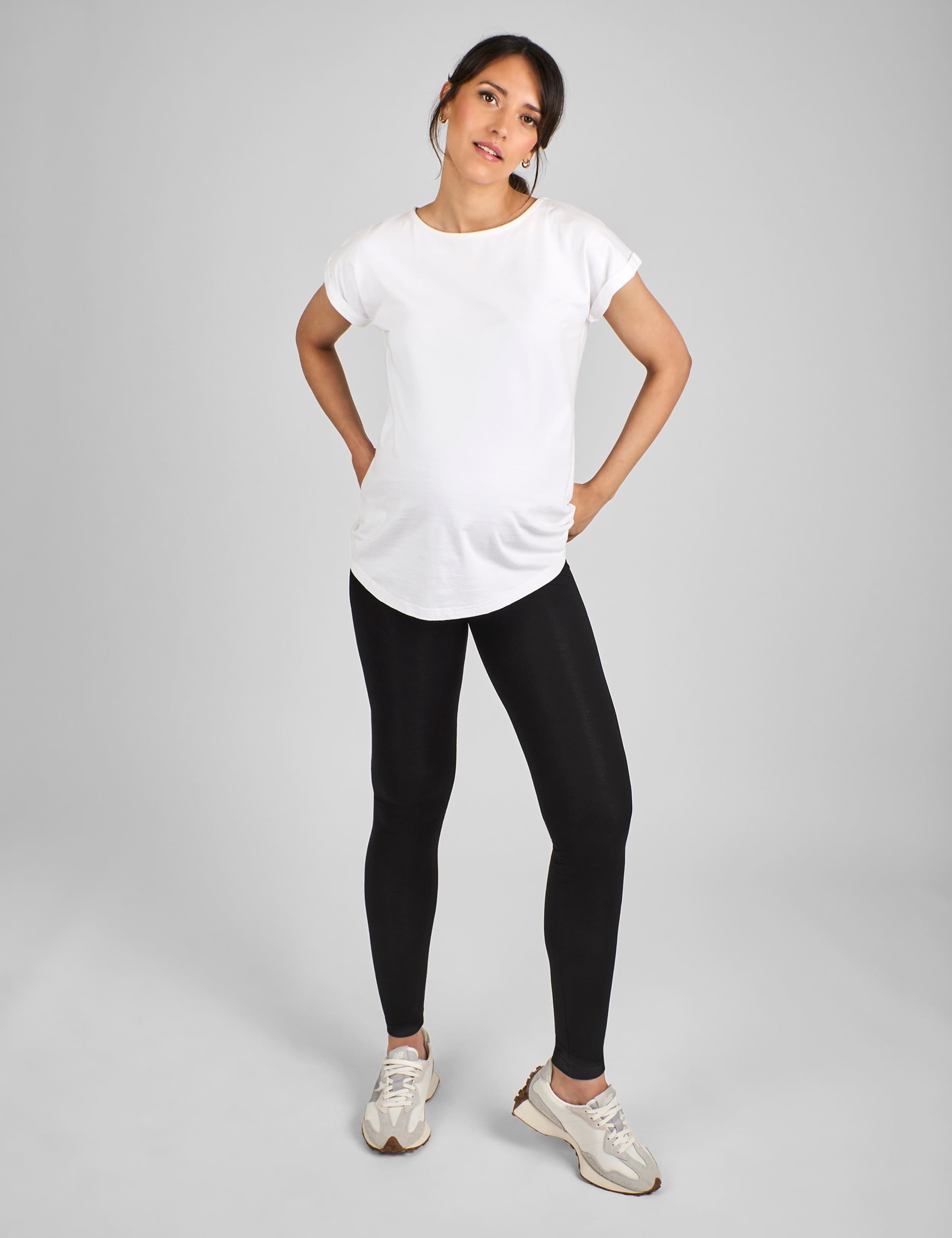
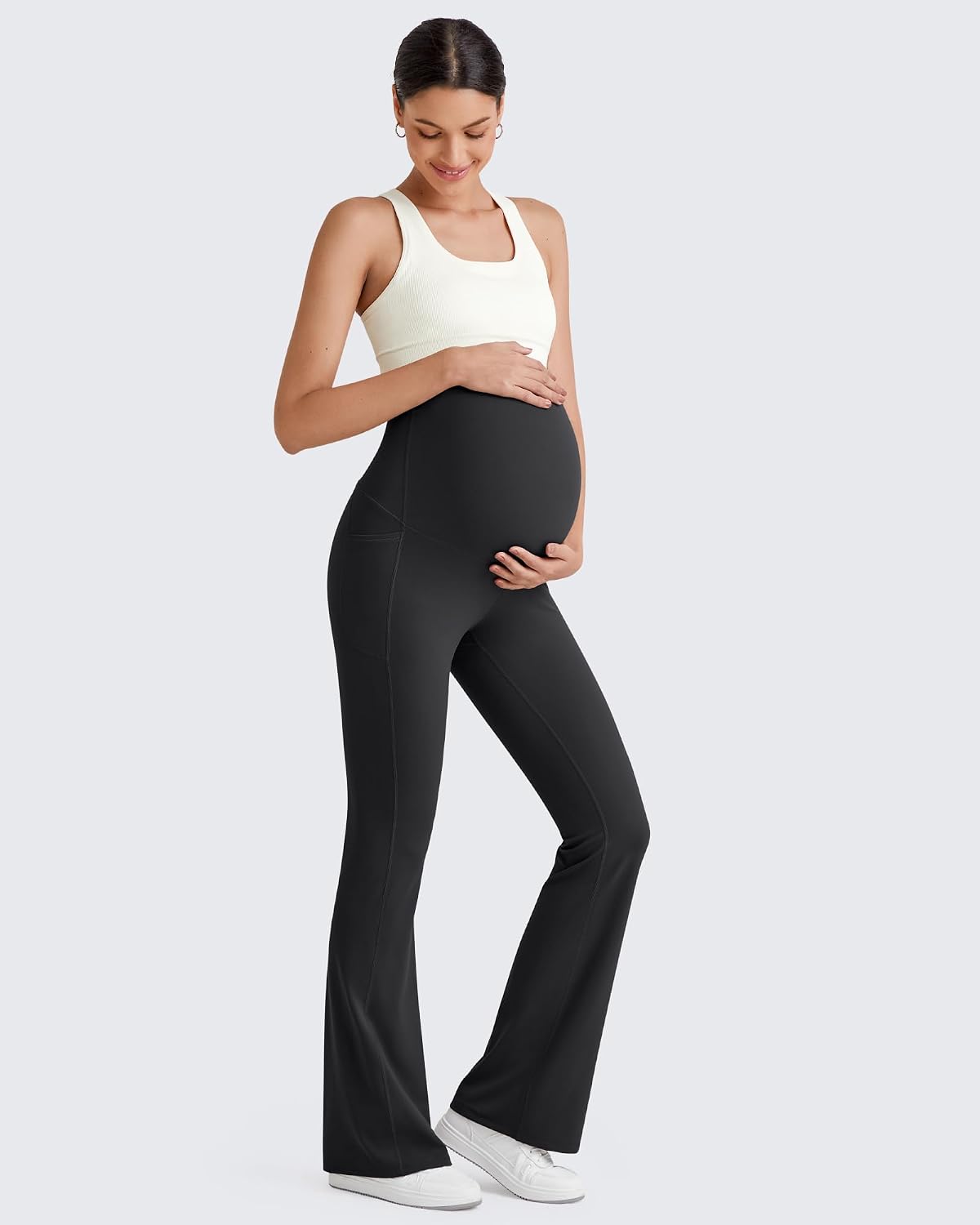
- 2–3 pairs of maternity leggings or jeans with an over-bump or under-bump band, depending on preference — over-bump gives more support later on, under-bump pairs better with looser tops.
- 1–2 wrap or jersey dresses in a nursing-friendly cut if you plan to breastfeed — they double as smart-enough-for-most-occasions and comfortable-enough-for-every-day.
- 2–3 nursing-compatible tops, ideally in fabric you'd wear regardless of pregnancy, so they don't read as "maternity" and get more wear after.
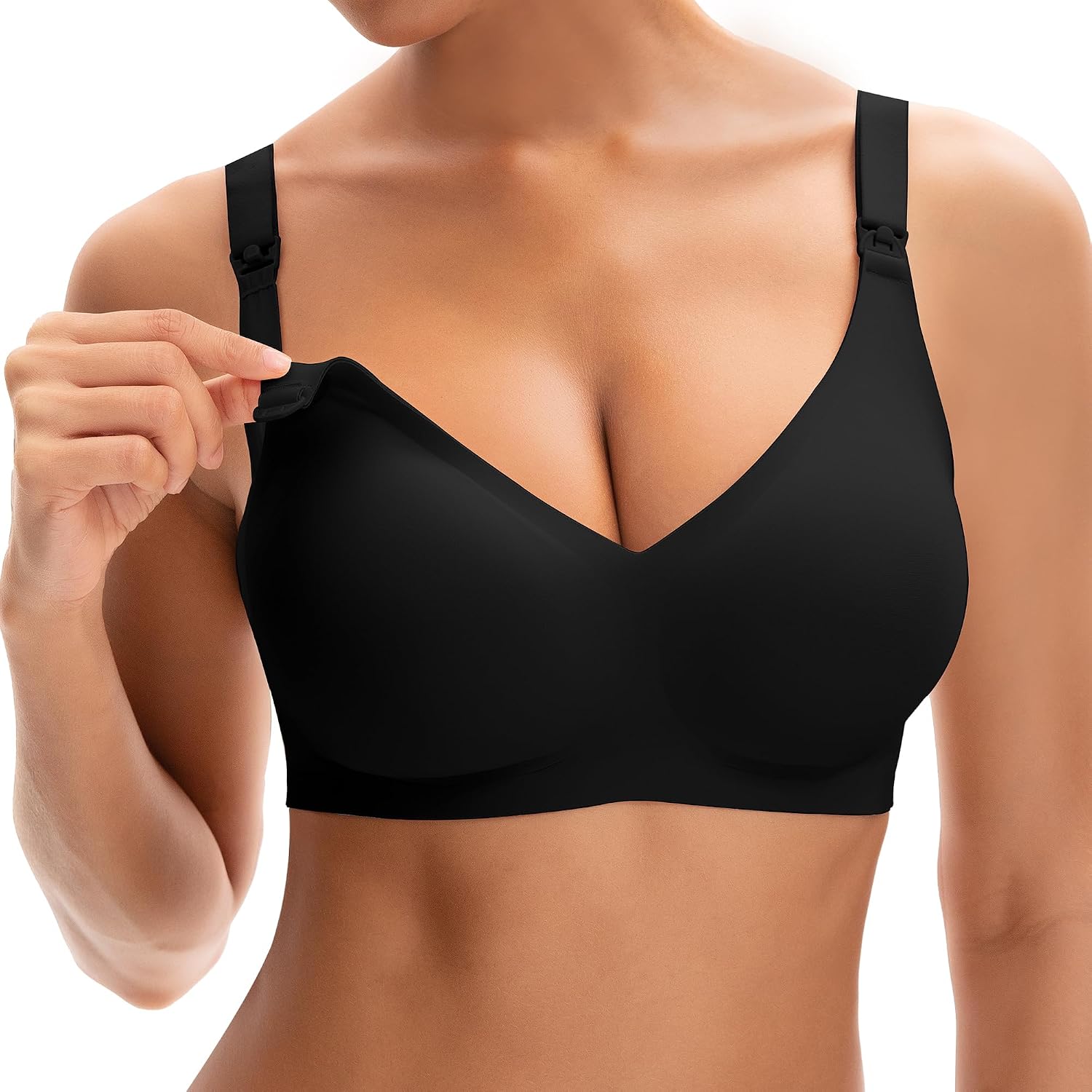
- 1 supportive maternity bra, sized properly (band size can drop while cup size grows, so don't assume your pre-pregnancy size still applies) — more on choosing these separately.
- Outerwear you already own, worn open, or one maternity coat if you're due in winter and your usual coat genuinely won't zip.
What to skip
Maternity-specific underwear beyond what's comfortable, maternity-branded loungewear (normal oversized loungewear works fine), and anything you're buying "just in case" for a single event. If you need something specific and occasional — a wedding, a formal work event — renting or borrowing is usually more sensible than buying for one wear.
Buy for where you are, not where you’ll be
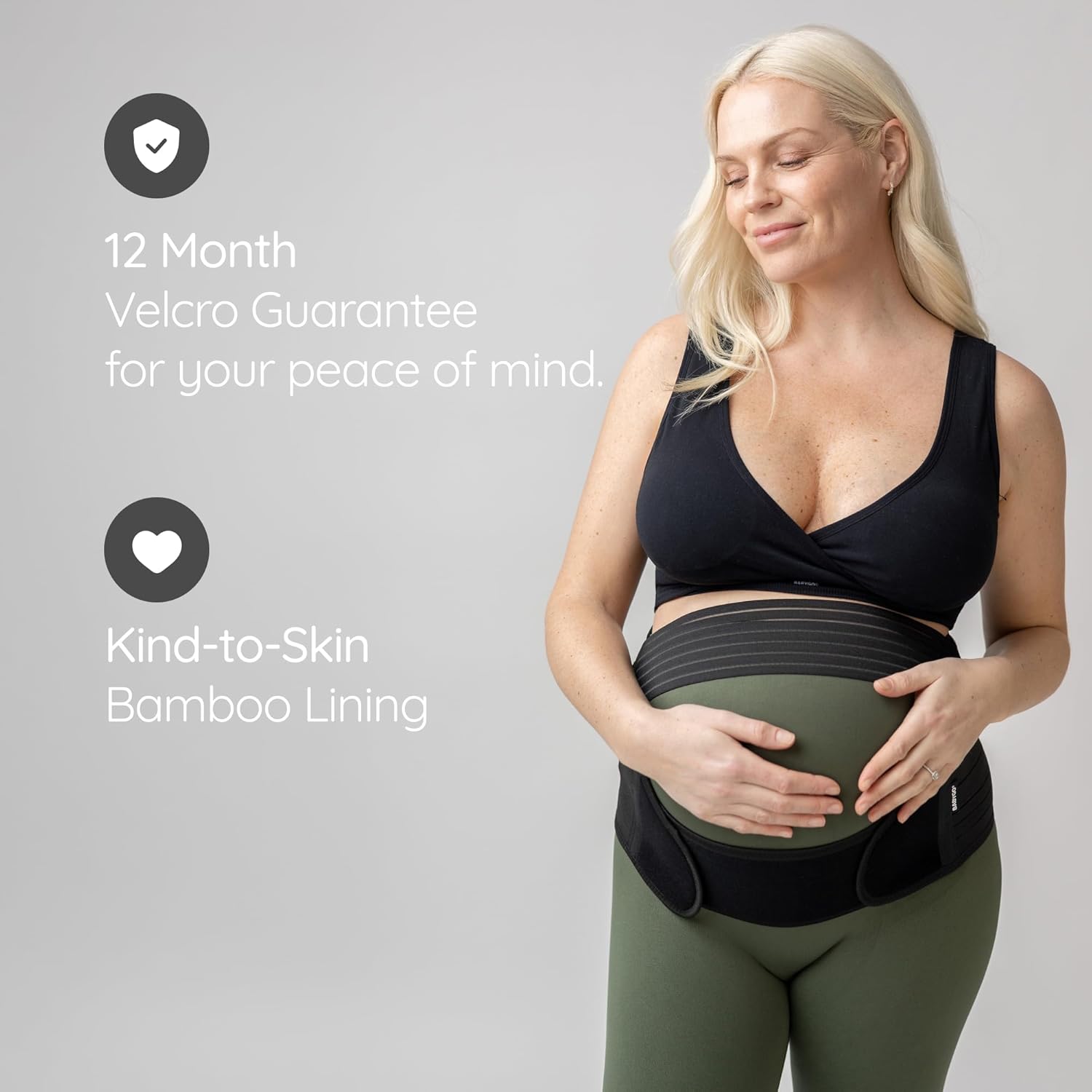
A common mistake is buying everything at 14 weeks sized for a 38-week bump "to be safe." Stretch fabric and adjustable bands cover more growth than people expect; buying in stages as things stop fitting wastes less money overall than guessing sizes months ahead.
Thinking beyond the birth
If you're planning to breastfeed, prioritising nursing-friendly cuts (wrap styles, discreet nursing panels, button-through) in your capsule means several pieces keep earning their cost for months after the birth, rather than being retired the day you deliver.
Mentioned in this guide
Frequently asked questions
When should I start buying maternity clothes?+
Most people start needing maternity-specific bottoms around 12–16 weeks, sometimes later for a first pregnancy. There is no need to buy anything before your current clothes actually stop being comfortable.
Are maternity jeans worth the extra cost over leggings with a stretch band?+
If you need to look smart for work regularly, yes — the denim look with a hidden stretch panel covers more occasions than leggings. If comfort at home is the priority, leggings are cheaper and just as functional.
Can I wear normal bras through pregnancy?+
Underwired bras aren’t recommended once your bust starts changing size, as the wire can dig in and restrict changing breast tissue. A properly fitted maternity or soft-cup bra is worth the investment even if the rest of your wardrobe stays non-maternity.
Sources

Written by
Sepehr
Software engineer, soon-to-be dad, uncle to four — the tech-obsessed half of the two of us testing this stuff. Currently building this site with my wife, ahead of our own baby arriving.