How to Choose a Pregnancy Multivitamin (Not Just Which Brand)
Most pregnancy multivitamin marketing focuses on the brand. The nutrients that actually matter are a much shorter, more specific list. Here's what to check.

Pregnancy multivitamin shelves are crowded, and most of the differentiation between brands is marketing rather than substance. Here's what actually matters when comparing them, in order of importance.
1. Folic acid — the non-negotiable
Every pregnancy multivitamin should contain at least 400 micrograms of folic acid, matching the NHS's standalone recommendation. This is table stakes, not a differentiator — if a multivitamin doesn't include this at the correct dose, it's not doing its most basic job.
2. Vitamin D — check the dose
The NHS recommends 10 micrograms of vitamin D daily throughout pregnancy. Some multivitamins include less than this, assuming you'll get the rest from sunlight or diet — worth actually checking the label rather than assuming every "pregnancy" branded product covers the full recommended amount.
3. Iron — useful, but check if you actually need extra
Iron needs increase in pregnancy to support increased blood volume, and many multivitamins include it. However, not everyone needs supplemental iron — if a blood test at your booking appointment shows normal levels, extra iron beyond what's in a standard multivitamin isn't necessary, and high-dose iron supplements can cause uncomfortable side effects like constipation. If anaemia is identified, your midwife or GP may recommend a specific higher-dose iron supplement separately, rather than relying on a multivitamin's iron content.
4. Omega-3 / DHA — genuinely useful, but often separate
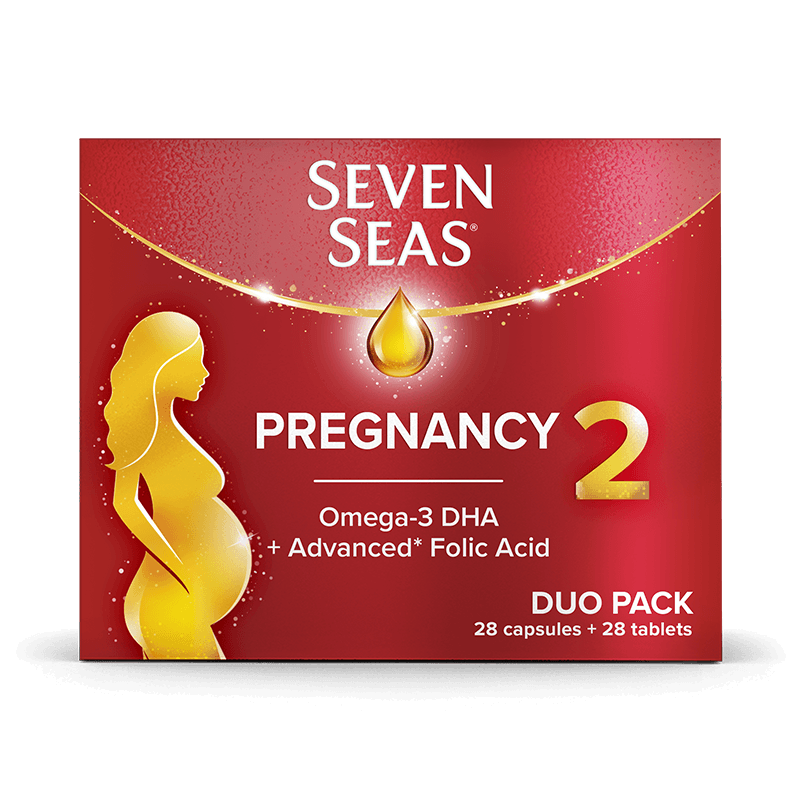
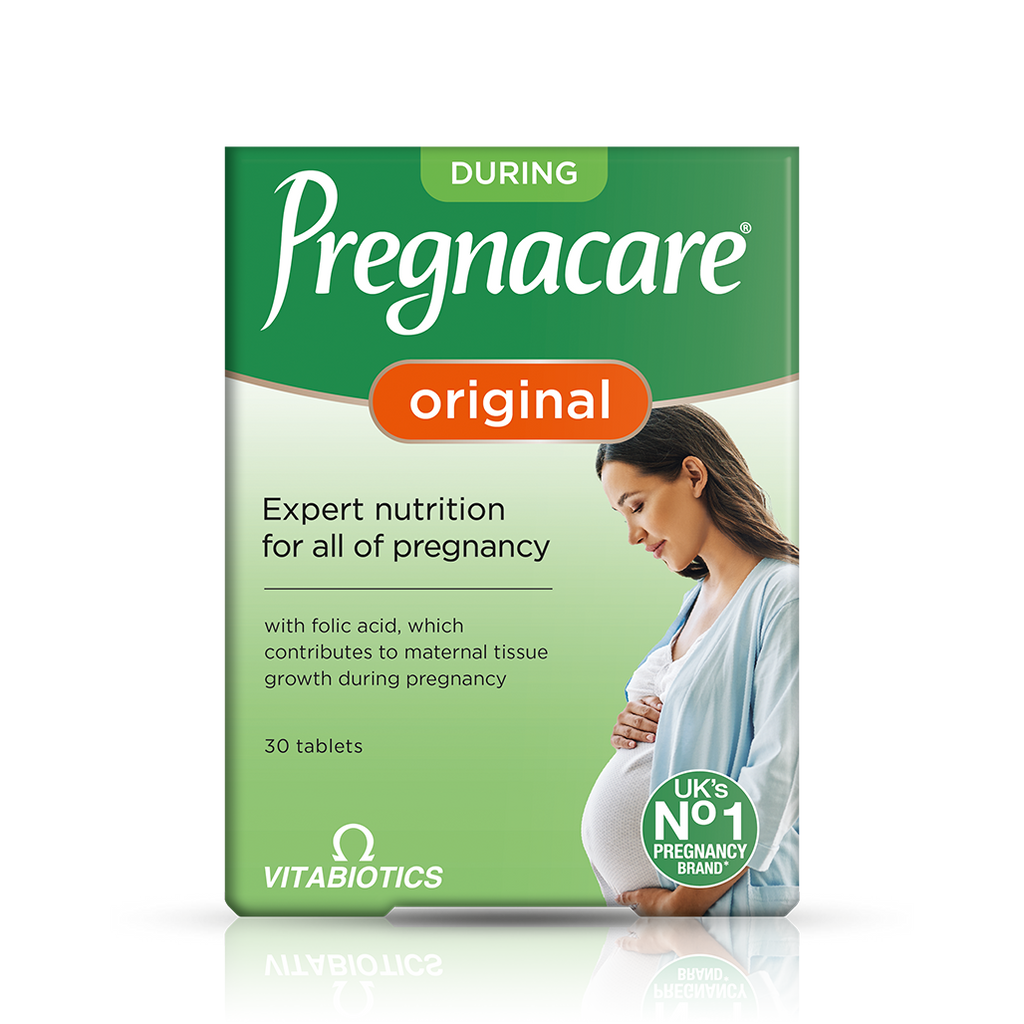
DHA (an omega-3 fatty acid) supports the baby's brain and eye development, and some multivitamins (like Seven Seas' pregnancy range) include it directly, while others (like Pregnacare Original) require a separate supplement or rely on dietary oily fish intake for this nutrient. If you don't eat oily fish regularly, checking whether your multivitamin includes DHA — or whether you need a separate supplement — is worth doing.
5. What you should actively avoid
Check that a pregnancy multivitamin does NOT contain vitamin A/retinol (as opposed to beta-carotene, which is fine) — high-dose vitamin A is linked to birth defects, and any product marketed specifically for pregnancy should already exclude it, but it's worth confirming on the label regardless.
Comparing the popular options
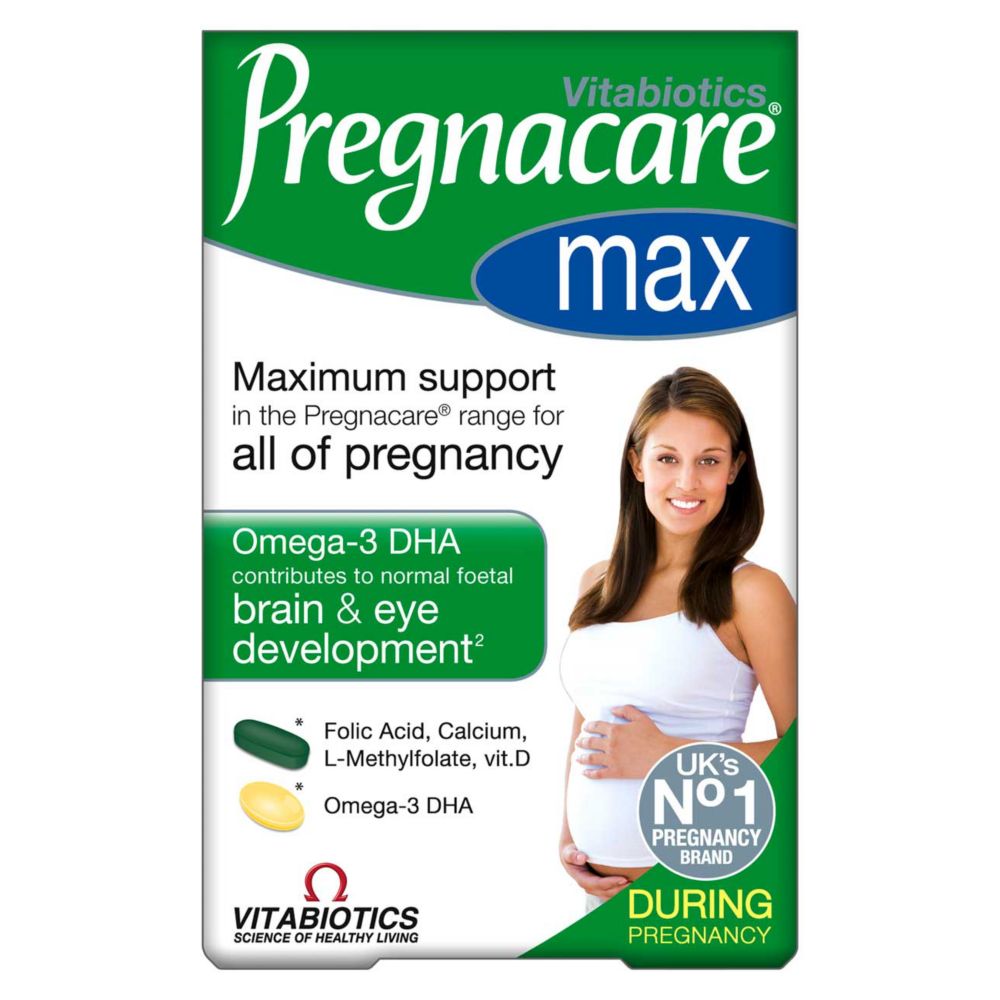
Pregnacare Original and Elevit both cover the core folic acid and vitamin D requirements at standard multivitamin pricing. Seven Seas' pregnancy range adds DHA directly into the tablet, useful if you don't eat much oily fish. Premium options like Pregnacare Max add a broader nutrient spread at a higher price point — genuinely useful if your diet has more gaps, less essential if it's already well-rounded.
The bottom line
Any multivitamin meeting the folic acid and vitamin D basics is doing the essential job. Beyond that, the choice mostly comes down to whether you want DHA included, how comprehensive a nutrient spread you want, budget, and which tablet size and format (some are notably large, which matters if nausea makes swallowing tablets difficult) you can actually stick to taking daily.
Mentioned in this guide


Frequently asked questions
Do I need a pregnancy-specific multivitamin, or will a general one do?+
A pregnancy-specific one is strongly recommended, mainly because general multivitamins often contain vitamin A/retinol at levels considered unsafe in pregnancy, and may not include enough folic acid or vitamin D at the recommended pregnancy doses.
Can I take a pregnancy multivitamin before I conceive?+
Yes — many pregnancy and conception multivitamins are formulated to be taken from when you start trying, which is exactly when folic acid needs to begin for full protective benefit.
What if the tablets make me feel sick?+
This is common, especially alongside first-trimester nausea. Taking the tablet with food, at a different time of day, or switching to a smaller-tablet or gummy format can help — a chewable or smaller-format product is often easier to tolerate than switching supplements entirely.
Sources

Written by
Sepehr
Software engineer, soon-to-be dad, uncle to four — the tech-obsessed half of the two of us testing this stuff. Currently building this site with my wife, ahead of our own baby arriving.