Coping with Morning Sickness: What the NHS Actually Recommends
Ginger and acupressure bands have real evidence behind them. Several popular 'remedies' don't. Here's what's actually worth trying, in order.
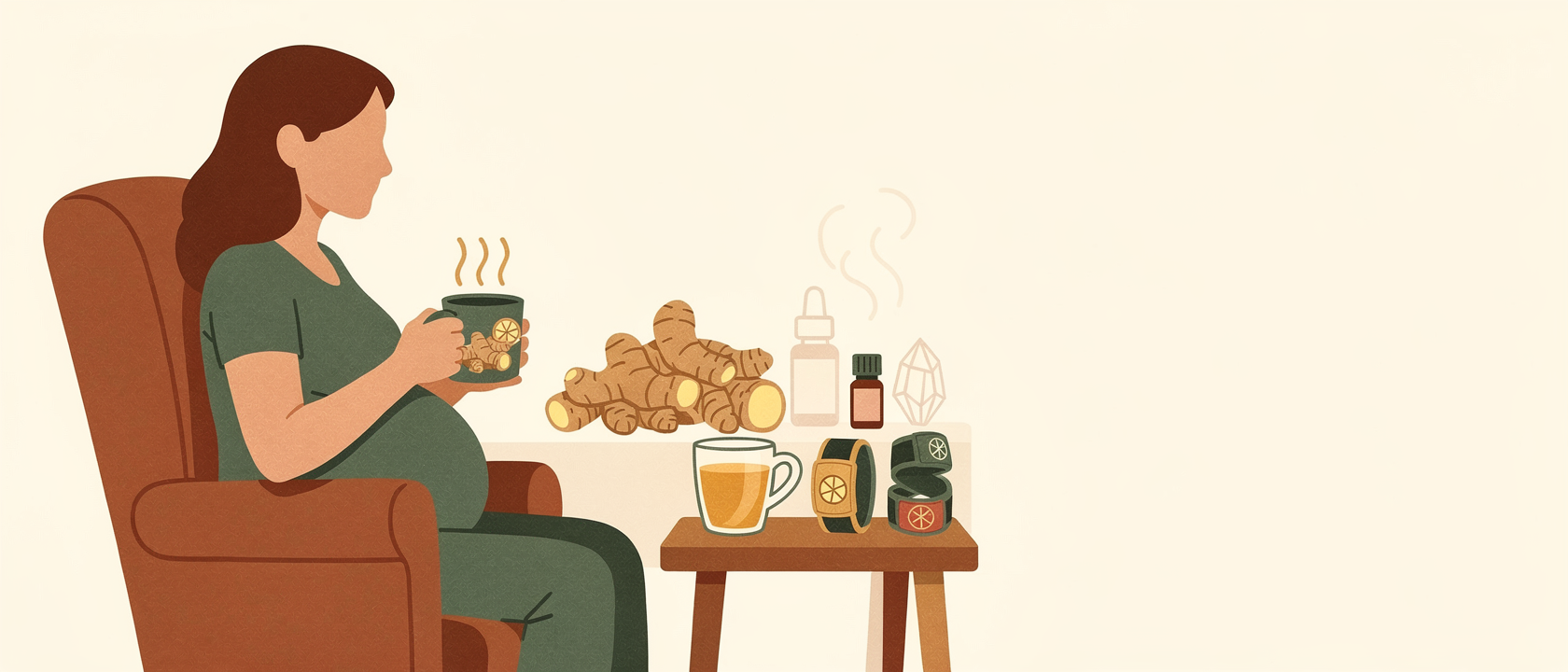
Morning sickness affects an estimated 70-80% of pregnant people to some degree, and yet the internet's advice on what helps ranges from genuinely evidence-backed to complete folklore. Here's what actually has support behind it, roughly in order of where to start.
Small, frequent meals
An empty stomach tends to worsen nausea, so eating small amounts frequently throughout the day — rather than three larger meals — is consistently recommended as a first-line approach. Plain, easily digestible foods (crackers, toast) are often better tolerated than rich or strongly flavoured meals, especially first thing in the morning.
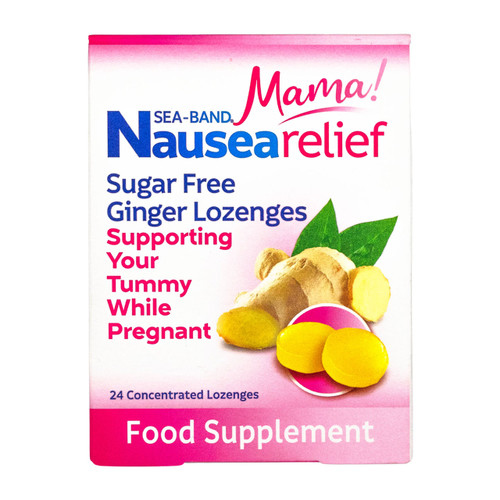
Ginger
Ginger has a genuine evidence base for reducing pregnancy nausea, in forms including ginger tea, ginger biscuits, crystallised ginger, or ginger supplements/lozenges. It's one of the few "natural remedies" that holds up under actual scrutiny, which is why it appears in NHS guidance rather than just anecdotal advice.
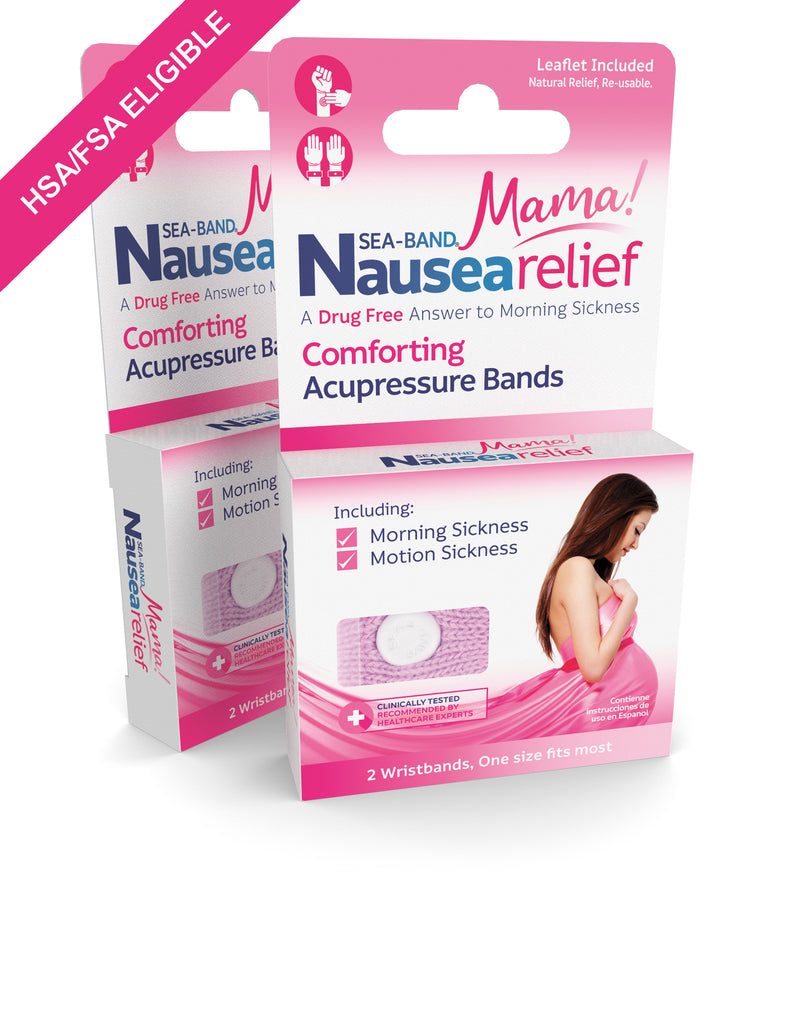
Acupressure wristbands
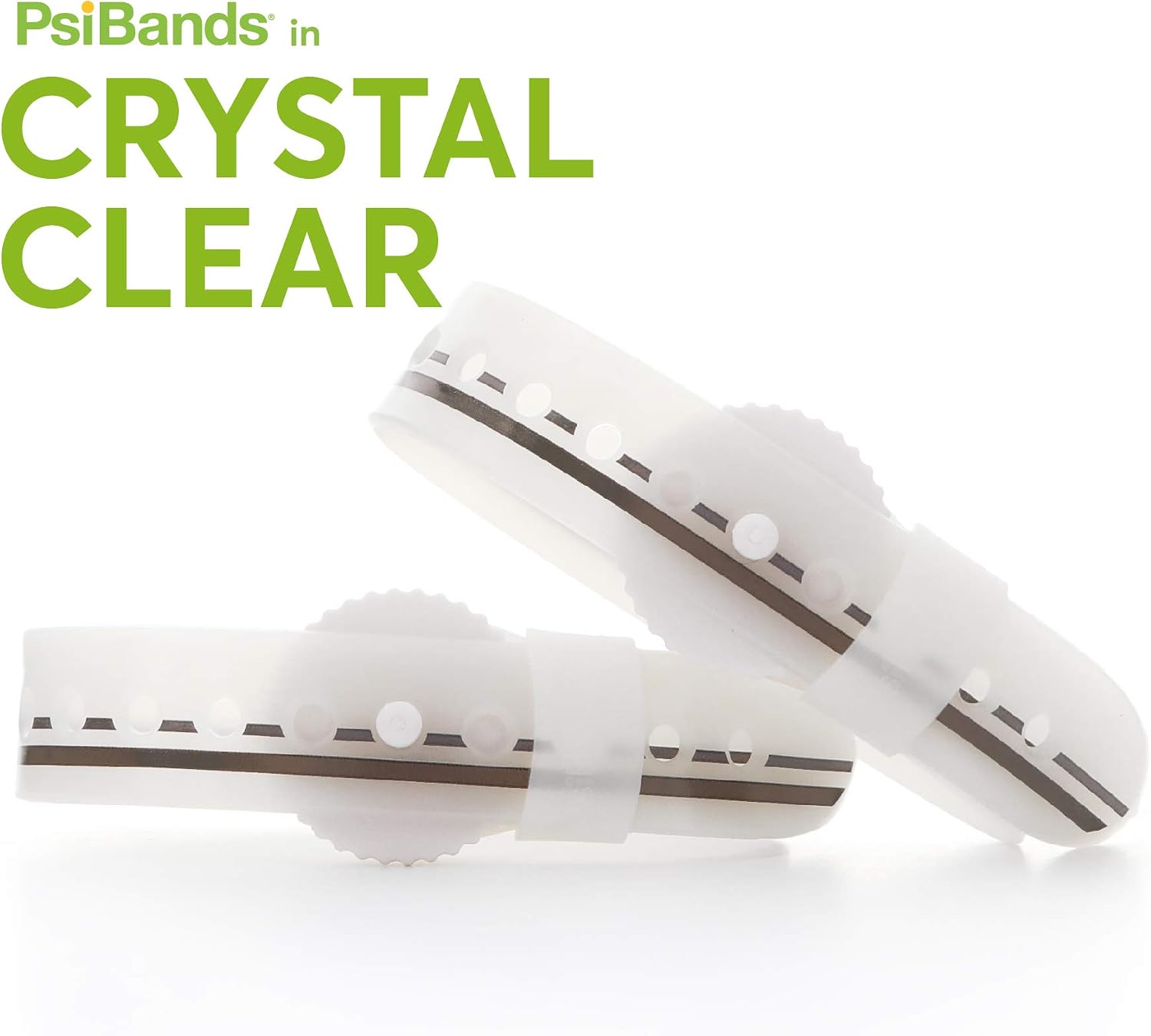
Bands that apply pressure to the P6 (Neiguan) point on the inner wrist — originally developed for travel sickness — have some evidence supporting their use for pregnancy nausea too, and carry essentially no risk since they're drug-free. They won't work for everyone, but they're a reasonable, low-cost thing to try given the lack of downside.
Vitamin B6
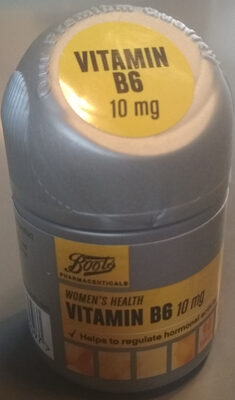
Vitamin B6 (pyridoxine) supplementation has evidence supporting a modest reduction in nausea severity for some people, and is sometimes recommended by GPs specifically for this purpose, separate from a general pregnancy multivitamin.
What the NHS says isn't recommended
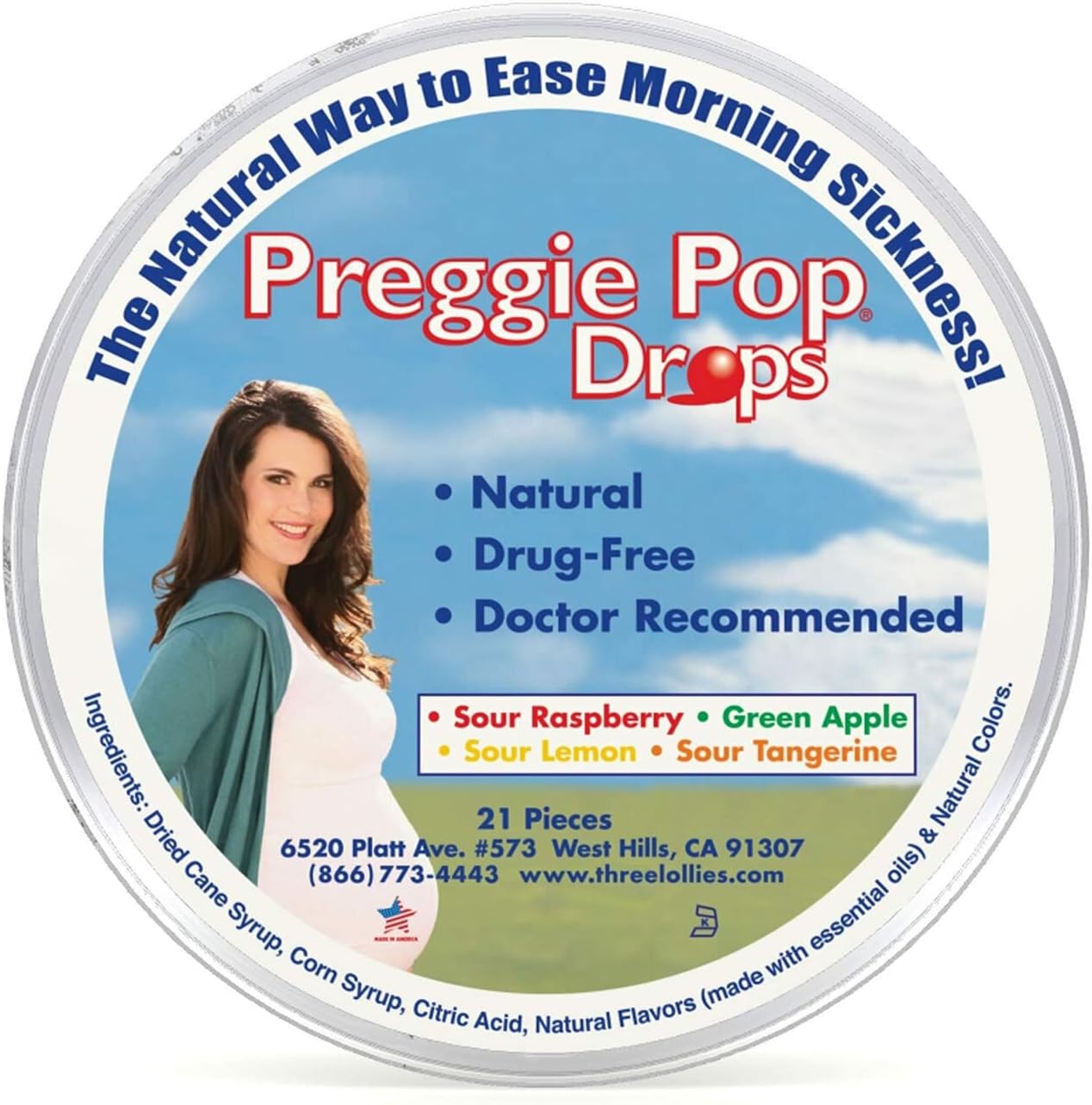
The NHS is explicit that herbal or homeopathic remedies aren't recommended for morning sickness, since evidence for their safety and effectiveness in pregnancy specifically is lacking — "natural" doesn't mean automatically safe in pregnancy, and it's worth being cautious about supplements not specifically evidenced or discussed with a midwife or GP.
Practical, low-effort things that help many people
- Getting plenty of rest — tiredness tends to worsen nausea
- Avoiding foods or smells that trigger symptoms (this varies hugely by person)
- Staying hydrated with small, frequent sips rather than large amounts at once
- Fresh air and avoiding stuffy environments
When morning sickness becomes something more serious
If you can't keep fluids down for 24 hours, are vomiting more than 3-4 times a day, losing weight, or feel severely dehydrated, this may be hyperemesis gravidarum — a more severe form of pregnancy sickness that needs medical treatment, sometimes including hospital care for fluids and anti-sickness medication. This isn't "just bad morning sickness" and isn't something to push through alone; contact your GP or midwife.
Mentioned in this guide
Frequently asked questions
Is it safe to take anti-sickness medication in pregnancy?+
For persistent or severe nausea, GPs can prescribe anti-sickness medication considered safe in pregnancy — this is a legitimate option if home remedies aren't enough, not something to avoid out of caution alone. Speak to a GP rather than struggling through.
Does morning sickness mean the pregnancy is healthy?+
There's some association between experiencing nausea and lower miscarriage risk, but the absence of nausea does not indicate a problem — many perfectly healthy pregnancies involve little to no sickness.
How long does morning sickness typically last?+
It most commonly starts around week 6 and eases by around week 12-14, though the exact timeline varies significantly, and a minority of people experience it well into the second trimester or beyond.
Sources

Written by
Sepehr
Software engineer, soon-to-be dad, uncle to four — the tech-obsessed half of the two of us testing this stuff. Currently building this site with my wife, ahead of our own baby arriving.