Cot vs Cot Bed vs Moses Basket: What You Actually Need, and When
Moses basket, cot, cot bed — they overlap more than nursery shops suggest. Here’s what each genuinely adds, and what NHS safe-sleep guidance means for all of them.
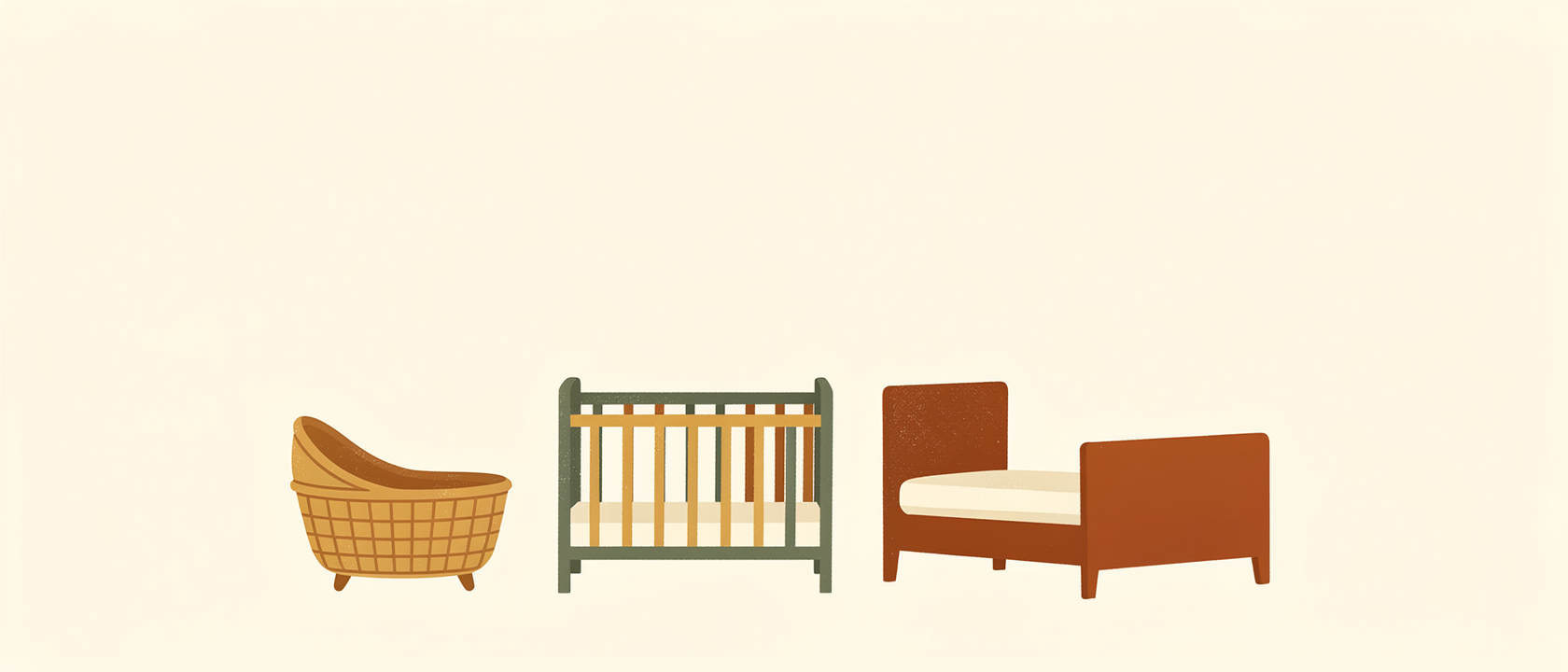
Nursery furniture ranges are set up to sell you a Moses basket, a cot, and eventually a cot bed or toddler bed as three separate purchases. In practice, most families only need two of these, and the "right" combination depends mainly on where your baby will actually sleep in the early weeks.
Moses baskets: small, portable, and genuinely optional
A Moses basket is a small, lightweight woven basket, usually with a stand, that a newborn typically outgrows by around 3–4 months (sometimes sooner). Its appeal is portability — easy to move between rooms so baby can nap near you during the day — and it fits into a much smaller room footprint than a full cot for the first weeks. It is entirely optional: a cot works from birth just as well, and many families skip the Moses basket and go straight to a cot with no downside beyond the daytime-portability convenience.
Cots: the one genuinely necessary purchase
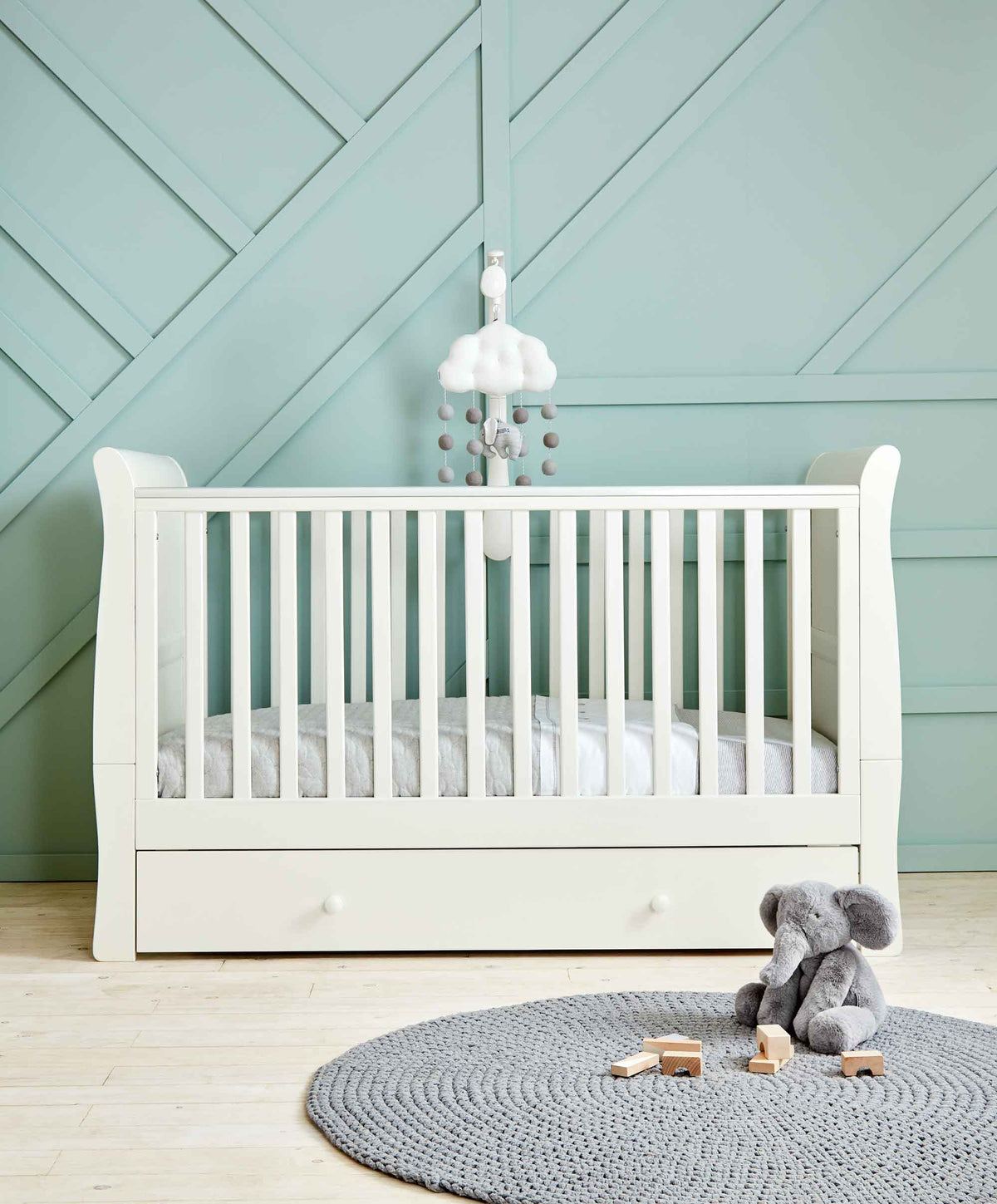
A standard cot is sized for use from birth to around 2 years old, with a base that lowers as your baby grows and starts standing. This is the piece of furniture almost every family needs, whether or not they also buy a Moses basket for the first weeks.
Cot beds: a cot now, a toddler bed later
A cot bed is a larger cot that converts — by removing a side panel or lowering the base further — into a toddler-sized bed, typically usable up to around age 4–5. The upfront cost is higher than a basic cot, and it takes up more floor space from day one, but it removes the need to buy a separate toddler bed later. For most families this ends up cheaper and less wasteful overall than buying a basic cot followed by a separate toddler bed.
The safe-sleep rules that apply to all three
Whichever you choose, NHS safe-sleep guidance applies equally: baby should sleep on their back, on a firm, flat, waterproof mattress with no pillows, duvets, cot bumpers or loose bedding, in a room with you for the first 6 months. This is about the sleeping environment inside the basket or cot, not which piece of furniture you buy — an expensive cot bed offers no safety advantage over a basic cot if the sleeping setup inside it isn't right.
A sensible buying order
- If your bedroom is large enough for a full cot from day one, skip the Moses basket and buy one cot bed — it covers birth to around 4–5 years old in a single purchase.
- If you want something small and portable for the newborn weeks (moving between rooms, staying downstairs during the day), add a Moses basket or a bedside crib, and buy the cot or cot bed for when your baby outgrows it.
- Always buy a new mattress for whichever base you choose, even with secondhand furniture — used mattresses are one of the few nursery items experts consistently advise against buying secondhand.
Mentioned in this guide
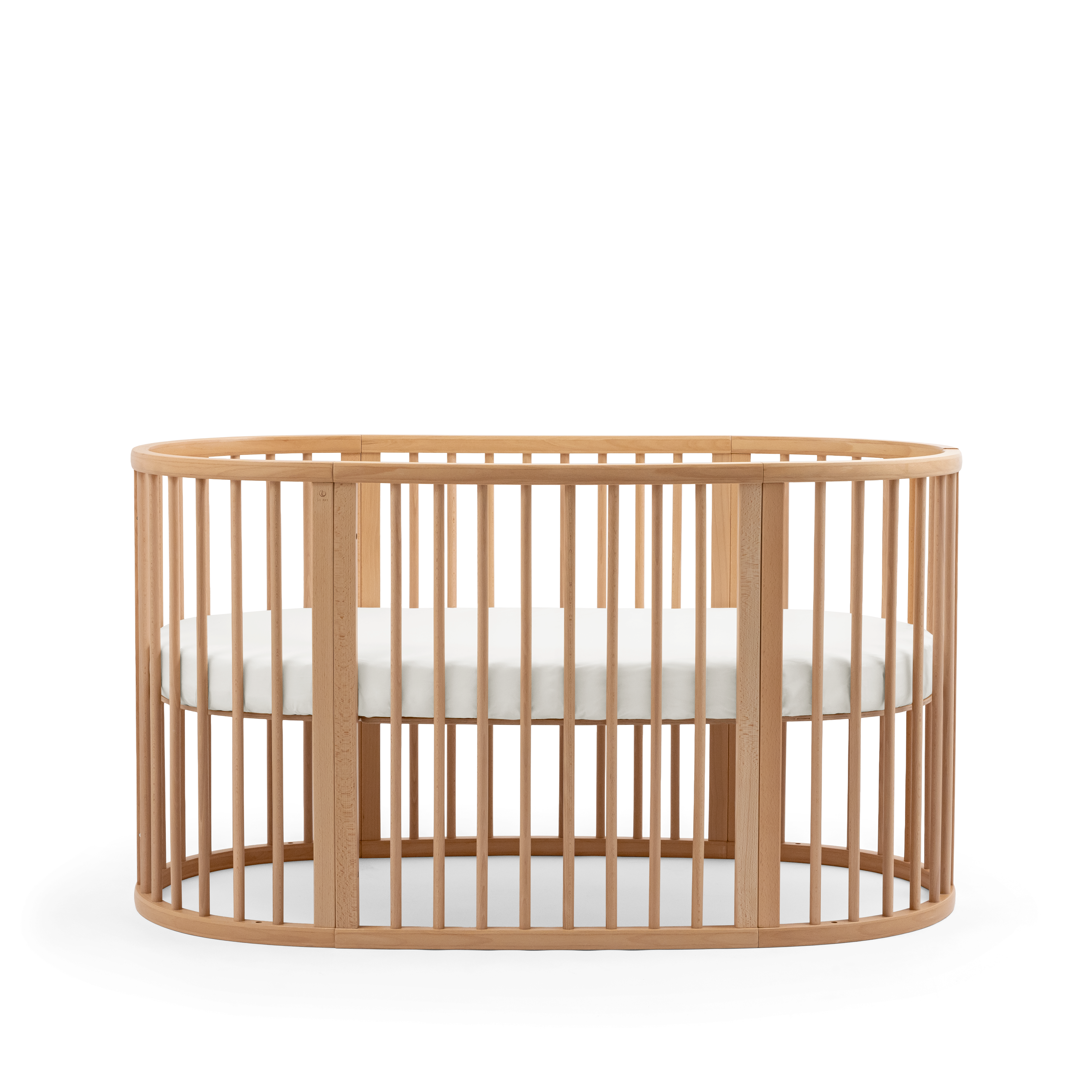
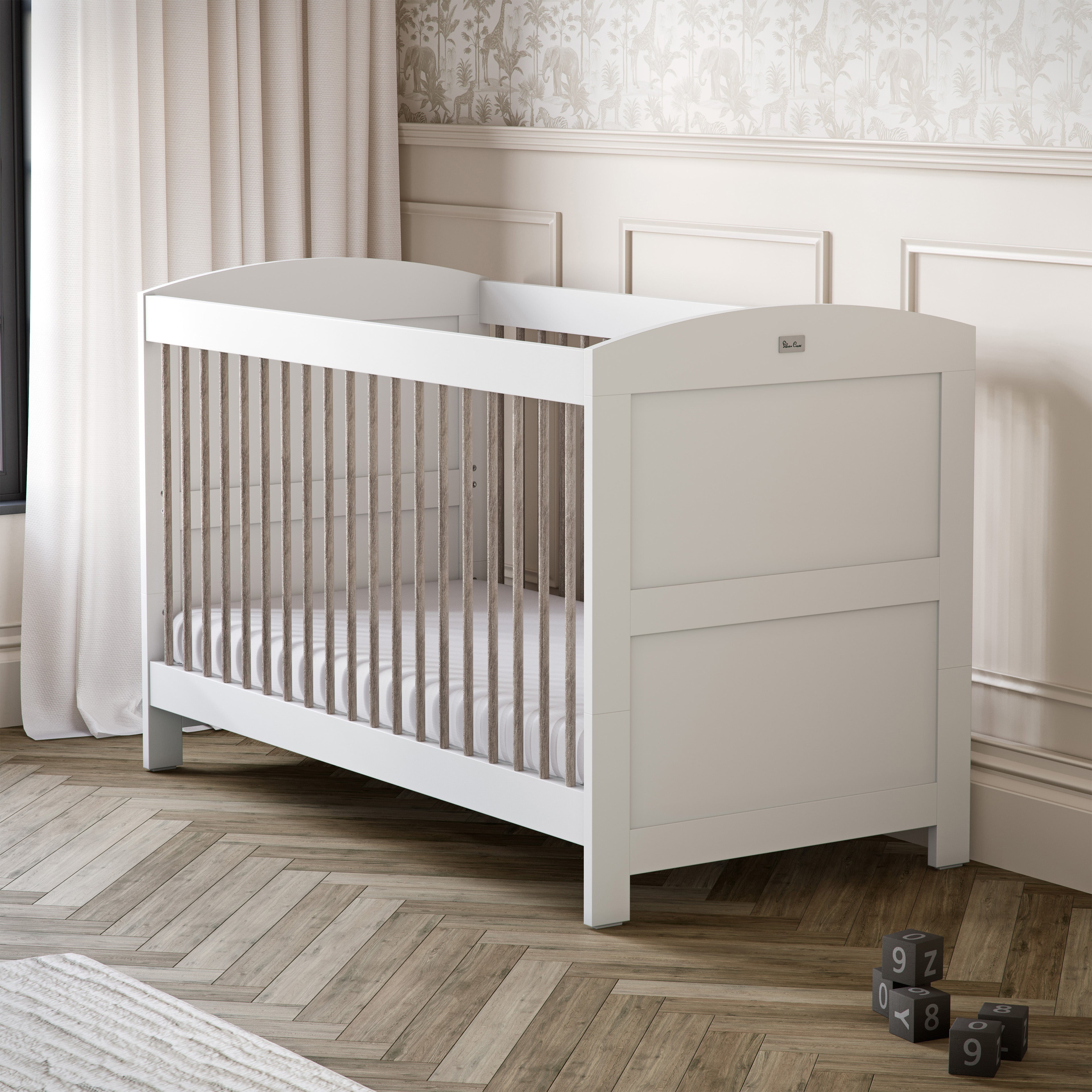
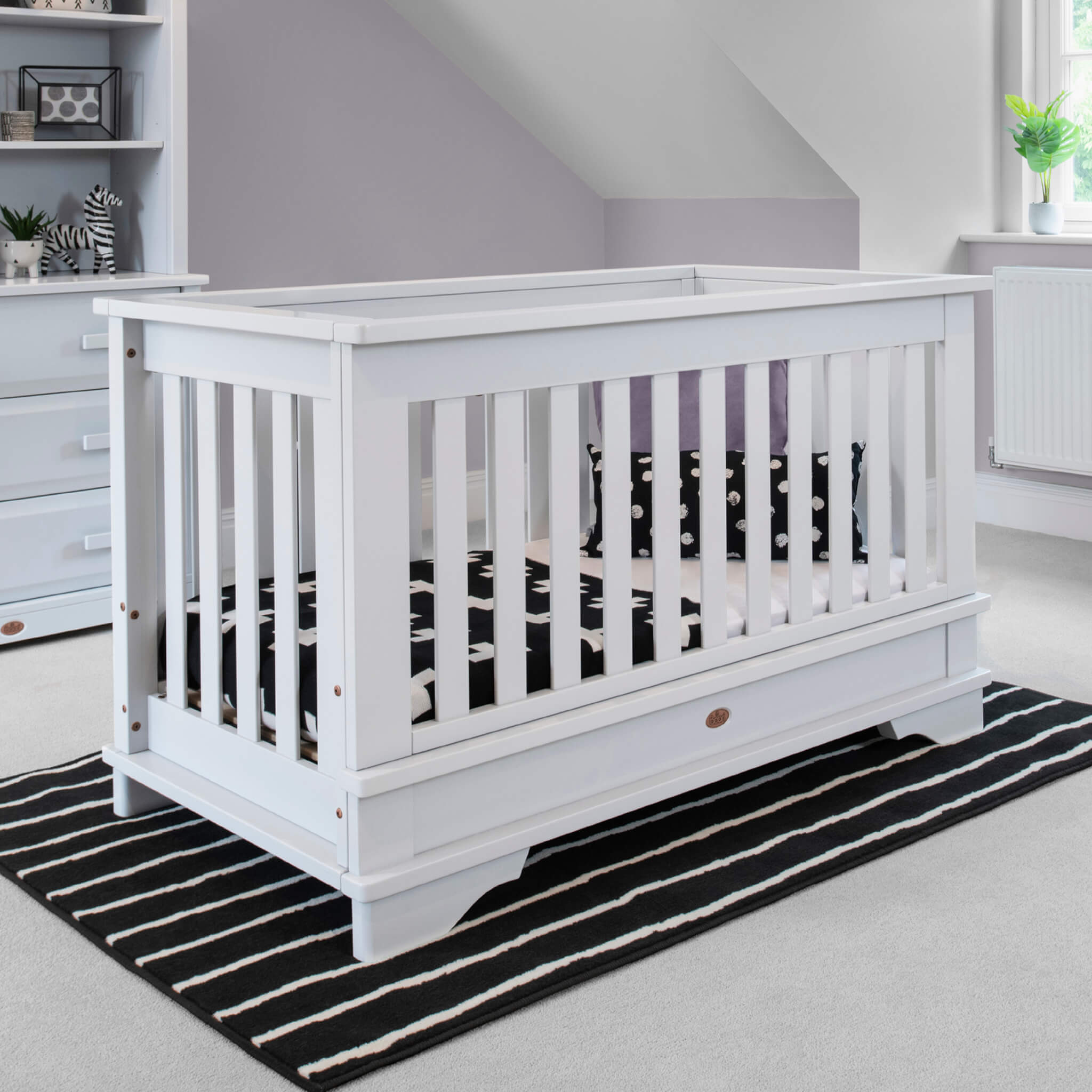
Frequently asked questions
Can I use a Moses basket instead of a cot for room-sharing in the first 6 months?+
Yes, a Moses basket, bedside crib, or cot all satisfy NHS guidance to have baby sleeping in the same room as you for the first 6 months — the specific piece of furniture matters less than following the safe-sleep setup inside it.
Is a cot bed safe from birth?+
Yes, cot beds are designed to be used from birth, with the base starting at its highest, lowest-drop setting and lowered as your baby grows.
Should I buy a secondhand cot?+
The frame is usually fine secondhand if it meets British safety standards and has no missing or damaged parts, but always buy a new mattress — secondhand mattresses are specifically advised against due to hygiene and firmness concerns.
Sources

Written by
Sepehr
Software engineer, soon-to-be dad, uncle to four — the tech-obsessed half of the two of us testing this stuff. Currently building this site with my wife, ahead of our own baby arriving.