Do Anti-Colic Bottles Actually Work?
Anti-colic bottles are genuinely useful for one specific problem: air swallowed during feeds. They are not a cure for colic itself — nothing is. Here's the honest distinction.

"Anti-colic" is one of the most confident-sounding labels on a baby product shelf, and one of the most misleading if you take it literally. Here's the honest version: anti-colic bottle valves are genuinely useful, but they solve a narrower problem than the name suggests — and knowing the difference will save you money and, more importantly, worry.
Colic and trapped wind are not the same thing
Clinically, colic is defined as a baby crying for more than 3 hours a day, 3 or more days a week, for at least a week, with no obvious cause and otherwise in good health. It usually starts in the first few weeks and resolves by 3–4 months old. The NHS is direct about this: there is no cure for colic, only ways to soothe a baby through it, and anti-colic drops, herbal remedies and probiotic supplements are not recommended because there's no good evidence they help.
Trapped wind (air swallowed during a feed) is a different, much more mechanical problem — and it's the one anti-colic bottles are actually designed to reduce. A baby who gulps air while bottle-feeding can become uncomfortable, fussy, or spit up more, in ways that can look a lot like colic symptoms from the outside even though the cause is different.
What an anti-colic valve actually does
Standard bottles rely on your baby sucking milk past a teat with a single air hole, which can pull air in alongside the milk, especially with a fast flow or a shallow latch on the teat. Anti-colic bottles add a separate venting system — a valve, straw, or vented base — that lets air bypass the milk and escape (often through the base or a vent, rather than through the milk itself). Less air taken in during the feed generally means less to bring back up afterwards.
This is a real, mechanical difference you can usually see: hold an anti-colic bottle up during a feed and you'll often see bubbles rising through a separate vent rather than through the milk itself.
Do they help with feeding discomfort?
For wind and gas specifically caused by air intake during bottle feeds, yes — most parents notice less spit-up and fewer obvious wind-related fussiness episodes. For colic in the strict clinical sense, there's no strong evidence any bottle design changes the underlying crying pattern, because colic's cause isn't fully understood and isn't necessarily related to feeding mechanics at all.
In practice, this means: if your baby seems uncomfortable specifically during or shortly after bottle feeds — pulling away, arching, obvious gulping — an anti-colic bottle is a reasonable, low-risk thing to try. If your baby cries for long stretches at a fairly consistent time of day regardless of feeding, that's more likely to be colic in the clinical sense, and a bottle switch is unlikely to change it.
What genuinely helps either way
- Winding technique. The NHS recommends burping your baby during and after every feed, regardless of bottle type — this matters more than the bottle design itself.
- Paced bottle feeding. Holding the bottle more horizontally and taking breaks slows the flow and reduces gulped air.
- Checking teat flow rate. A teat that's too fast for your baby's age increases air intake regardless of the bottle brand.
- Time. Both wind sensitivity and colic reliably improve by 3–4 months as your baby's digestive system matures.
Which bottle should you actually buy
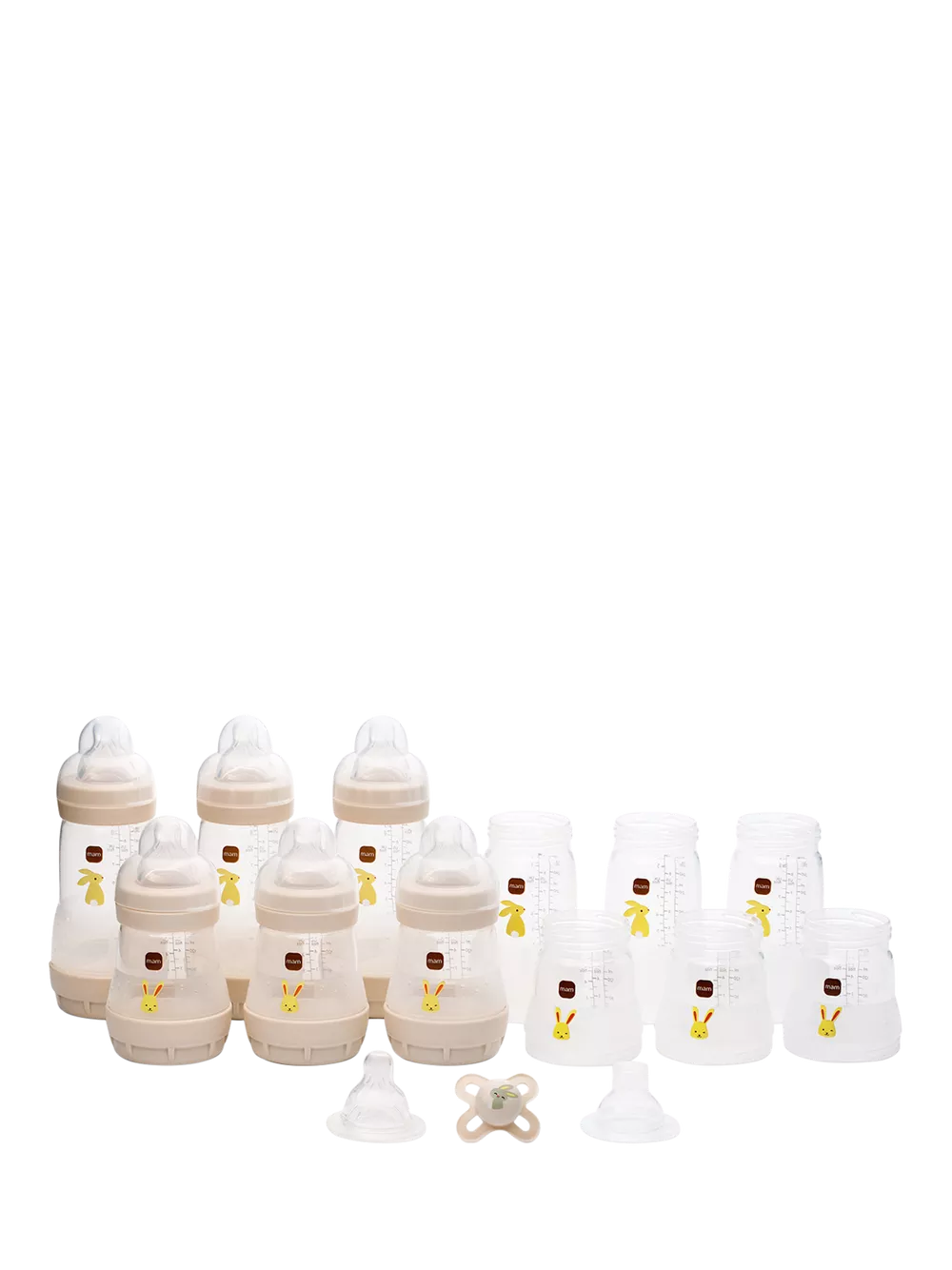
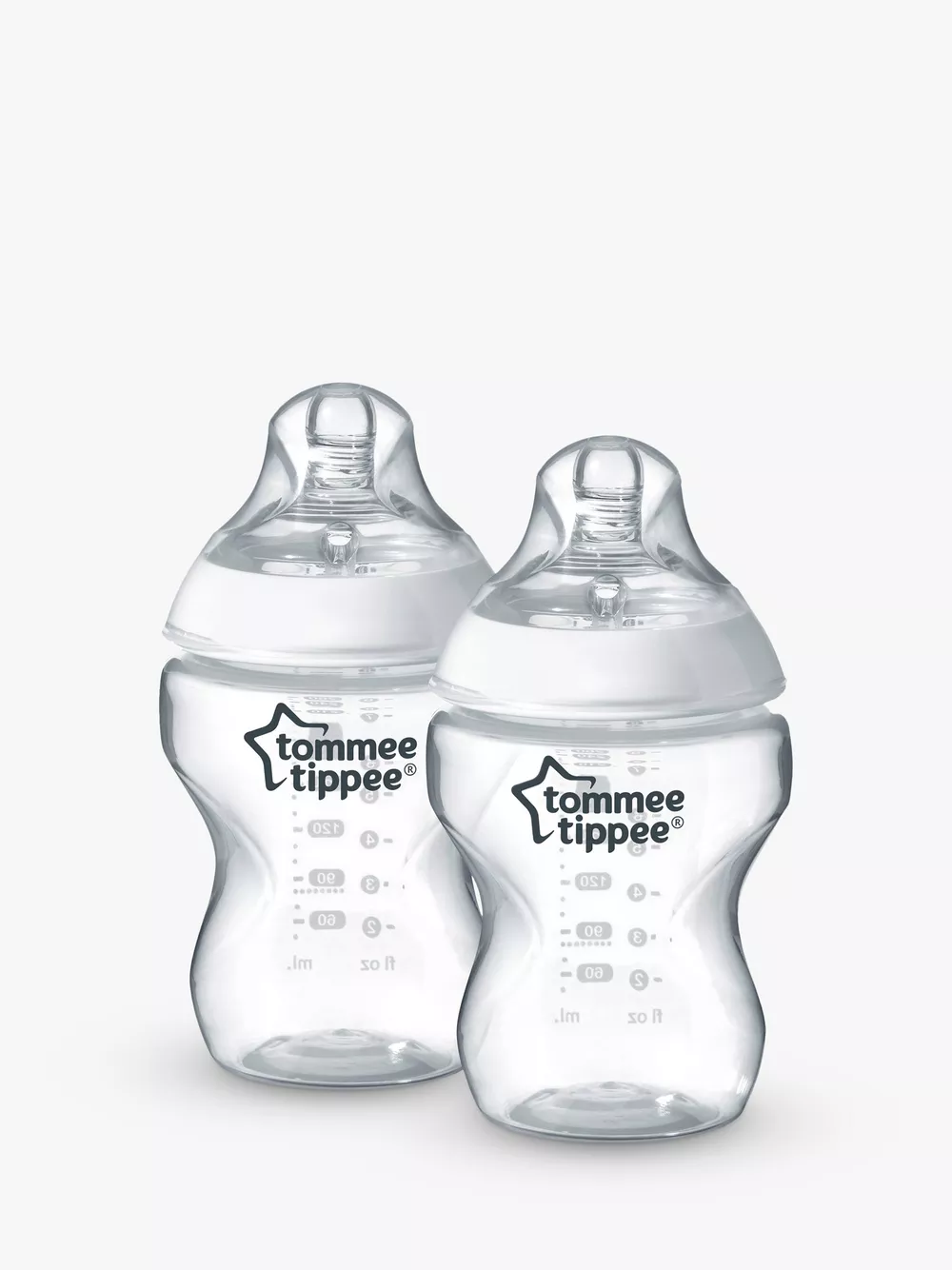
Between the two most common approaches: Tommee Tippee's Closer to Nature range uses a simple valve system and a breast-shaped teat, which makes it a popular first bottle if you're combination feeding since babies tend to accept the shape easily. MAM's Easy Start system uses a more pronounced venting base and is often the stronger pick specifically if wind has been a consistent, noticeable problem — the trade-off is an extra part (the valve) to wash and occasionally lose in the steriliser.
Either way: keep expectations calibrated. A good anti-colic bottle can meaningfully reduce wind-related fussiness. It won't cure colic, because nothing currently does — and knowing that distinction means you won't blame yourself, or the bottle, if the crying continues anyway.
Mentioned in this guide
Frequently asked questions
How do I know if it's colic or just wind?+
Wind tends to show up during or right after a feed — gulping, pulling off the bottle, spitting up, settling once burped. Colic is longer, more sustained crying (3+ hours, 3+ days a week) that isn't clearly tied to feeds and doesn't resolve with winding or soothing.
Do anti-colic bottles work for breastfed babies too?+
Anti-colic bottles only address air taken in during bottle feeding, so they're most relevant if you're combination or fully bottle feeding. A breastfed baby swallowing excess air is more often a latch issue, which a bottle design can't fix.
Are anti-colic drops or gripe water worth buying?+
The NHS doesn't recommend anti-colic drops, herbal remedies or probiotic supplements for colic, as there's no good evidence they help. Save the money and focus on winding technique and paced feeding instead.
How long does colic usually last?+
It typically starts in the first few weeks and resolves by 3 to 4 months old. If crying continues well beyond 4 months, or your baby seems unwell, seems to be in pain, or isn't feeding or gaining weight normally, speak to your health visitor or GP.
Is it normal for my baby to still seem windy with an anti-colic bottle?+
Yes — an anti-colic valve reduces air intake, it doesn't eliminate it entirely, and every baby's feeding style is different. Combining the bottle with proper winding after every feed and checking you're using the right teat flow rate for their age usually helps more than the bottle alone.
Sources

Written by
Sepehr
Software engineer, soon-to-be dad, uncle to four — the tech-obsessed half of the two of us testing this stuff. Currently building this site with my wife, ahead of our own baby arriving.