Your Fertile Window Isn't 'Day 14' — Here's How to Actually Calculate It
"Ovulate on day 14" is the most repeated piece of fertility advice — and it's only accurate for a minority of cycles. Here's the maths that actually applies to you.
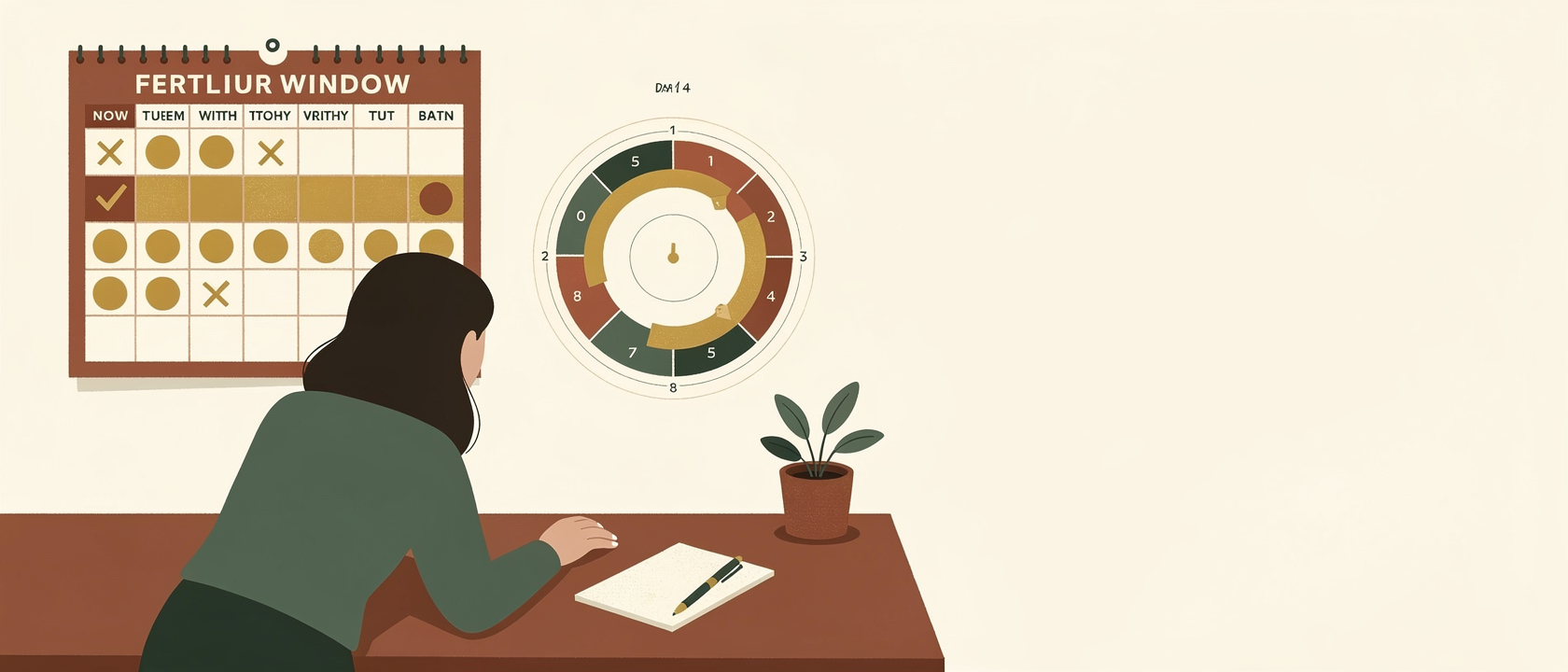
"You ovulate on day 14" is one of the most repeated pieces of fertility advice, and it's only true if your cycle is a perfectly textbook 28 days. In practice, cycle lengths vary widely — anywhere from around 21 to 35 days is considered normal — which means day 14 is meaningless for a large share of people trying to conceive.
The rule that actually holds: count backwards, not forwards
Ovulation reliably happens around 12–16 days before your next period starts — not a fixed number of days after your last one. This is because the second half of your cycle (from ovulation to your next period, called the luteal phase) is fairly consistent in length, usually 12–14 days, while the first half (from your period to ovulation, the follicular phase) is what actually varies between people and even between your own cycles.
So if your cycle is 32 days long, you're likely ovulating around day 18, not day 14. If it's 24 days, more like day 10. The way to work this out for your own body is to track a few cycles and count backwards from when your period starts.
Why this matters for timing
An egg survives about 24 hours after release. Sperm can survive up to 5–7 days. That means your realistic fertile window is roughly the 5–6 days ending on ovulation day itself — sex on any of those days can lead to pregnancy, not just on ovulation day. If you're relying on "day 14" for a cycle that's actually longer or shorter, you could be aiming at entirely the wrong week.
Three ways to find your actual ovulation day
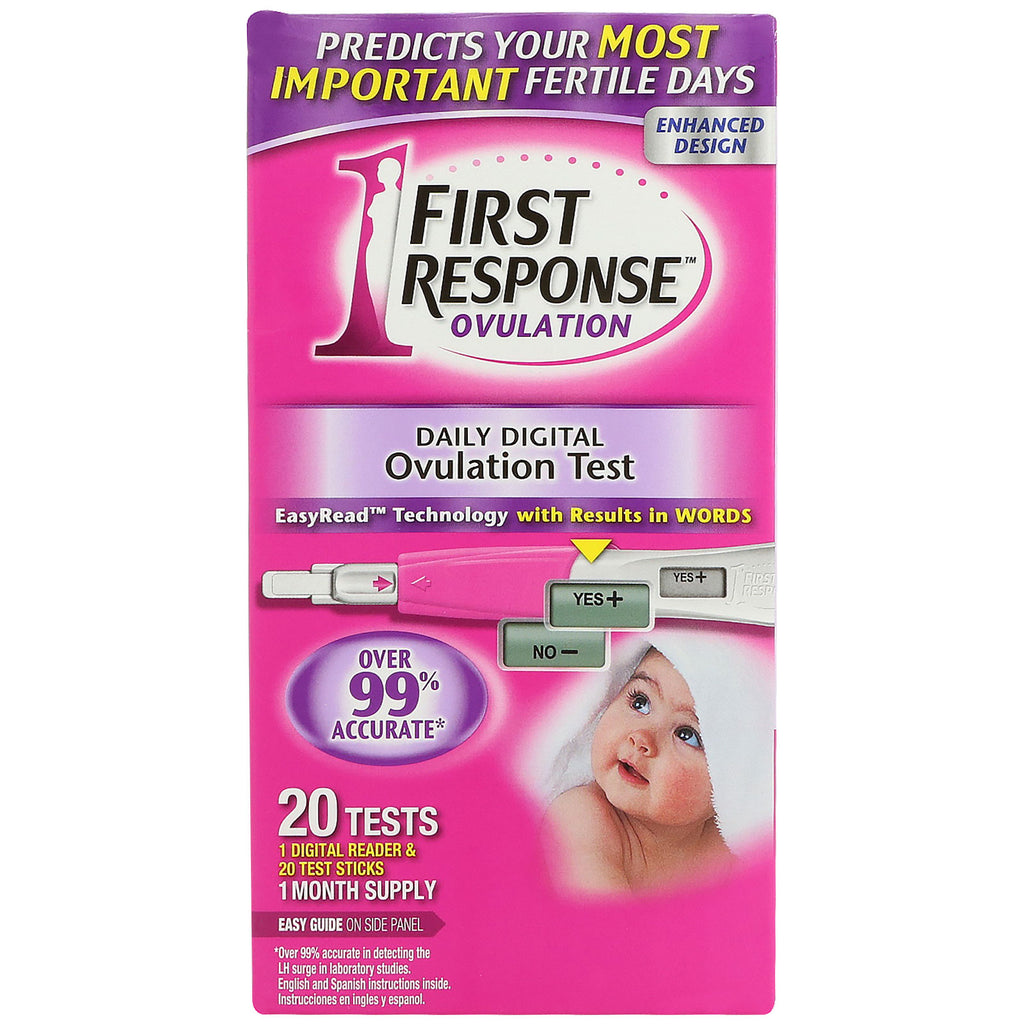
- LH tests detect the hormone surge 24–36 hours before ovulation — the most direct, real-time method.
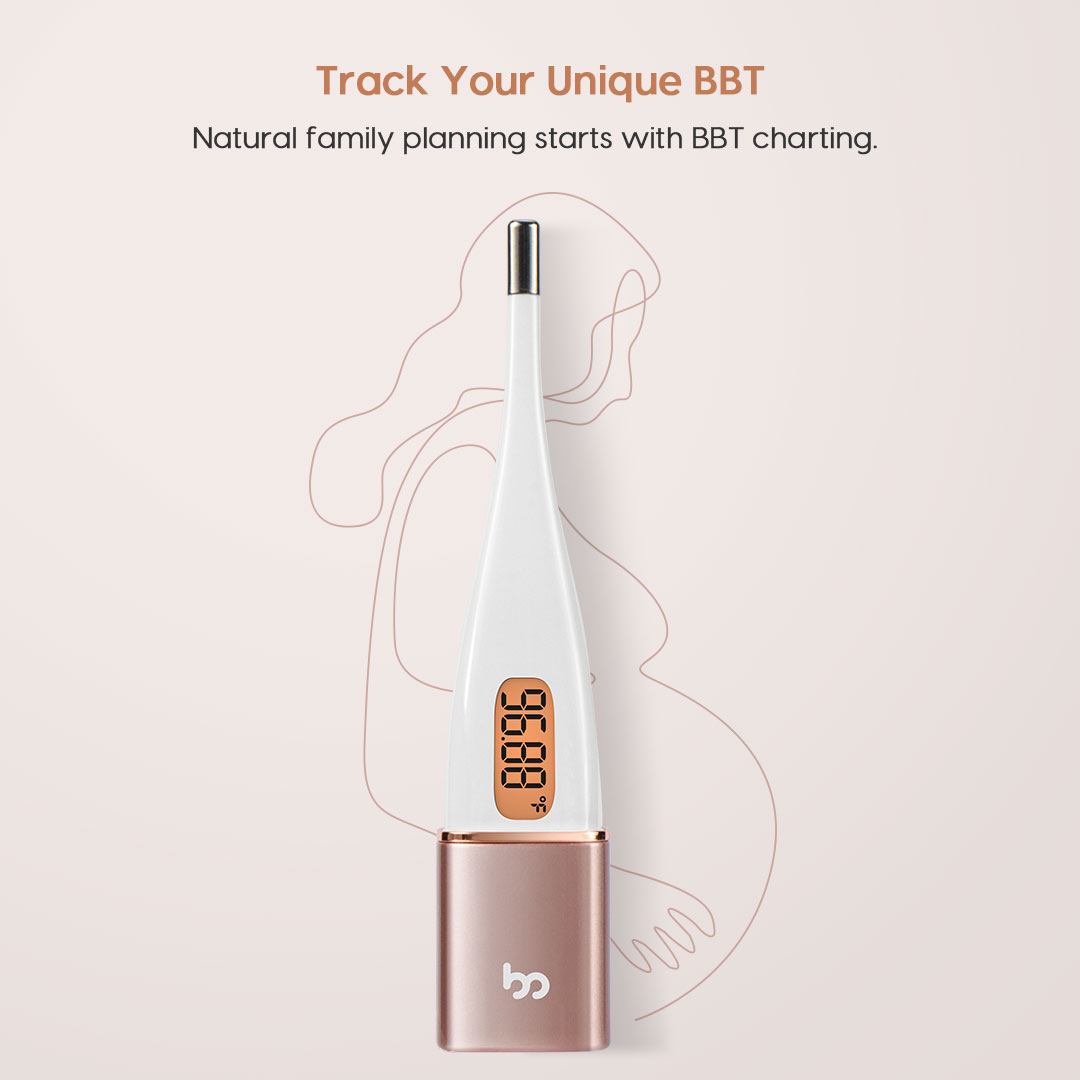
- Basal body temperature confirms ovulation happened (via a small temperature rise afterwards) rather than predicting it — useful for understanding your pattern over 2–3 cycles.
- Cycle tracking apps use your logged period dates to estimate a fertile window, improving in accuracy the more cycles you log.
If your cycles are irregular
If your cycle length varies a lot month to month, counting backwards becomes less reliable, and LH testing over a wider window (testing for 8–10 days rather than a narrow few) becomes more useful than date-based calculation. Significantly irregular cycles are also worth mentioning to a GP, since they can sometimes indicate an underlying condition like PCOS worth investigating alongside your fertility efforts.
Mentioned in this guide

Frequently asked questions
What's considered a normal cycle length?+
Anywhere from about 21 to 35 days is considered within the normal range. What matters more than hitting a specific number is consistency — a cycle that varies by more than 7-9 days from month to month is worth discussing with a GP.
Does stress delay ovulation?+
It can. Significant physical or emotional stress can delay or occasionally skip ovulation in a given cycle, which is one reason cycle length can vary even in people who are usually regular.
How many cycles should I track before I trust my calculated ovulation day?+
Most people get a reasonably reliable picture after tracking 2-3 cycles, ideally combined with an LH test or basal body temperature to confirm the calculated day against real physiological signals.
Sources

Written by
Sepehr
Software engineer, soon-to-be dad, uncle to four — the tech-obsessed half of the two of us testing this stuff. Currently building this site with my wife, ahead of our own baby arriving.