Natural Cycles vs Mira vs Ava: Which Fertility Tracker Is Actually Worth It
These three tools solve the same problem in completely different ways, at completely different price points. Here's the real difference in what you're paying for.
"Fertility app" covers three genuinely different approaches, at three very different price points, and it's easy to assume they're roughly interchangeable. They're not. Here's what each one actually measures, and who it genuinely suits.
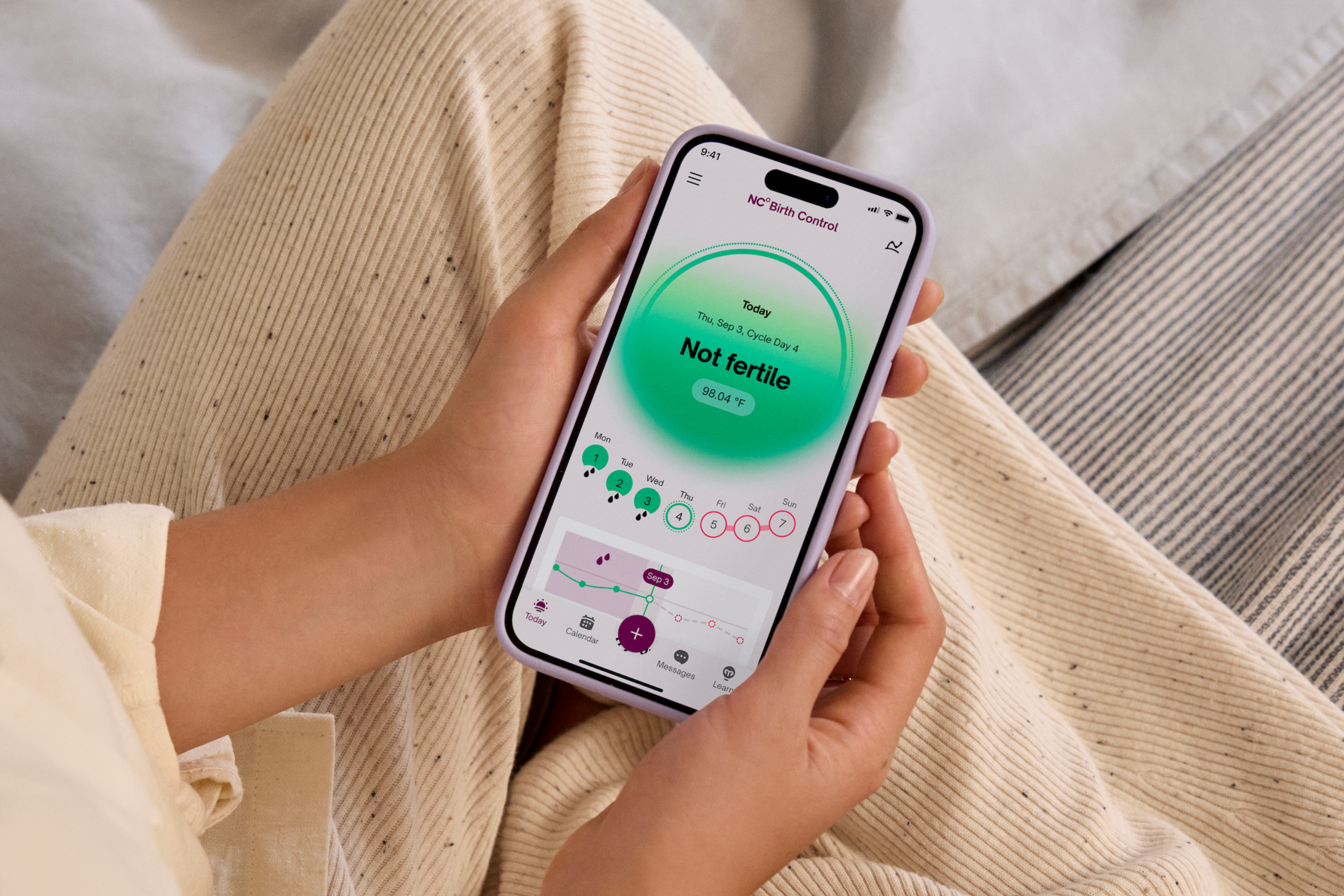
Natural Cycles: temperature-based algorithm
Natural Cycles uses your basal body temperature (taken each morning with a sensitive thermometer, either theirs or a compatible one) plus an algorithm trained on your own cycle data to identify fertile and non-fertile days. It's the only fertility app to have UK/EU medical device certification for contraception use as well as conception, which says something about the rigour behind the underlying algorithm — though for conception specifically, that same certification isn't the relevant benchmark since you're aiming for fertile days, not avoiding them.
The trade-off: temperature-based tracking confirms ovulation happened rather than predicting it precisely in advance, so it takes a few cycles to build an accurate personal pattern, and daily temperature discipline (same time, before getting up) matters for accuracy.
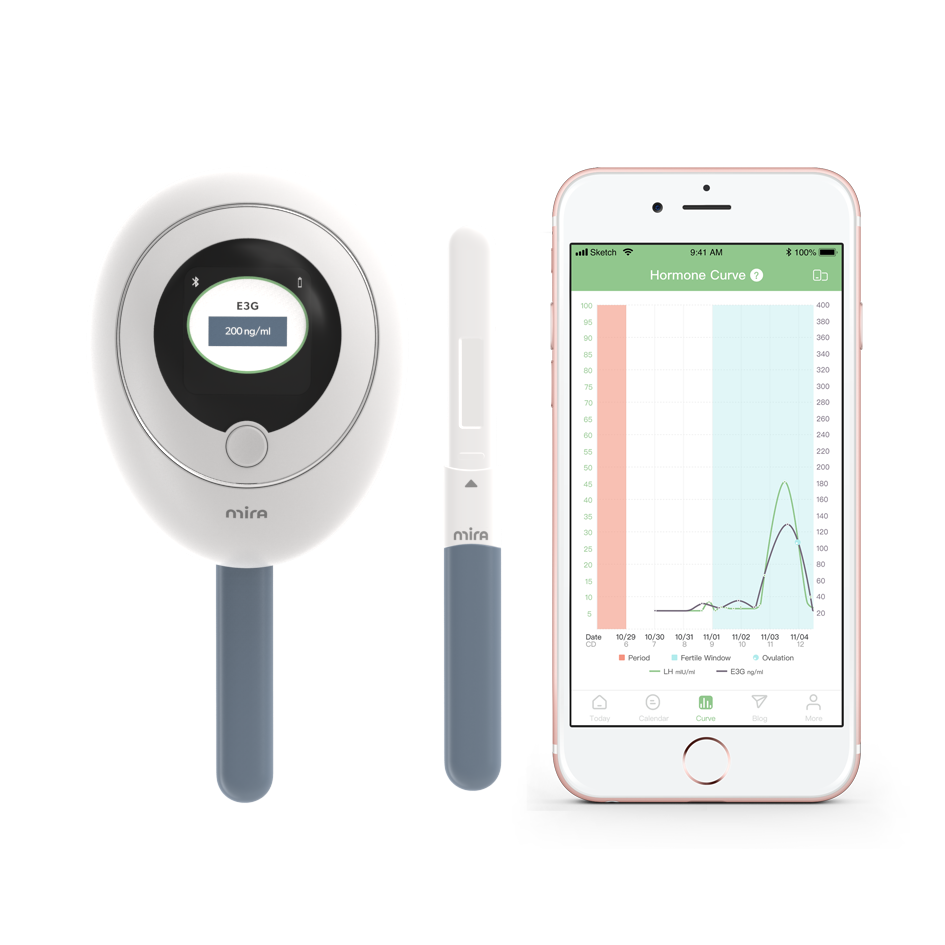
Mira: hormone monitor with lab-grade readings
Mira uses disposable test wands read by a connected device to measure actual hormone concentrations (not just a positive/negative threshold like standard LH strips), giving you a numeric hormone curve across your cycle rather than a single surge signal. This is a genuinely different level of detail — closer to what a fertility clinic might track — and it's the strongest option if you want to understand your hormone pattern in depth, including detecting a weak or unusual LH surge that a standard test might miss entirely.
The trade-off is cost: both the monitor and ongoing wands represent a bigger investment than an app or basic test strips, which makes it a better fit if you have a specific reason to want detailed hormone data (irregular cycles, previous unclear LH results) rather than as a first tool to reach for.
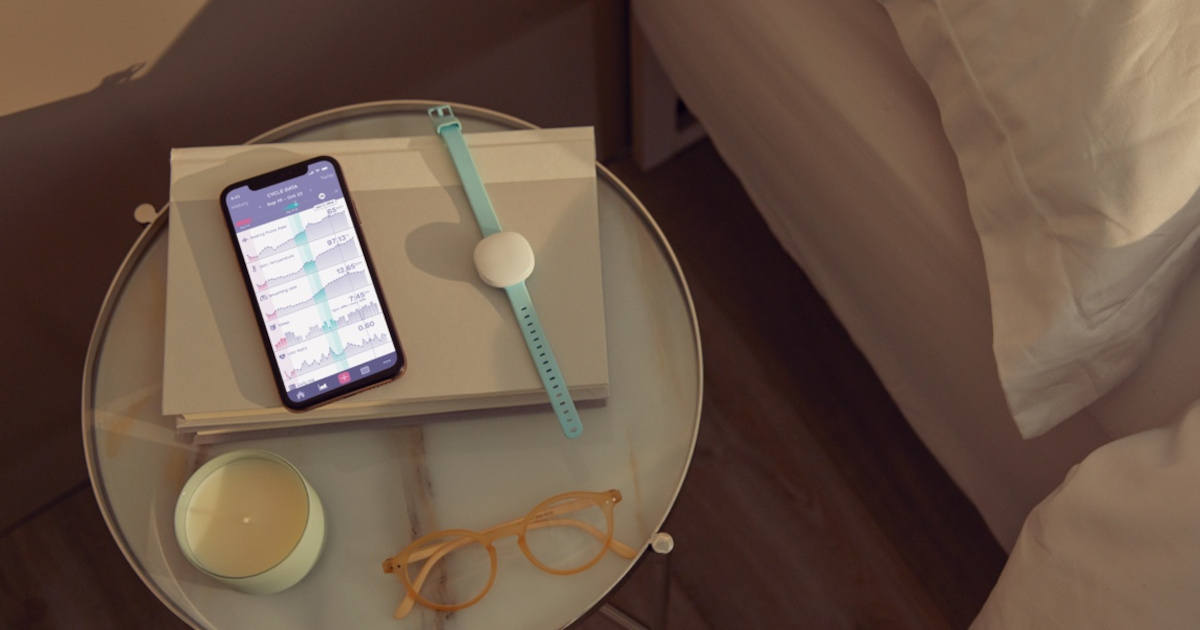
Ava: wearable bracelet, worn overnight
Ava is worn as a bracelet overnight and tracks multiple physiological signals (including skin temperature, resting pulse rate, and breathing rate) to estimate your fertile window, requiring no morning routine, urine tests, or daily manual logging beyond wearing the device to sleep. This passive approach suits people who find daily testing routines hard to stick to consistently, at the cost of being one step more indirect than a direct hormone reading.
Which one should you actually get
If you want the lowest-effort daily routine and don't mind a learning curve over a few cycles, Natural Cycles is the most established option. If you specifically want detailed hormone data — particularly useful with irregular cycles or after inconclusive LH tests — Mira's depth justifies its higher cost. If mornings are chaotic and you know you won't stick to manual testing, Ava's overnight-only approach removes that friction entirely, at a real cost premium for the convenience.
Mentioned in this guide

Frequently asked questions
Do I need a separate ovulation test if I use one of these apps?+
It depends on the app. Mira includes its own hormone-reading wands, so no separate test is needed. Natural Cycles and Ava can both be used alongside a standard LH test for extra confirmation, though neither strictly requires it.
Are these apps as accurate as a fertility clinic?+
No single consumer app or device replaces clinical fertility testing, but Mira's lab-grade hormone readings come closest to that level of detail among consumer options.
How many cycles before these tools become accurate?+
Most algorithm-based tools (Natural Cycles in particular) improve meaningfully after 2-3 logged cycles, as they build a personalised pattern rather than relying on generic averages.
Sources

Written by
Sepehr
Software engineer, soon-to-be dad, uncle to four — the tech-obsessed half of the two of us testing this stuff. Currently building this site with my wife, ahead of our own baby arriving.