How to Choose a Baby Carrier or Sling
The right carrier depends on your baby's age far more than personal taste. Here's how to match the two.

Carriers and slings fall into a few genuinely different categories, and the right one depends more on your baby's age and your intended use than on brand preference.
The main types
Stretchy wraps
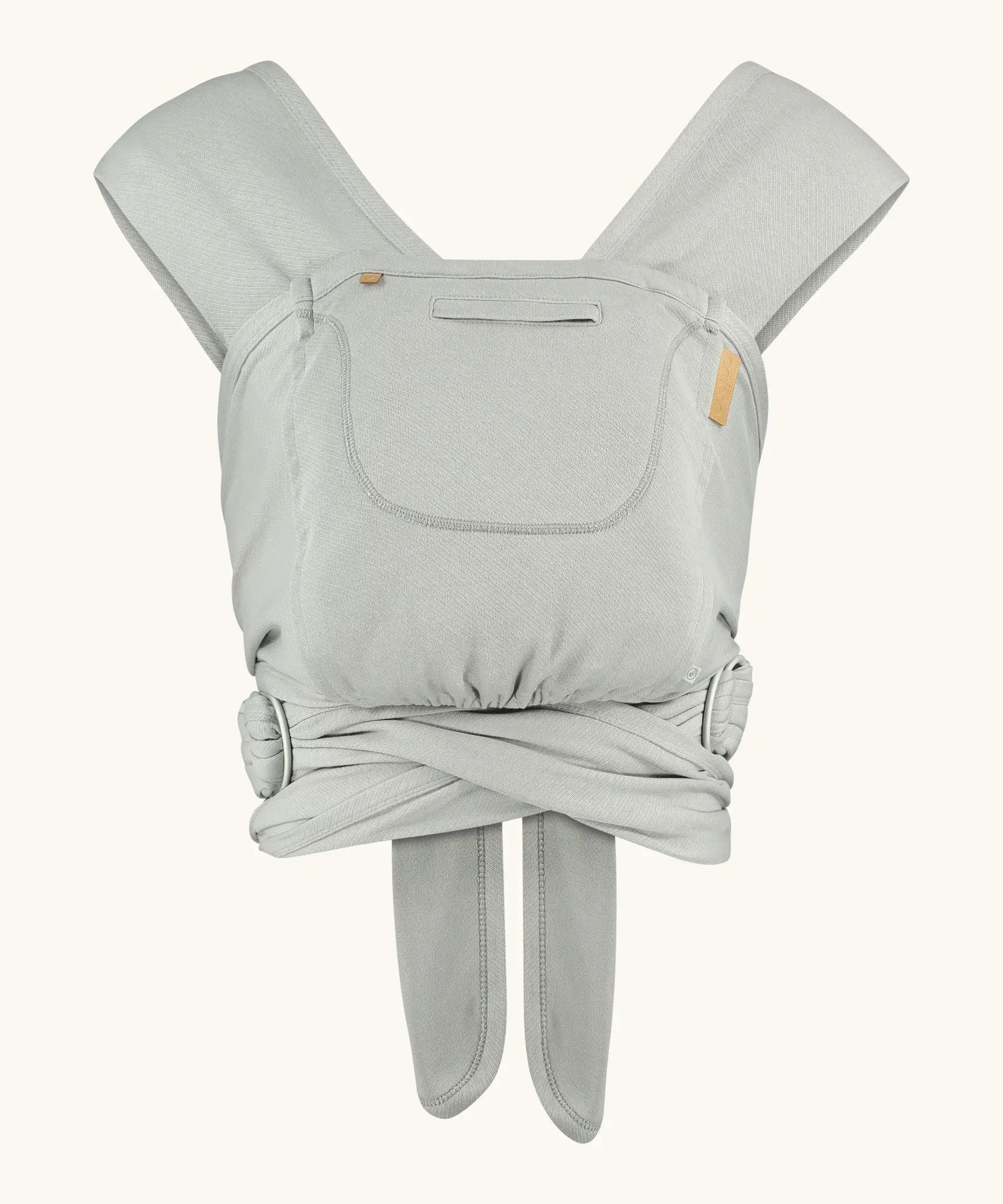
A long piece of stretchy fabric wrapped and tied around your body, best suited to newborns up to around 3–4 months (before they get heavy enough that the stretch becomes tiring to support). Cheap, versatile, and genuinely snug — many parents find this the best option for very early newborn cuddling. The trade-off is a learning curve to tie correctly, and less suited to a heavier, wriggling older baby.
Buckle carriers (structured)
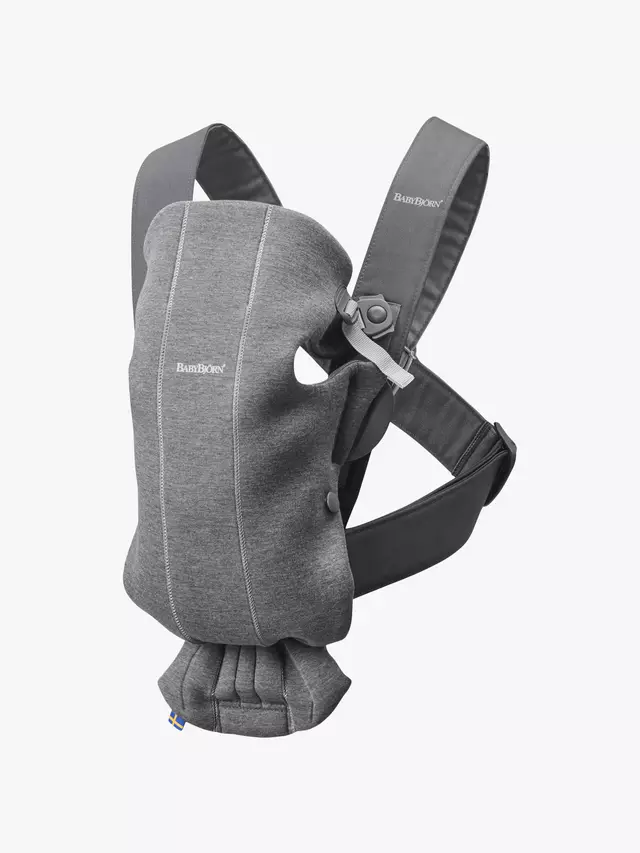
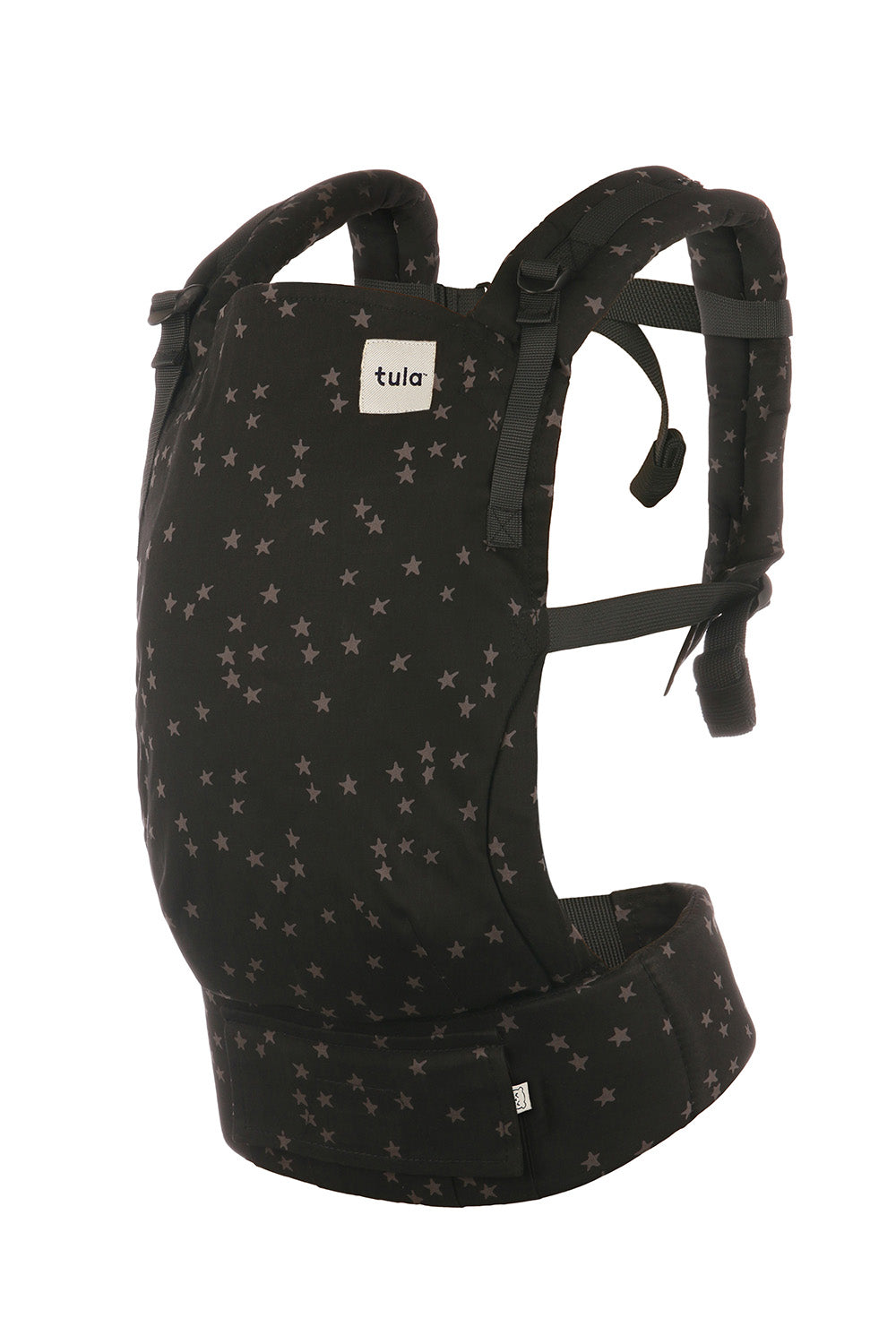
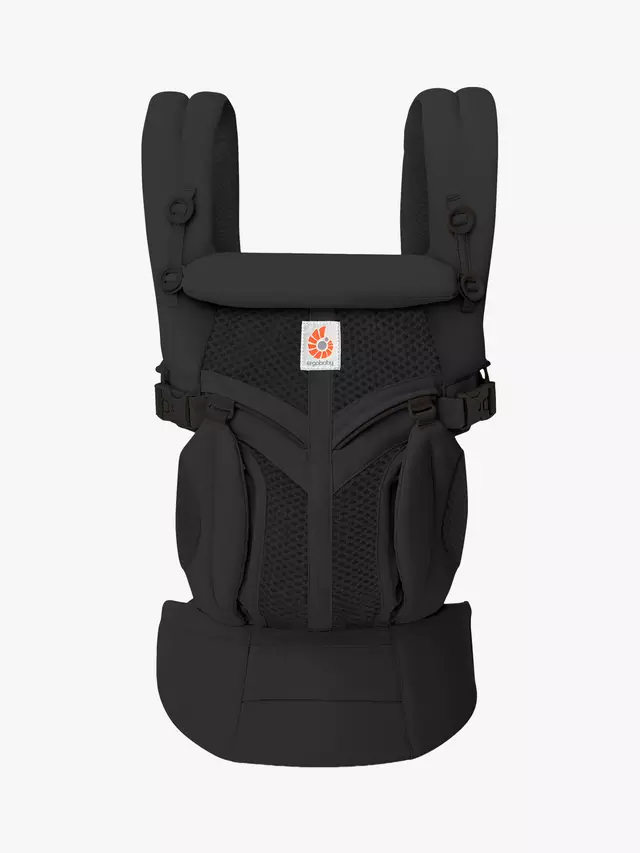
Padded shoulder straps and a waist belt with clip buckles, similar to a rucksack. Faster to put on than a wrap, no tying involved, and most (like the Ergobaby Omni 360 or BabyBjörn Carrier Mini) support a wide age and weight range, some from newborn through to around 3 years with an infant insert. This is the most popular choice for day-to-day use once you're past the earliest weeks.
Ring slings
A single piece of fabric threaded through two rings, adjustable and quick to put on one-handed, popular for quick up-down carrying and breastfeeding on the go, though they put weight on one shoulder rather than distributing it across both.
The hip-healthy positioning check
Whichever type you choose, correct positioning matters for your baby's hip development. Look for the "M" position: knees higher than bottom, thighs spread around your body, forming an M shape when viewed from the front, rather than legs hanging straight down. The International Hip Dysplasia Institute specifically endorses carriers that allow this position as "hip-healthy" — most reputable modern carriers are designed around it, but it's worth checking rather than assuming.
Forward-facing-out carrying
Some structured carriers allow baby to face forward, away from you, once they have good head and neck control (usually from around 5–6 months). This position is fine for shorter periods but offers less back support for baby than facing inward, and most guidance suggests limiting the duration rather than using it as a default.
What to prioritise for your situation
- Newborn-first: a stretchy wrap or a buckle carrier with a purpose-made infant insert
- Longevity across ages: a buckle carrier with a wide weight range rather than buying separate carriers per stage
- Quick errands, breastfeeding access: a ring sling
- Hot weather comfort: mesh-panelled buckle carriers reduce overheating for both of you significantly compared to solid fabric
Mentioned in this guide
Frequently asked questions
What is the 'M' position and why does it matter?+
It refers to a baby's legs being spread around the wearer's body with knees higher than the bottom, forming an M shape. This position supports healthy hip development and is a key marker of a well-designed, hip-healthy carrier.
From what age can a baby face forward-out in a carrier?+
Generally from around 5-6 months once head and neck control is well established, and usually recommended for shorter stretches rather than extended wear.
Are stretchy wraps safe for a heavier baby?+
They're best suited to newborns up to roughly 3-4 months — beyond that, the fabric's stretch makes it harder to maintain a supportive, snug fit for a heavier baby, and a buckle carrier is generally more practical.
Sources

Written by
Sepehr
Software engineer, soon-to-be dad, uncle to four — the tech-obsessed half of the two of us testing this stuff. Currently building this site with my wife, ahead of our own baby arriving.