How to Choose a Highchair: A Practical Buying Guide
The price gap between highchairs is enormous. Here's what you're actually paying for at each level.
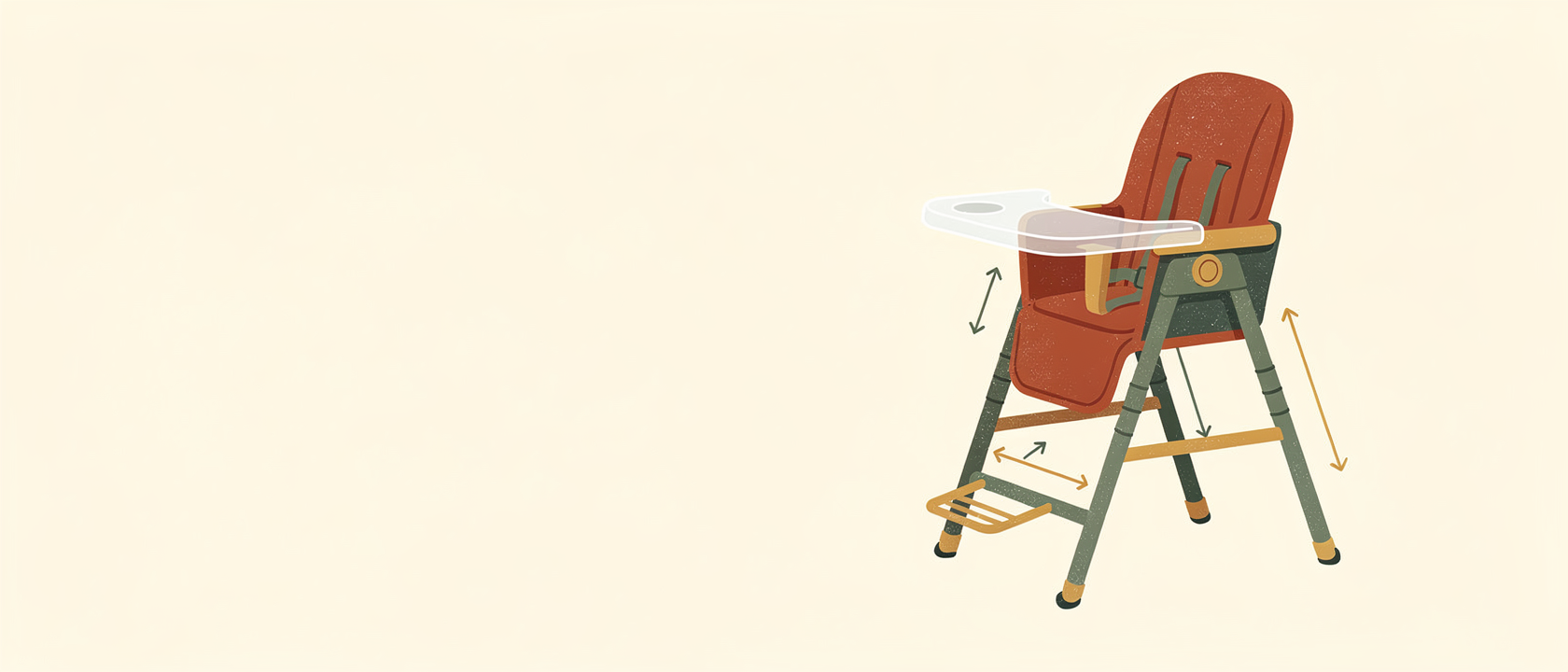
Highchairs span an unusually wide price range for what is, functionally, a chair with a tray. Understanding what changes as the price rises helps you avoid both overpaying for features you won't use and underbuying something that won't last.
The three real categories
Budget fixed highchairs (£25–£45)
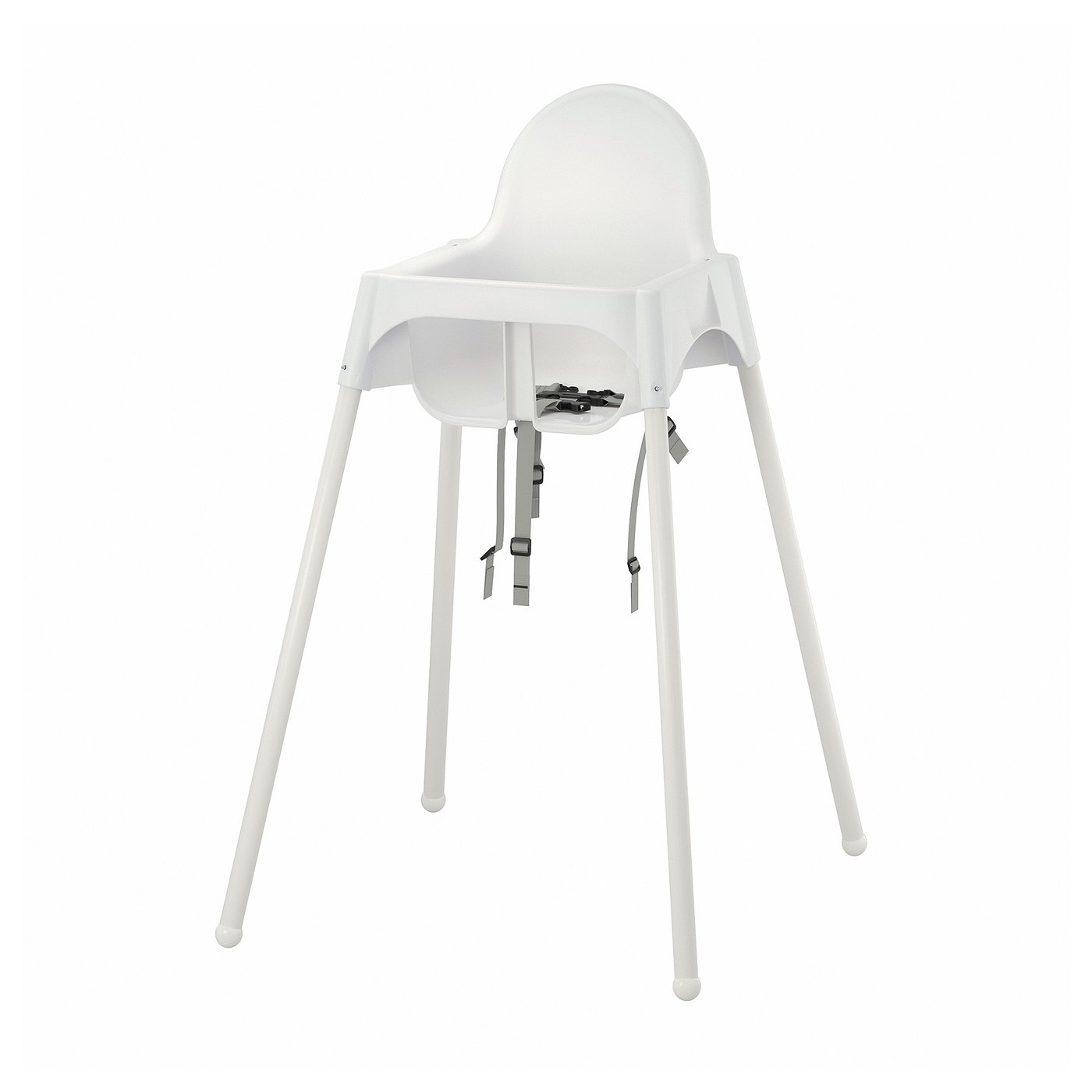
Simple, lightweight, usually with a basic harness and a removable tray. IKEA's ANTILOP is the best-known example in the UK — genuinely fine for most families, especially as a first highchair, though it lacks recline and height adjustment, so it's less useful before around 6 months or once your toddler wants to sit at the table properly.
Adjustable/multi-stage highchairs (£60–£150)
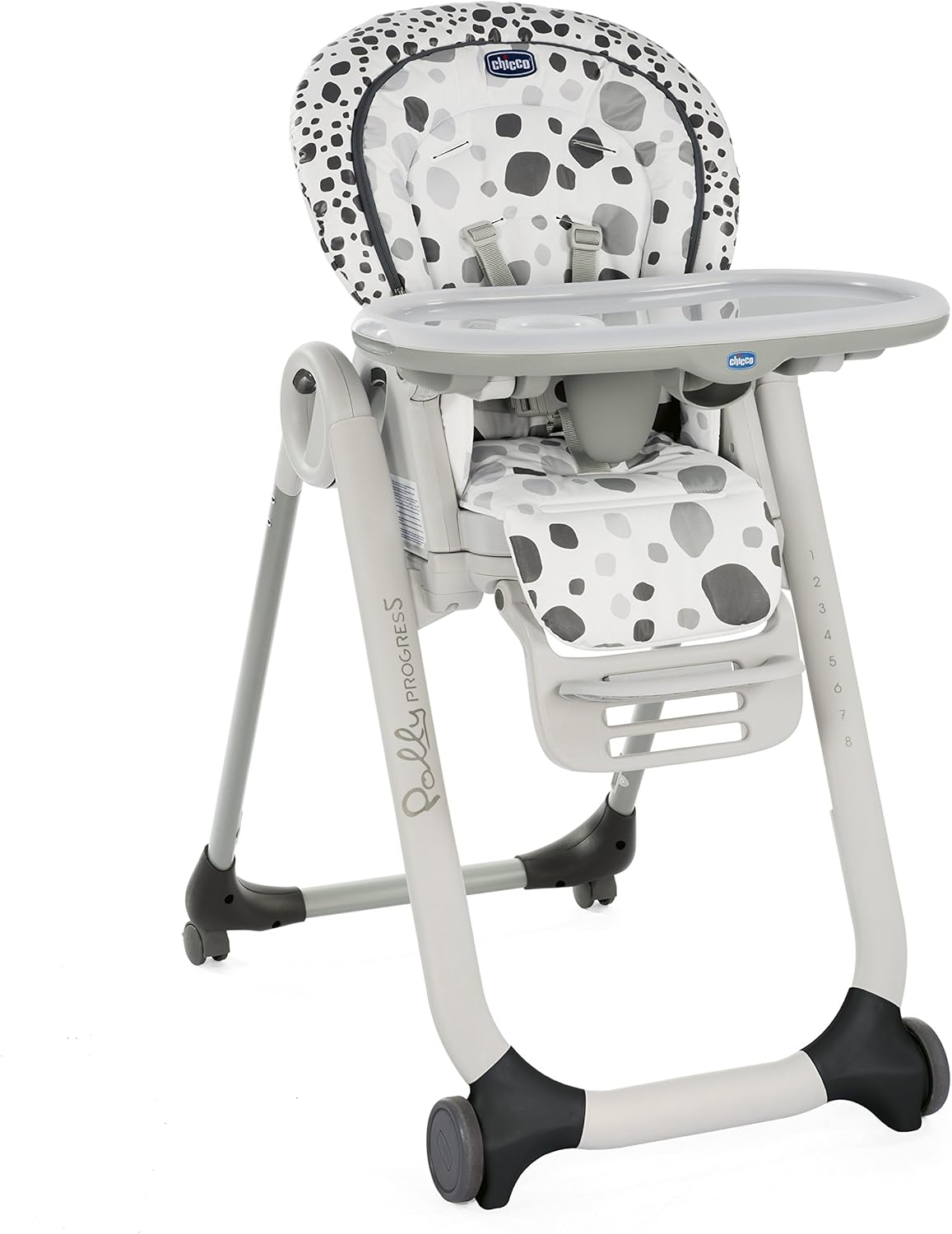
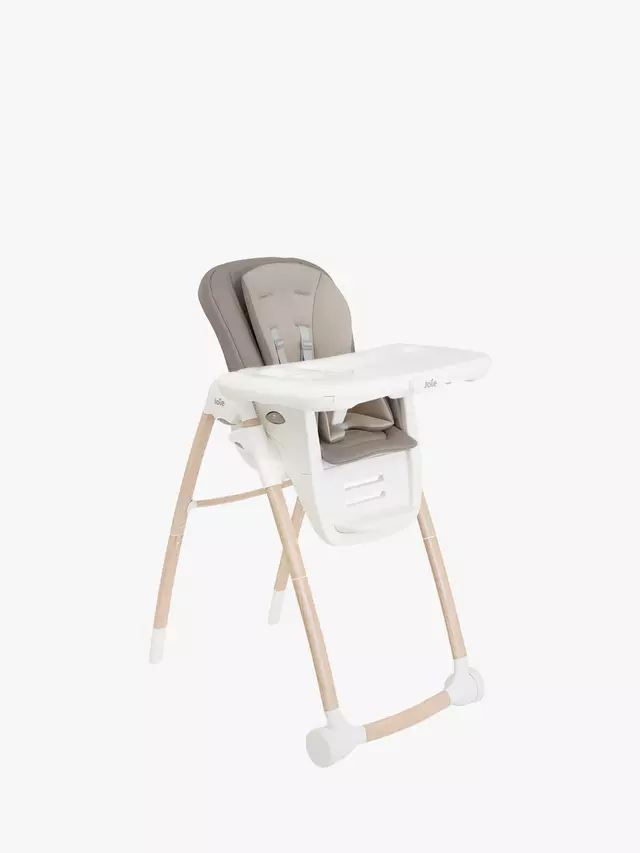
These add height adjustment, recline positions, and sometimes a compact folded footprint — genuinely useful in a small kitchen. Multi-stage chairs (like the Joie Multiply range) convert from a reclined newborn seat through to a toddler chair, extending useful life by years rather than months.
Wooden "grows with baby" chairs (£150–£250+)
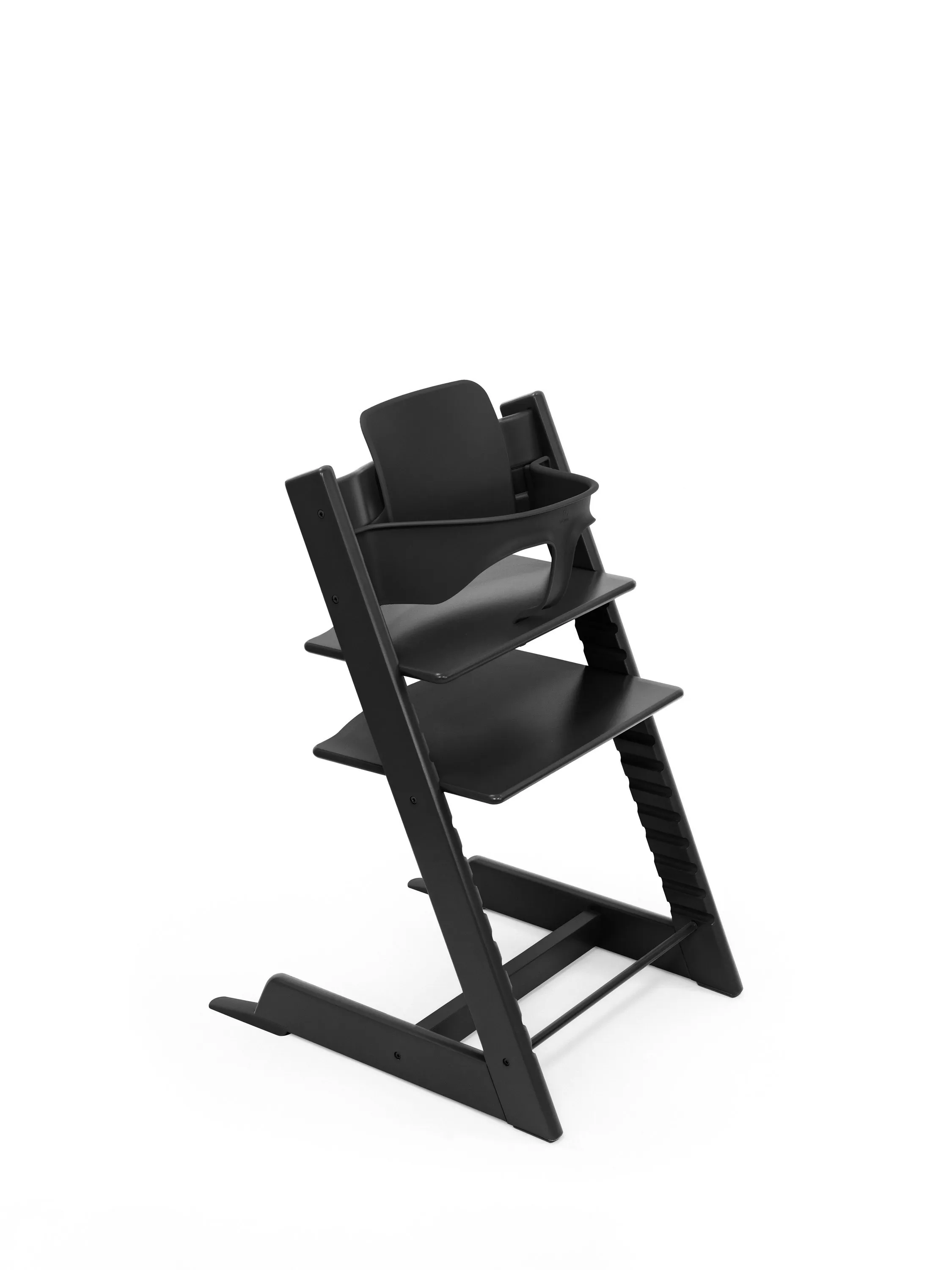
Chairs like the Stokke Tripp Trapp are designed to be used from babyhood through to adulthood, with adjustable seat and footrest depth. The upfront cost is high, but if you have more than one child or want a chair that stays at your dining table for years rather than being outgrown, the cost-per-year works out competitively — and they hold resale value unusually well.
What actually matters, regardless of budget
- A secure, correctly fitted harness — a 5-point harness is safer than a 3-point one, particularly once your baby is mobile and trying to stand or climb.
- Easy cleaning. A wipeable, seamless tray and seat cover matters more day to day than almost any other feature — weaning is messy, repeatedly, for months.
- Stability. A wide base that won't tip if your baby leans or pushes against the table.
- Fit for your space. Measure before buying — some chairs don't fit under standard dining tables once the tray is removed.
What you probably don't need
Reclining positions matter far less once your baby can sit unsupported. Bluetooth-connected "smart" highchairs and elaborate multi-toy attachments add cost without meaningfully improving mealtimes — a plain, stable, easy-to-clean chair does the job.
Our take
For most first-time buyers, a solid mid-range adjustable highchair is the sensible default — enough flexibility to last well into toddlerhood without the wooden chair's upfront cost. If you know you'll have more children, or want a chair that becomes a normal dining chair later, the wooden option is a genuinely good long-term investment rather than an indulgence.
Mentioned in this guide
Frequently asked questions
What age can a baby start using a highchair?+
Most babies can use a reclining or adjustable highchair from around the time they start weaning at 6 months, once they can sit with support. A fixed upright chair like the IKEA ANTILOP is best once your baby can sit unsupported.
Is a 5-point harness necessary?+
It's the safer option, particularly once your baby is mobile and able to push up or twist in the seat — a 3-point harness offers less restraint against standing or climbing.
Are wooden 'grows with baby' highchairs worth the extra cost?+
If you want the chair to last from babyhood into the toddler and child years, or plan to have more children, the cost-per-year is often lower than replacing cheaper chairs as your child outgrows them.
Sources

Written by
Sepehr
Software engineer, soon-to-be dad, uncle to four — the tech-obsessed half of the two of us testing this stuff. Currently building this site with my wife, ahead of our own baby arriving.