How to Choose a Pushchair or Travel System
The pushchair market is huge and confusing on purpose. Here’s how to narrow it down to two or three genuine contenders based on how you’ll actually use it.

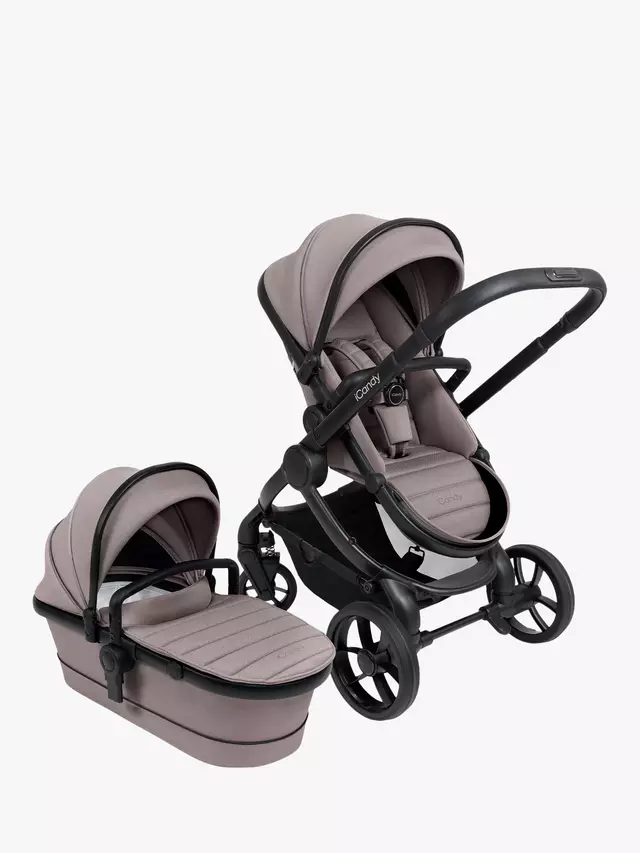
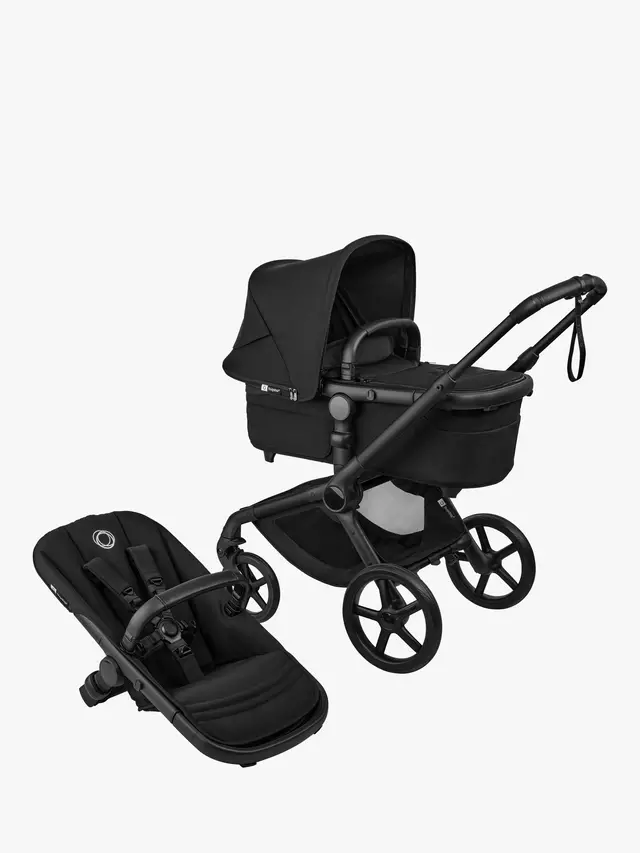
"Travel system" just means a pushchair chassis, a carrycot or seat unit, and a compatible infant car seat that clicks onto the same frame — sold as a bundle or built up piece by piece. Before comparing individual models, it's worth working out what you actually need, because the specs that matter most vary enormously by lifestyle.
The questions that actually narrow the field
Where will you be walking most?
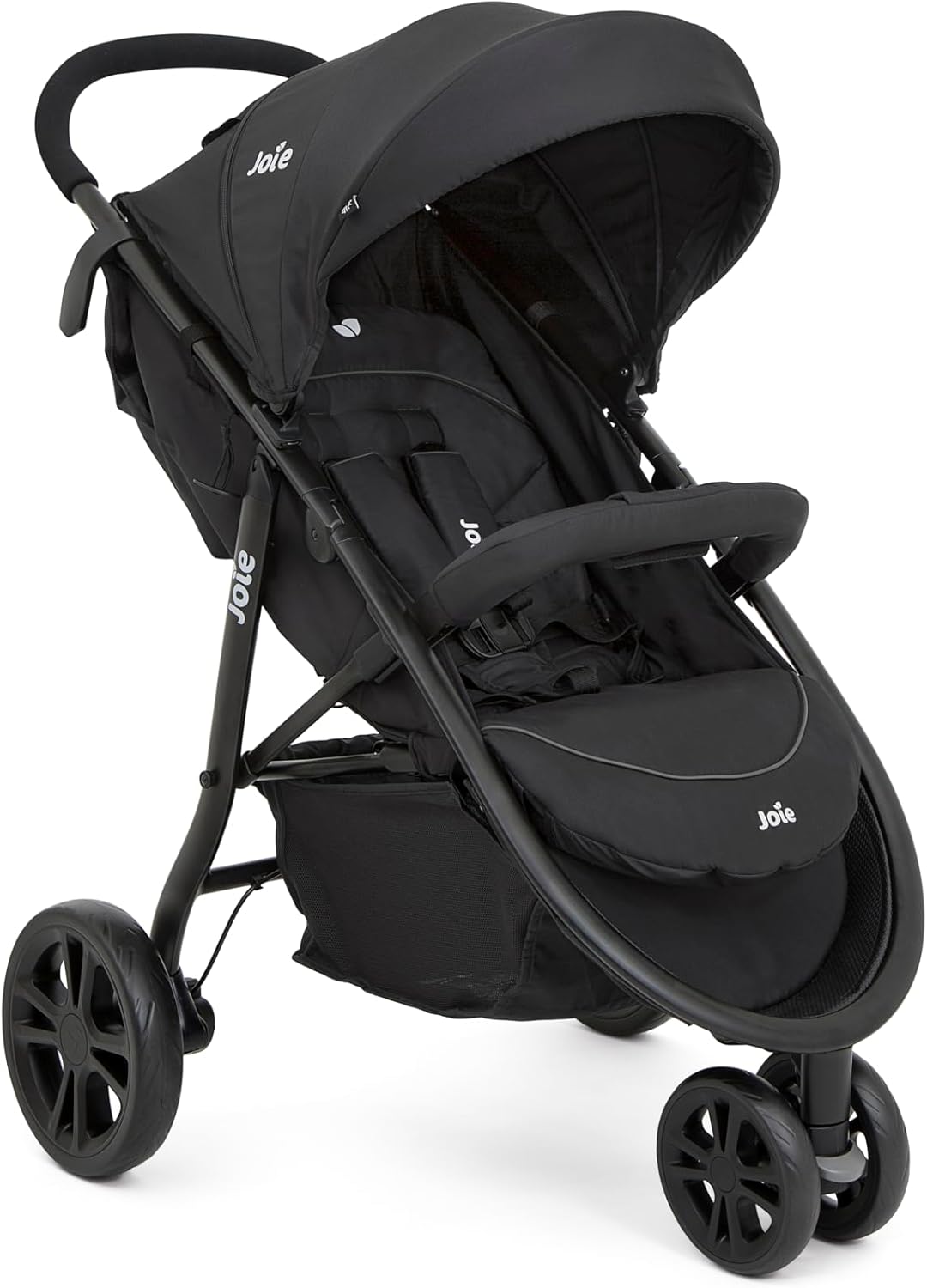
City pavements and lifts favour a compact, lightweight fold that fits through narrow doorways and into small car boots. Rural paths, gravel, or regular countryside walks favour bigger wheels and better suspension, which usually means a heavier, bulkier pushchair.
How many children, and when?
If you're planning a second child reasonably soon, a system that converts to a double (a second seat or carrycot attachment) can be cheaper long-term than buying two separate single pushchairs later, even though the upfront cost is higher.
Car or public transport?
If you'll click the car seat on and off regularly, compatibility and how easily the seat clicks in one-handed genuinely matters day to day. If you're mostly on buses and trains, fold size and one-handed folding matter more than car-seat compatibility.
Newborn use from day one?
Some pushchair seat units aren't suitable for newborns and require a separate carrycot or infant car seat attachment for the first months (NHS and manufacturer guidance both recommend babies lie flat until they can sit unsupported, generally from around 6 months) — check this specifically rather than assuming any pushchair seat is newborn-ready.
The trade-off almost every model makes
Lighter and more compact almost always means less storage space underneath and a smaller suspension travel, which shows on rougher ground. Heavier, premium travel systems with bigger wheels and more storage are noticeably harder to lift into a car boot or up a flight of stairs. There is no pushchair that wins on every dimension — picking two priorities and accepting trade-offs on the rest is more useful than searching for a single "best" model.
A sensible way to shop
- Write down your actual daily routine (car, stairs, terrain, storage) before looking at any specific model.
- Test the fold and unfold in person if at all possible — it's the single biggest source of regret, and reviews can't capture how it feels for your height and grip strength.
- Check car seat compatibility explicitly if you want a true click-in travel system, rather than assuming any car seat fits any chassis.
- Buy secondhand for a first pushchair if budget is tight; frames rarely wear out, though car seats specifically should always be bought new (see below).
One rule that doesn't bend: car seats
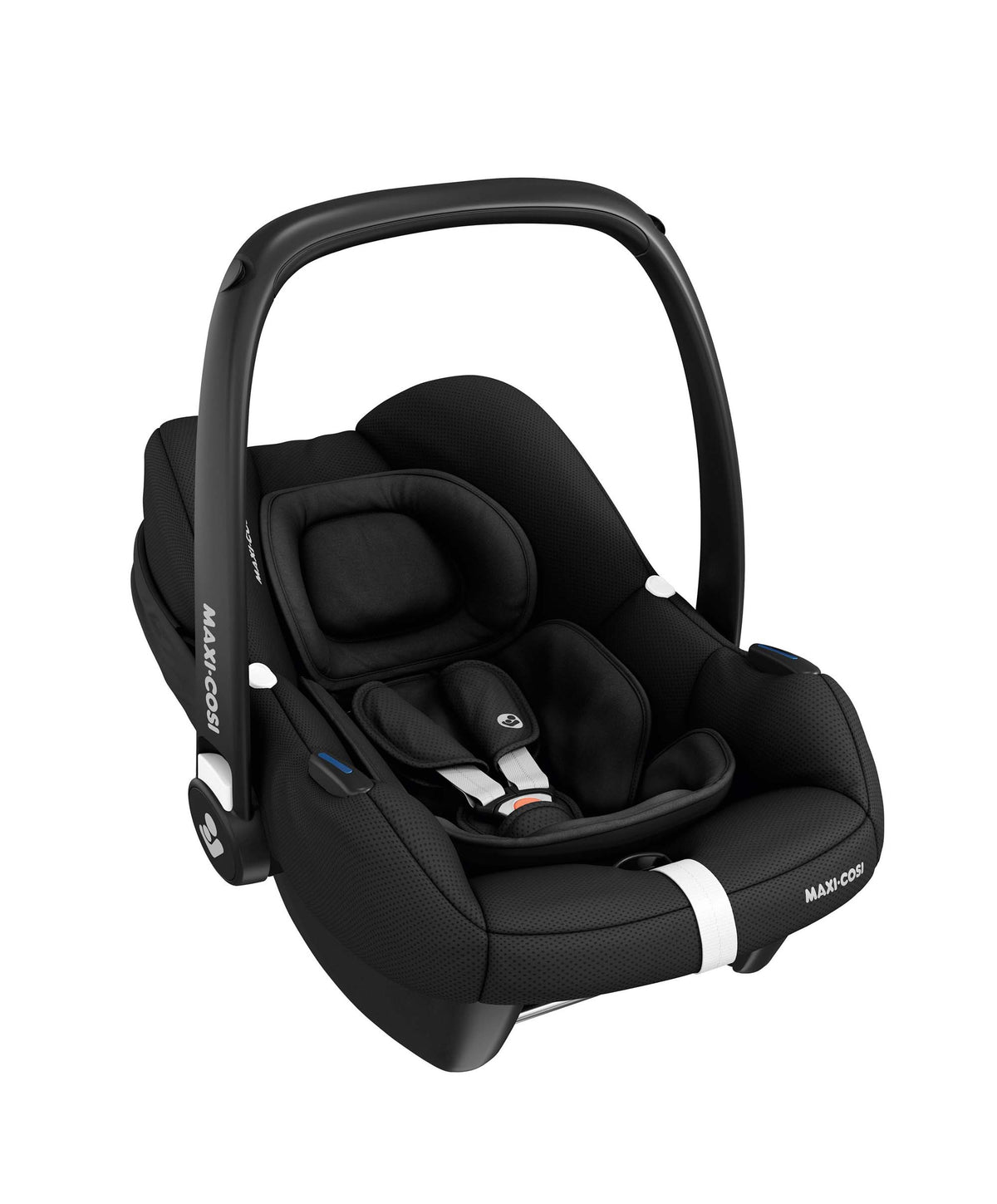
Unlike the pushchair frame, never buy an infant car seat secondhand unless you know its full history — crash history isn't always visible, and seats also have expiry dates (typically 6–10 years from manufacture). This is the one component of a travel system worth buying new regardless of the rest of your budget.
Mentioned in this guide
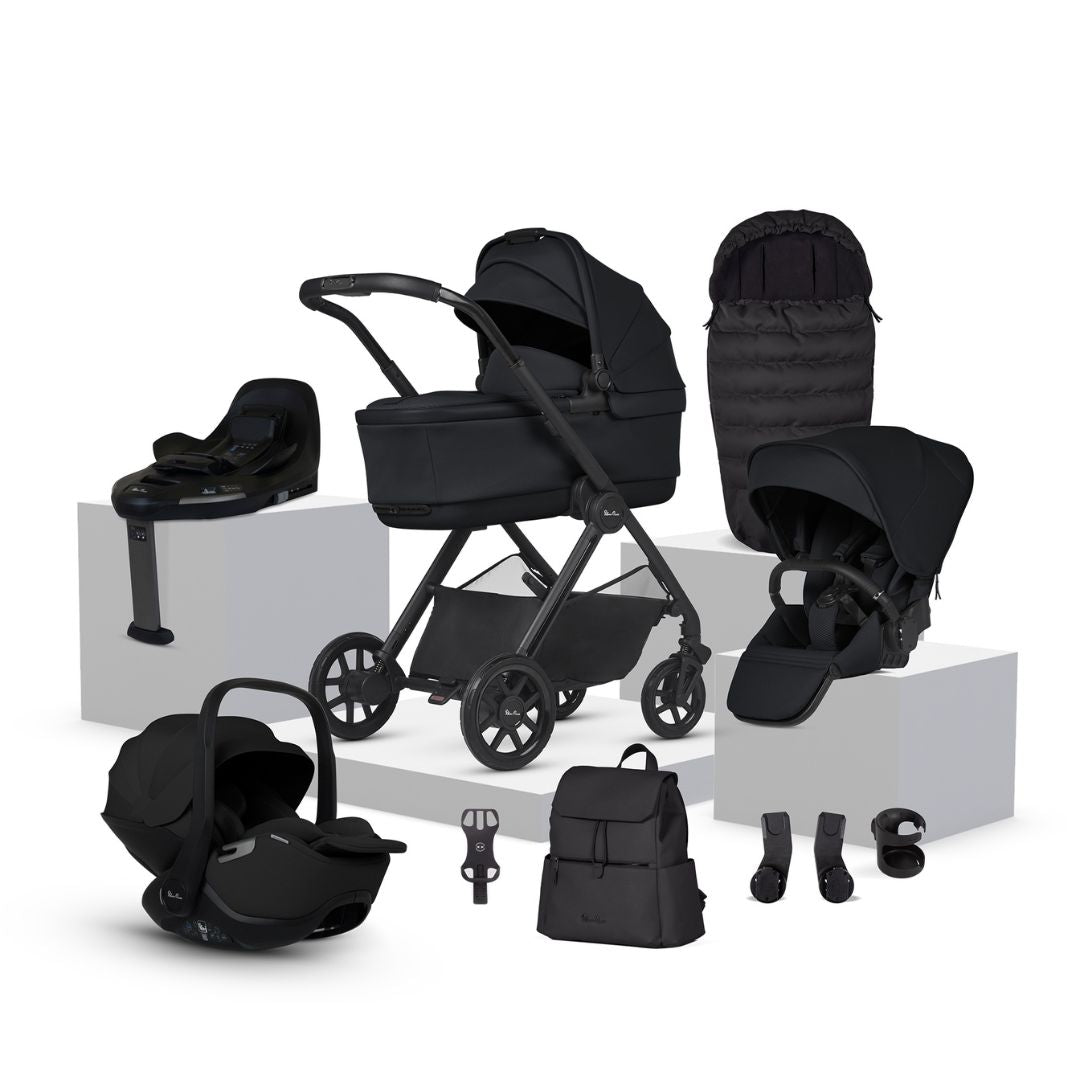
Frequently asked questions
Do I need the car seat, carrycot and pushchair frame from the same brand?+
Not always — many chassis accept car seats and carrycots from other brands via an adaptor, and this is often cheaper than buying a full matching set. Check compatibility lists for your specific chassis before buying components separately.
Is a more expensive pushchair actually better?+
Above a certain price point you’re mostly paying for design details — smoother suspension, larger storage, premium fabrics — rather than fundamentally different function. A mid-range pushchair that suits your actual routine will usually serve you better than an expensive one that doesn’t.
When should I buy the pushchair?+
Most people buy in the third trimester, but ordering earlier (second trimester) is sensible if you want a popular model, since some travel systems have long lead times.
Sources

Written by
Sepehr
Software engineer, soon-to-be dad, uncle to four — the tech-obsessed half of the two of us testing this stuff. Currently building this site with my wife, ahead of our own baby arriving.