How to Swaddle a Newborn Safely
Swaddling works because it recreates the snugness of the womb and dampens the startle reflex. Get the hip position and tog rating wrong, though, and the same technique becomes a real risk.
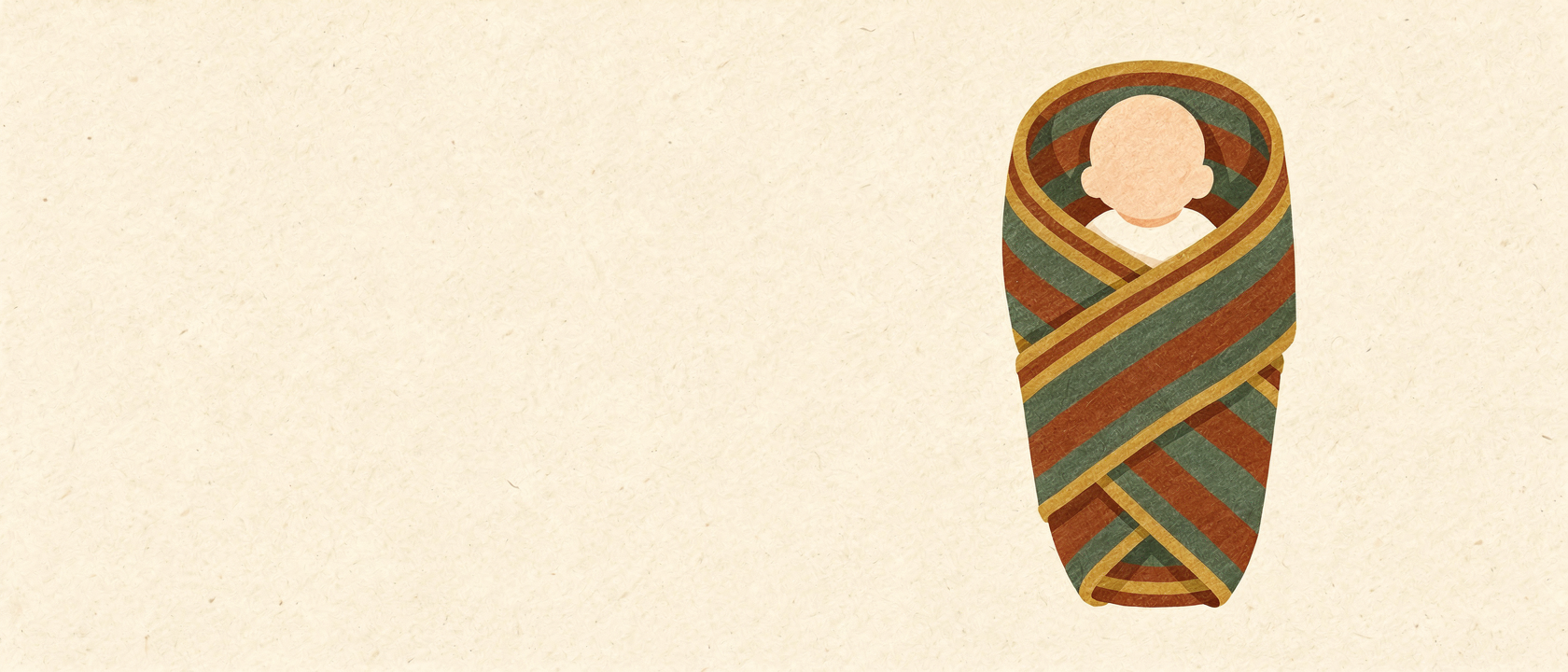
Swaddling — wrapping a newborn snugly in a thin blanket or a fitted swaddle wrap — can genuinely help some babies settle, by muting the startle (Moro) reflex that otherwise wakes them repeatedly. Done incorrectly, it's linked to a higher risk of hip dysplasia and overheating, so the technique matters as much as the decision to do it.
The one rule that matters most: hips loose, arms optional
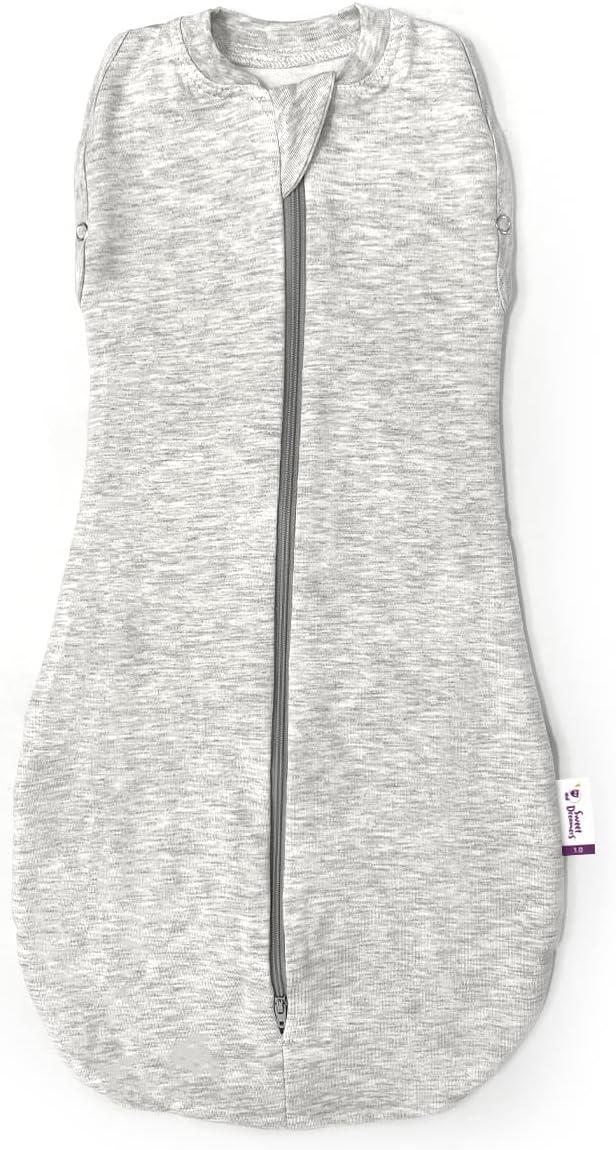
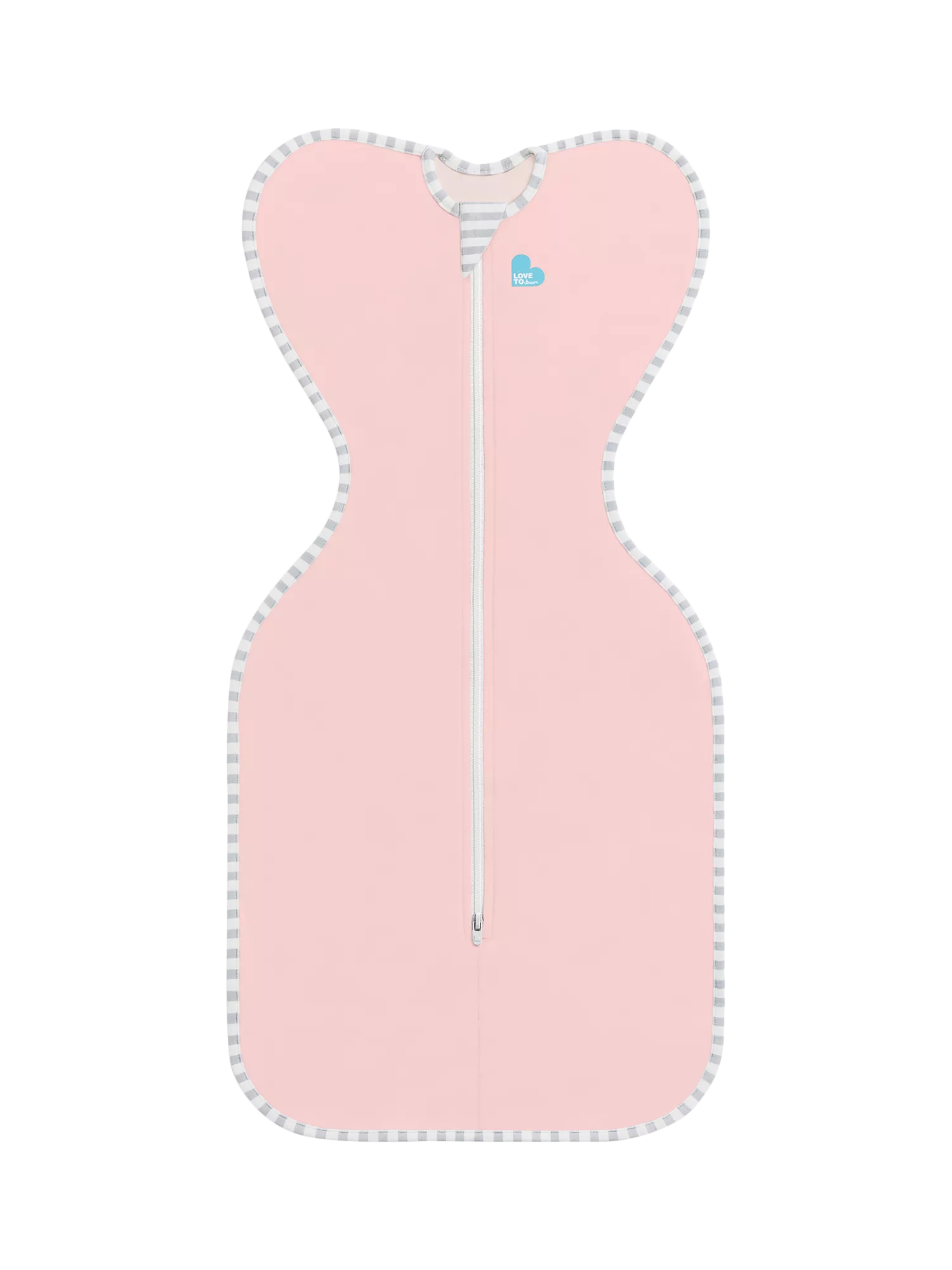
A newborn's hip joints are still developing, and their natural resting position is bent up and out, froglike. A tight swaddle that forces the legs straight and together over weeks can interfere with healthy hip development and increase the risk of developmental dysplasia of the hip. A safe swaddle should be snug around the chest and arms, but loose enough around the hips and legs for your baby to bend their knees up and move their hips apart freely — this is often called "hip-healthy" swaddling, and most modern swaddle products (like Love To Dream's Swaddle UP or ergoPouch's Cocoon) are designed around exactly this shape.
Step by step with a traditional muslin or blanket
- Lay the blanket in a diamond shape, fold the top corner down slightly.
- Lay your baby on their back with shoulders just below the fold.
- Bring one side across the body and tuck under the opposite side, leaving that arm either in or gently free.
- Fold the bottom up loosely, leaving room for hips and knees to bend and splay.
- Bring the final corner across and tuck — the finished swaddle should be snug at the chest, loose at the hips.
If a manual wrap feels fiddly at 2am, a fitted swaddle bag with a wide, sack-like lower half removes the guesswork entirely and is the more reliable option for most parents.
When to stop swaddling arms in
Stop swaddling with arms restricted as soon as your baby shows signs of rolling, typically around 3–4 months, but sometimes earlier. A swaddled baby who rolls onto their front cannot free their arms to push up or turn their head, which is a serious suffocation risk. Products like Swaddle UP are designed with an "arms up" position specifically to transition more safely, and most swaddle brands offer a arms-free or transitional version for exactly this stage.
Overheating and tog rating
A swaddle is worn instead of, not on top of, a normal blanket. Check the tog rating against room temperature the same way you would a sleeping bag, and dress your baby in light layers underneath — a swaddled baby who's also in a thick sleepsuit under a 2.5 tog swaddle in a warm room is a genuine overheating risk.
Is swaddling right for every baby?
Not every baby likes it, and that's fine — some settle better with arms free from birth. It's worth trying for a few nights before deciding it's not for your baby, since the startle-reflex benefit is often not obvious on night one.
Mentioned in this guide

Frequently asked questions
Can swaddling cause hip problems?+
Only if the legs are wrapped tight and straight. A swaddle that leaves the hips and knees free to bend and splay outward doesn't carry this risk — look for products described as hip-healthy or hip-safe.
What age should I stop swaddling?+
Stop swaddling with arms restricted as soon as your baby shows any sign of trying to roll, commonly 3-4 months but it varies. Switch to an arms-free sleeping bag from that point.
Can I swaddle for naps as well as nighttime?+
Yes, the same safety rules apply for naps as for night sleep — hip-safe position, appropriate tog for room temperature, and always on the back.
Sources

Written by
Sepehr
Software engineer, soon-to-be dad, uncle to four — the tech-obsessed half of the two of us testing this stuff. Currently building this site with my wife, ahead of our own baby arriving.