Introducing Common Allergens Safely: The Updated NHS Guidance
Delaying allergenic foods used to be common advice. It's now the opposite — here's why, and how to do it safely.
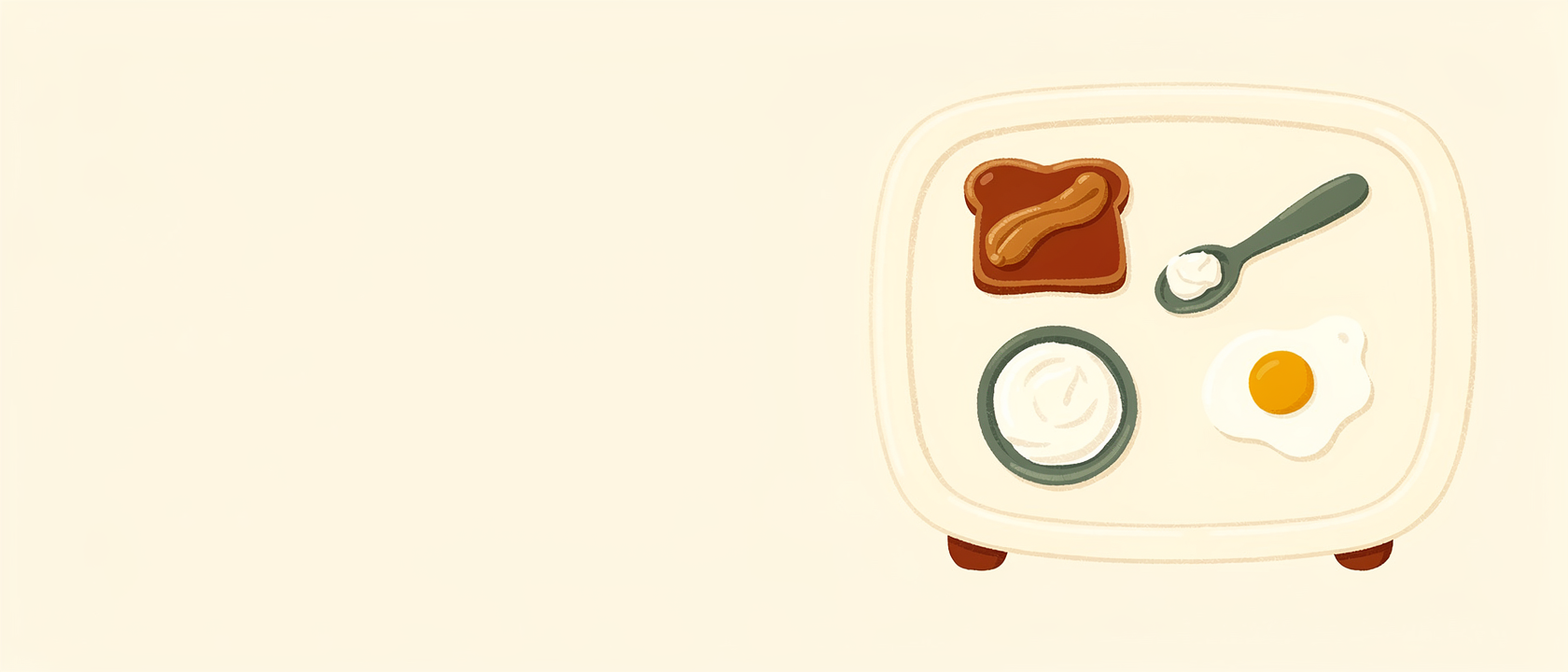
Guidance on introducing allergenic foods has changed meaningfully over the past decade. Older advice favoured delaying foods like egg and peanut; current NHS guidance is the opposite — introducing common allergens early, alongside other first foods, is now associated with a lower risk of developing an allergy to that food.
What changed, and why
Large clinical trials (notably the LEAP study on peanut introduction) found that early, regular exposure to allergenic foods reduced the rate of allergy development in study populations, compared to delayed introduction. This shifted UK and international guidance away from avoidance and toward early, deliberate introduction as part of normal weaning.
The common allergens to introduce
The NHS lists these as foods to introduce, one at a time, from around 6 months alongside other first foods: cows' milk (in cooking, not as a main drink before 12 months), eggs (well-cooked), foods containing gluten (wheat, barley, rye), peanuts and other nuts (as a smooth butter or ground into other food — never whole nuts, a choking hazard), sesame, soya, fish, and shellfish (well-cooked).
How to introduce them safely
- One new allergen at a time, ideally with a few days' gap before the next, so you can identify the cause if a reaction occurs
- At home, during the day rather than at nursery or when out, for the first introduction of each new allergen — so you're able to respond and monitor
- Small amount first, then build up the quantity gradually over subsequent offerings
- Correct texture for age — smooth peanut butter or nut butter mixed into puree or on toast fingers, never whole or chopped nuts, which are a choking hazard regardless of allergy status
What a reaction can look like
Mild reactions include a rash around the mouth, mild hives, or an upset stomach — these are worth noting and mentioning to your GP, and typically mean avoiding that food until you've had guidance, rather than a 999 emergency. Signs of a severe (anaphylactic) reaction — swelling of the face, lips or tongue, difficulty breathing, wheezing, or sudden paleness/floppiness — need immediate emergency care (call 999).
If your baby has eczema or a known food allergy already
The NHS specifically advises that babies with severe eczema or an existing food allergy are at higher risk of also developing a food allergy, and recommends talking to your GP or health visitor before introducing egg and peanut specifically, so introduction can be planned and, if appropriate, medically supervised.
The practical takeaway
Don't delay allergenic foods out of caution — current evidence points the other way. Introduce them early, one at a time, at home, in age-appropriate textures, and know what a reaction (mild or severe) looks like before you start.
Mentioned in this guide
Frequently asked questions
Should I delay introducing peanut if there's no family history of allergy?+
No — current NHS guidance recommends introducing peanut (as a smooth butter, never whole nuts) around 6 months alongside other first foods, regardless of family history, unless your baby has severe eczema or an existing food allergy, in which case speak to your GP first.
What does a mild allergic reaction look like versus a severe one?+
Mild reactions typically involve a rash around the mouth, hives, or an upset stomach. Severe (anaphylactic) reactions involve facial or tongue swelling, breathing difficulty, or sudden floppiness — these need an immediate 999 call.
Can I introduce more than one allergen on the same day?+
It's better to introduce one at a time with a few days between each, so that if a reaction happens, you can identify which food caused it.
Sources

Written by
Sepehr
Software engineer, soon-to-be dad, uncle to four — the tech-obsessed half of the two of us testing this stuff. Currently building this site with my wife, ahead of our own baby arriving.