Nappy Changing: How Often, and What's Actually a Problem
Nappy output tells you more about how feeding is going than almost anything else. Here's what to expect, and what's worth mentioning to your health visitor.
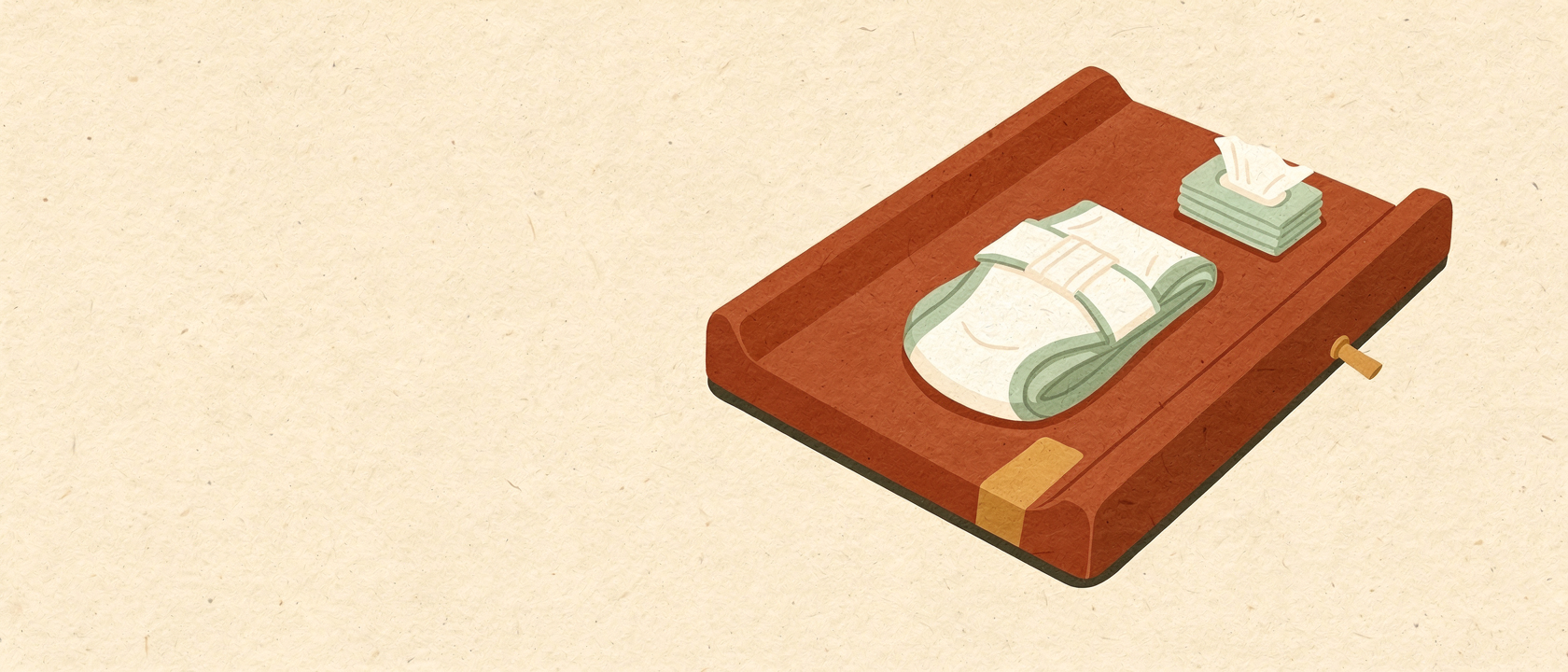
Newborn nappies are, unglamorously, one of the best day-to-day indicators that feeding is going well — which is why midwives and health visitors ask about them so specifically in the first weeks.
How often to change
Roughly every 2–3 hours, or whenever a nappy is wet or soiled, which in the newborn weeks can mean 10–12 changes a day. This settles down as your baby gets older and their bladder capacity increases.
What normal output looks like, by day
- Days 1–2: Dark, sticky black-green meconium (the first stools) and just 1–2 wet nappies a day.
- Days 3–4: Stools transition to a lighter green-brown, wet nappies increase to 3–4 a day as milk supply/feeding establishes.
- Day 5 onwards: Yellow, seedy stools (breastfed) or slightly firmer tan stools (formula), and 6+ heavy wet nappies a day — this is the key benchmark health visitors look for as a sign of adequate feeding.
Nappy rash: normal, and when it's more than that
Mild redness is extremely common and usually responds to more frequent changes, a barrier cream, and some nappy-free time to let skin air. See a GP if the rash is broken/blistered, spreading beyond the nappy area, doesn't improve after a few days of home care, or is accompanied by a fever — this can indicate a fungal or bacterial infection needing treatment beyond a standard barrier cream.
Stool changes worth mentioning
Occasional variation is normal, but tell your health visitor or GP about: persistently very hard, pale, or white stools (possible sign of a liver issue), stools with visible blood, or very few wet nappies over a full day (possible sign your baby isn't feeding enough). None of these are common, but they're the specific things worth flagging rather than worrying about.
Choosing nappies and wipes
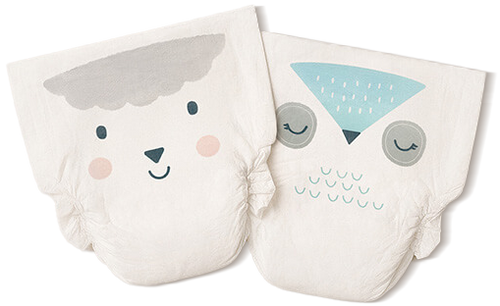
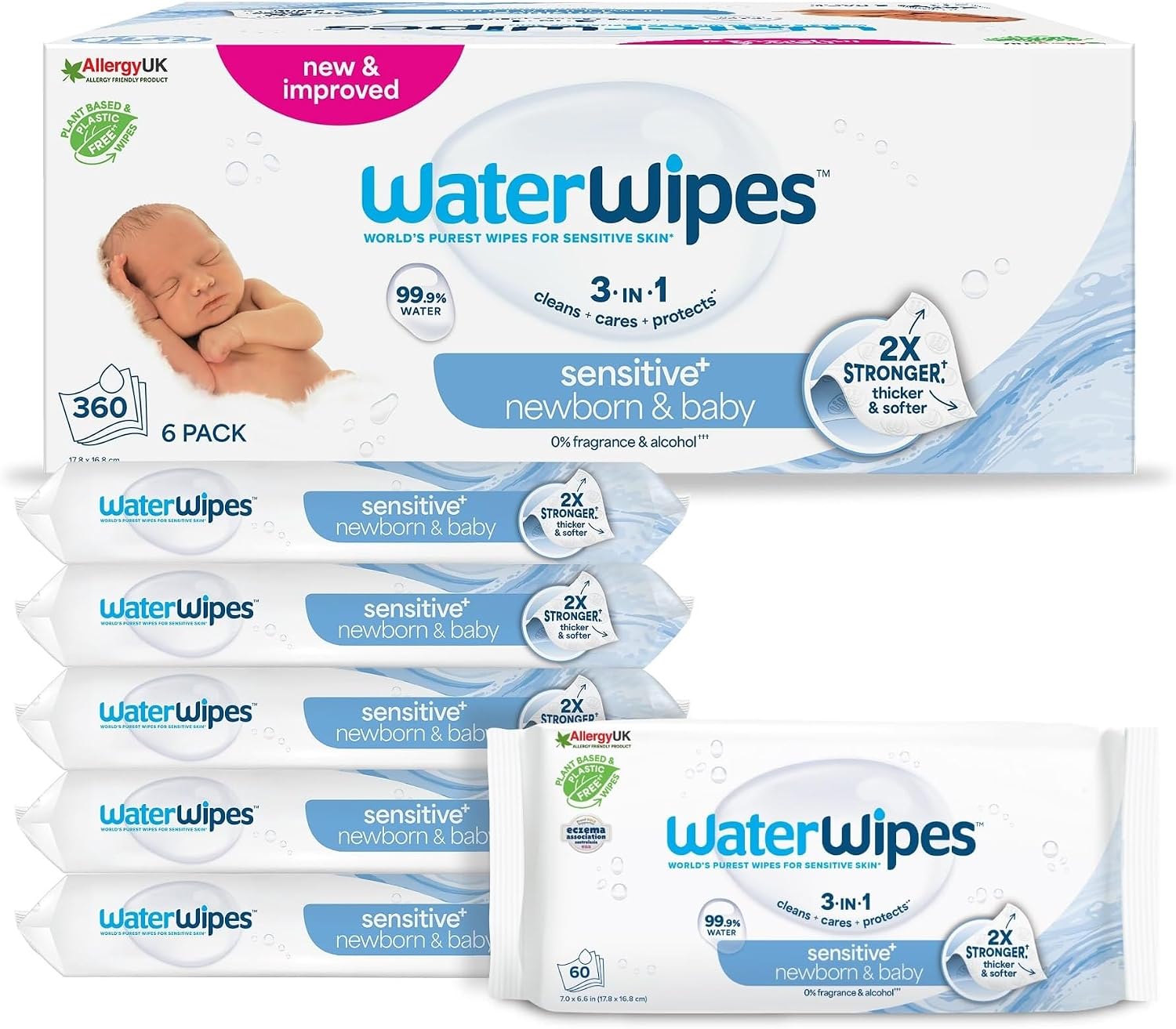
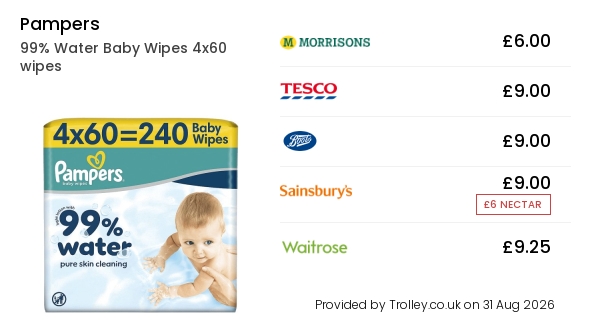
Newborn skin is more sensitive than it will be later, so fragrance-free wipes (or plain cotton wool and water, which the NHS suggests for the first weeks) are the gentler choice initially. Nappy absorbency and fit matter more than brand loyalty — if you're getting leaks at the leg or back consistently, it's usually a sizing issue rather than a quality one, worth sizing up even if your baby's weight is still within the current size's range.
Mentioned in this guide
Frequently asked questions
How many wet nappies should a newborn have?+
By day 5 onwards, 6 or more heavy wet nappies a day is the benchmark health visitors look for as a sign of good feeding.
Is green poo normal in a newborn?+
Yes, particularly in the first week as stools transition from meconium. Green can also occur later with certain formulas or if a breastfed baby gets more foremilk than hindmilk in a feed — usually not a concern on its own.
What should I use to clean a newborn's nappy area?+
Cotton wool and warm water, or fragrance-free wipes, are gentlest for the first few weeks while skin is most sensitive.
Sources

Written by
Sepehr
Software engineer, soon-to-be dad, uncle to four — the tech-obsessed half of the two of us testing this stuff. Currently building this site with my wife, ahead of our own baby arriving.