Trying to Conceive with PCOS: What Actually Changes
PCOS makes standard ovulation tracking advice unreliable in specific, predictable ways. Here's what actually changes, and what genuinely helps instead.
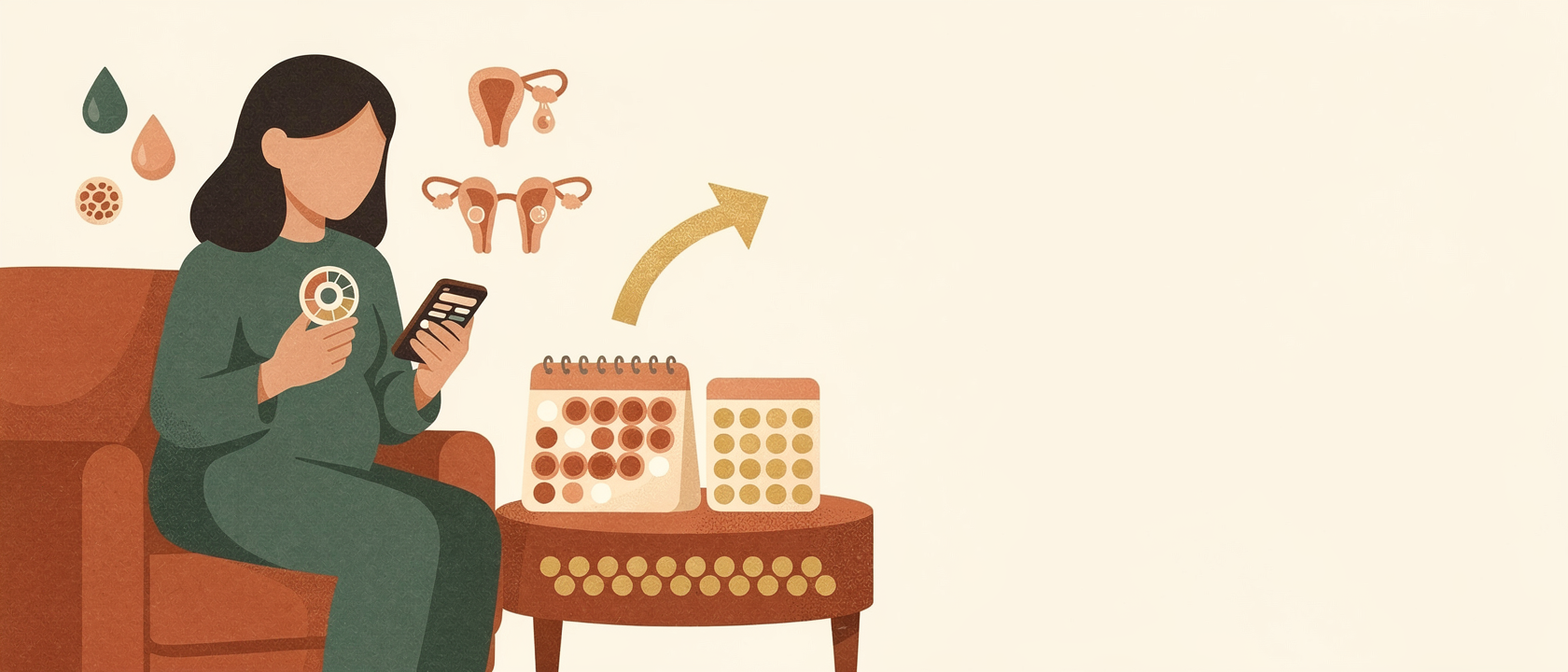
Polycystic ovary syndrome (PCOS) affects an estimated 1 in 10 women in the UK, and it's one of the most common reasons standard fertility-tracking advice stops working the way it's supposed to. Here's what genuinely changes when you're trying to conceive with PCOS, and where to focus your effort instead.
Why LH tests can be unreliable with PCOS
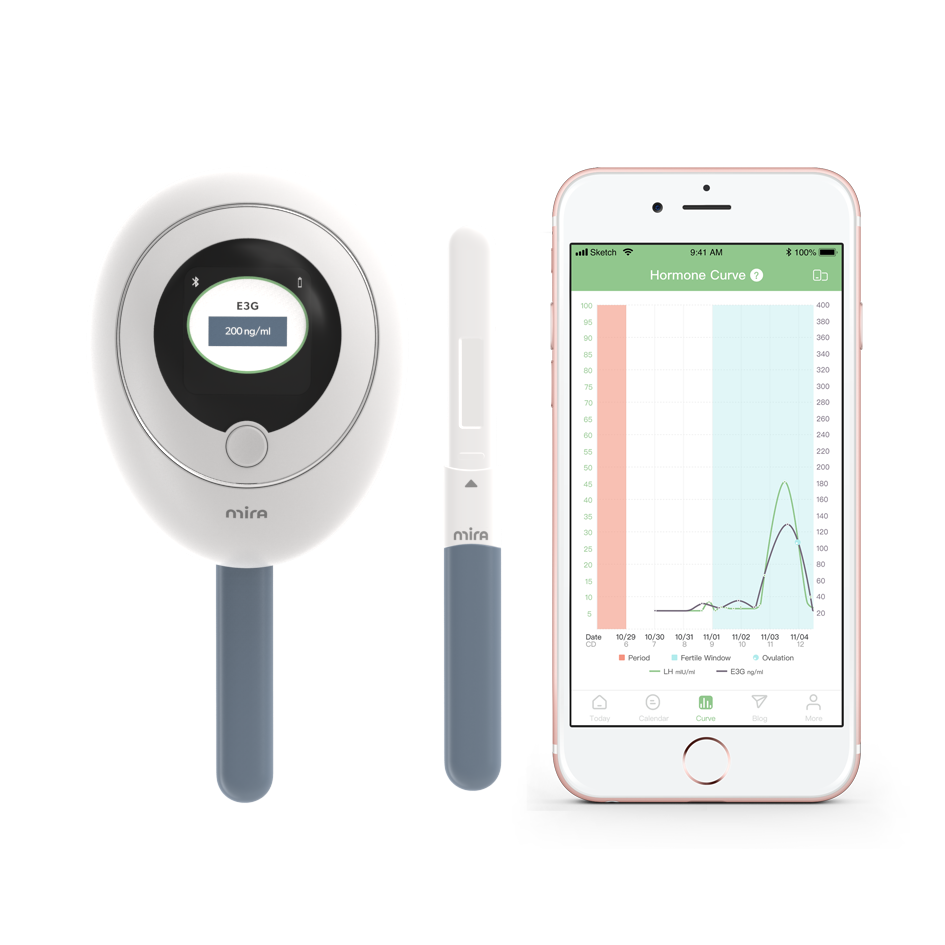
Standard ovulation tests detect a surge in luteinizing hormone (LH). PCOS is often associated with consistently elevated baseline LH levels, which means test strips can show a "positive" or near-positive result on many days of the cycle, not just around genuine ovulation — making it genuinely hard to tell a true surge from your normal baseline. Some people with PCOS never get a clear surge reading at all, even in cycles where they do ovulate.
What tends to work better instead
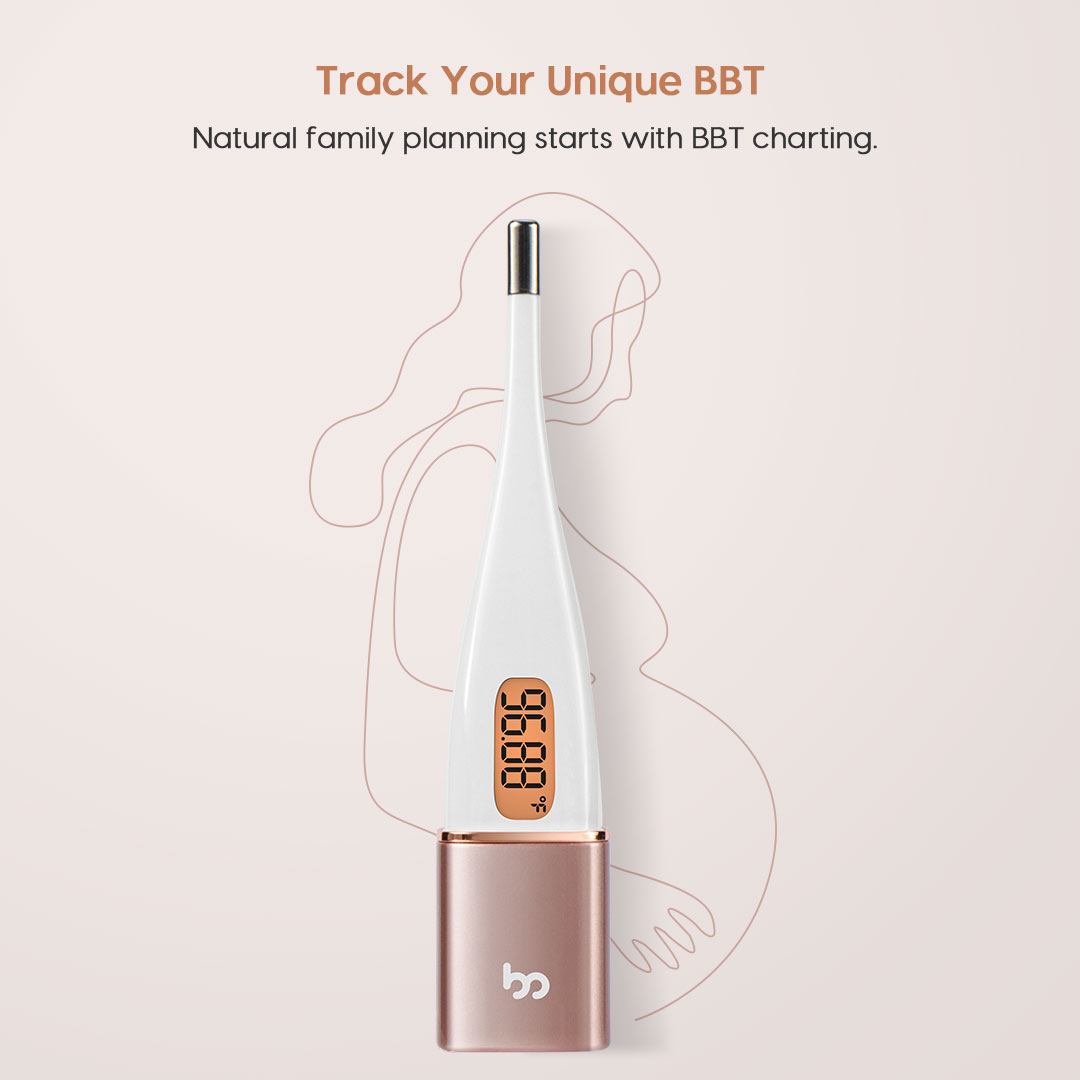
- Basal body temperature (BBT) tracking over several cycles, since the post-ovulation temperature rise happens regardless of LH pattern irregularities, and confirms ovulation happened even when LH tests are ambiguous.
- Longer-window LH testing — rather than a narrow few days, testing across most of the cycle to spot a genuine spike above your unusually high baseline.
- Tracking other PCOS-related signs, like cervical mucus changes, since these still shift around ovulation even when hormone tests are harder to interpret.
Irregular or absent periods
PCOS commonly causes irregular, infrequent, or absent periods, because ovulation itself is irregular or, in some cycles, doesn't happen at all (anovulation). This is the core reason conception can take longer with PCOS — you can't time intercourse around ovulation you can't reliably detect or that isn't happening that cycle. The NHS notes that many people with PCOS do go on to conceive, sometimes with support such as medication to help trigger ovulation, but it often takes patience and, for some, medical support beyond what home tracking alone can offer.
When to see a GP
The NHS advises seeing a GP after a year of trying with regular unprotected sex generally, but if you already know or suspect you have PCOS, it's worth raising it with a GP earlier, since PCOS-specific support (including medication that can help trigger regular ovulation) is available and can meaningfully improve your chances rather than waiting out a full year of uncertain tracking.
Lifestyle factors that genuinely help
For people with PCOS who are also above a healthy weight range, even a modest weight reduction (5-10% of body weight) has been shown to improve ovulation regularity in some cases — this is one of the few lifestyle interventions with a reasonably solid evidence base specifically for PCOS-related fertility, worth discussing with a GP rather than following generic conception advice.
Mentioned in this guide
Frequently asked questions
Can you get pregnant naturally with PCOS?+
Yes — many people with PCOS conceive without medical intervention, though it can take longer due to irregular or absent ovulation. Some also benefit from medical support such as ovulation-inducing medication.
Are fertility apps useless with PCOS?+
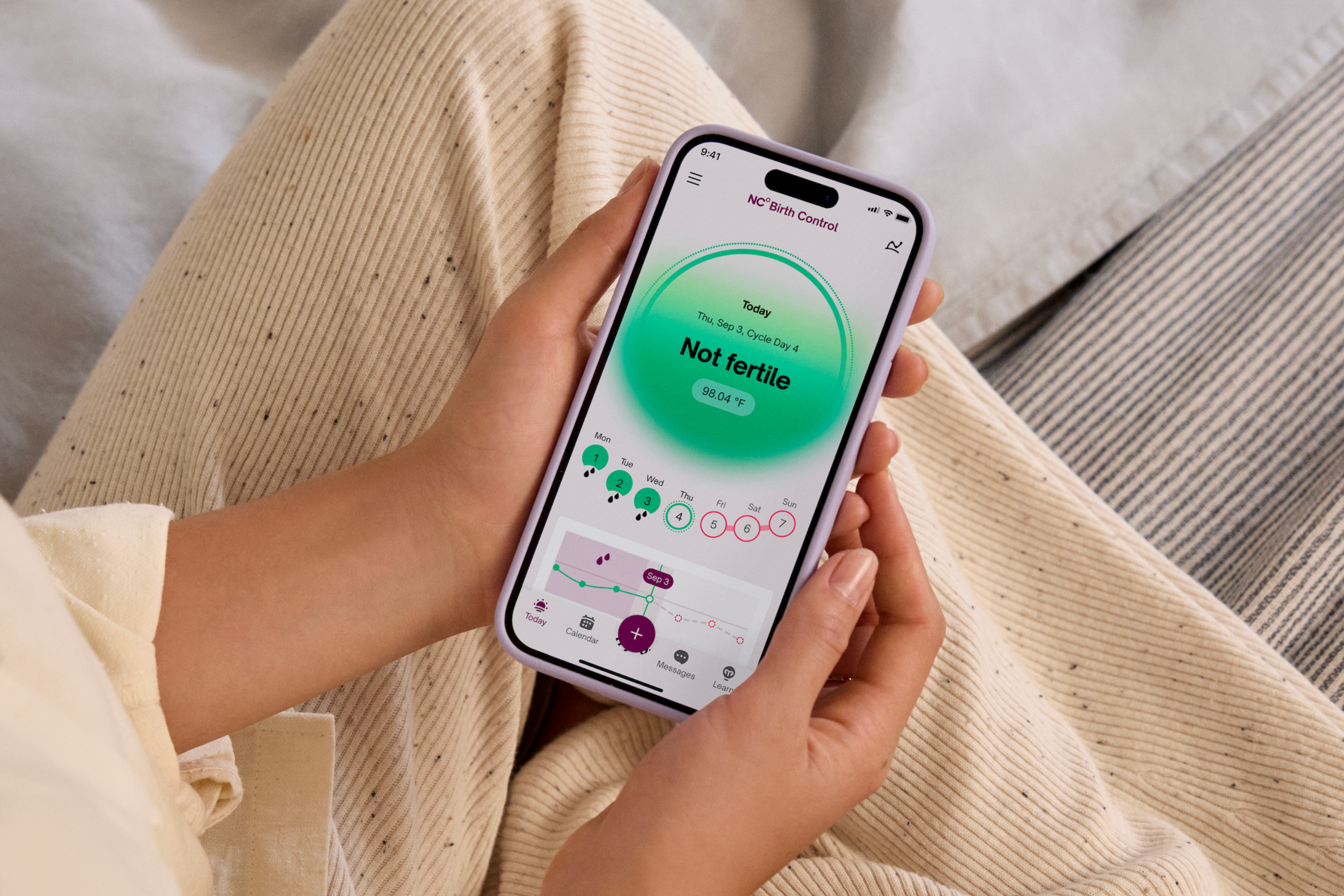
Not useless, but less accurate on prediction alone since they typically rely on regular cycle patterns. Apps that incorporate basal body temperature or hormone data (rather than just calendar dates) tend to perform better for irregular cycles.
Does PCOS affect pregnancy once conceived?+
PCOS is associated with a somewhat higher risk of certain pregnancy complications like gestational diabetes, which is why NHS antenatal care for people with PCOS often includes additional monitoring — worth flagging to your midwife at your booking appointment.
Sources

Written by
Sepehr
Software engineer, soon-to-be dad, uncle to four — the tech-obsessed half of the two of us testing this stuff. Currently building this site with my wife, ahead of our own baby arriving.