Perineal Massage in the Third Trimester: Does It Actually Help?
Perineal massage has real evidence behind it, not just tradition. Here’s what it can realistically change, and how the NHS suggests doing it.
Perineal massage — gently stretching the tissue between the vagina and anus in the weeks before birth — is one of the few third-trimester preparation practices with reasonably solid evidence behind it, rather than being purely traditional advice. It won't guarantee an intact perineum, but the research consistently points the same direction.
What the evidence actually shows
Studies on regular perineal massage from around 34–35 weeks show it's associated with a reduced likelihood of perineal tearing and reduced need for an episiotomy during a first vaginal birth specifically. The effect is more consistently shown for first-time vaginal births than for people who've given birth vaginally before, where the tissue has already stretched previously.
How it's typically done
- Start from around 34–35 weeks, roughly 5–6 weeks before your due date.
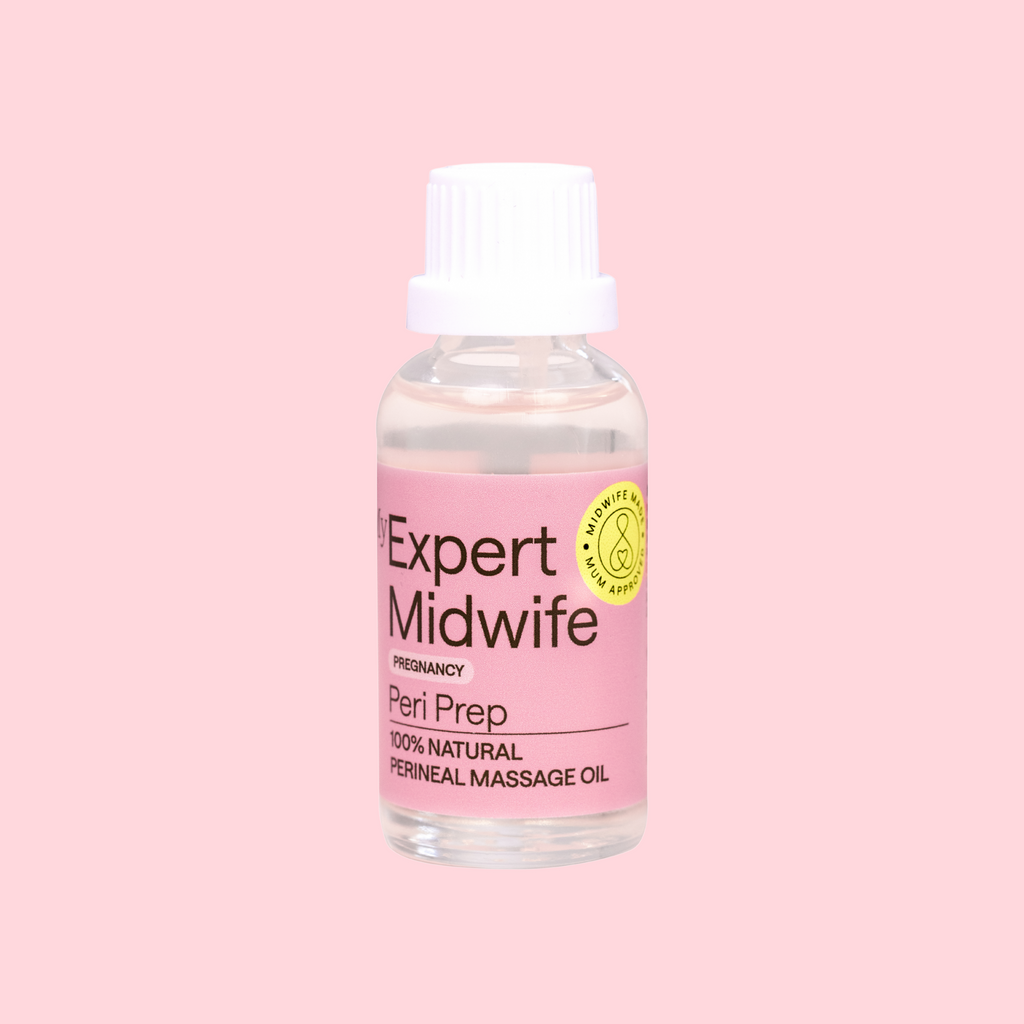
- Use a lubricant or specific perineal massage oil/balm — plain, unscented options are generally recommended over anything perfumed, which can irritate sensitive skin.
- With clean hands, gently insert a thumb (or have a partner use a finger) a short way into the vagina and apply steady, gentle pressure downward and to the sides, holding for a minute or two, rather than a brisk rubbing motion.
- Aim for a few minutes, a few times a week — consistency matters more than duration in any single session.
- Stop if it's painful rather than just mildly uncomfortable; gentle stretching, not forcing, is the goal.
Who might want to skip it
If you have a vaginal infection, herpes outbreak, or your midwife has advised against it for a specific reason, skip it and ask for guidance instead. It's also simply optional — plenty of people give birth without ever trying it, and choosing not to do it isn't a risk factor you need to worry about on its own.
What it doesn't guarantee
Tearing during birth depends on many factors beyond tissue elasticity — baby's position and size, how labour progresses, whether you have an assisted delivery — and perineal massage reduces likelihood rather than eliminating risk entirely. It's worth doing as one sensible, evidence-backed preparation step, not as a guarantee against tearing.
After the birth
Whether or not you tear, perineal comfort in the days after birth matters regardless — cooling pads, a soft-cushion to sit on, and good hygiene all help recovery, alongside any stitches healing as advised by your midwife.
Mentioned in this guide
Frequently asked questions
When should I start perineal massage?+
The evidence base is strongest for starting around 34–35 weeks and continuing a few times a week until birth. Starting earlier hasn’t been shown to add extra benefit.
Can my partner do it instead of me?+
Yes, either works — some people find it easier for a partner to do given the angle and reach involved in late pregnancy, especially with a large bump.
Does perineal massage hurt?+
Some stretching sensation and mild discomfort is normal and expected — sharp pain is not, and is a sign to stop and ease off the pressure.
Sources

Written by
Sepehr
Software engineer, soon-to-be dad, uncle to four — the tech-obsessed half of the two of us testing this stuff. Currently building this site with my wife, ahead of our own baby arriving.