Postpartum Recovery: What the First Few Weeks Actually Involve
Postpartum recovery gets far less airtime than birth itself, despite lasting weeks. Here's a realistic picture of what's normal, and what isn't.

So much of pregnancy content stops at birth, which leaves a lot of new parents unprepared for what recovery actually involves. Here's a grounded picture of the first few weeks.
Bleeding (lochia)
Vaginal bleeding after birth, called lochia, is normal for up to 6 weeks — heaviest and brightest red for the first few days, gradually lightening to pink/brown, then a yellowish-white discharge before stopping. Use maternity pads, not tampons, for the first 6 weeks, since tampons increase infection risk while the uterus and any tears are healing. Sudden heavier bleeding, large clots, or bleeding with a strong odour or fever needs urgent medical attention — these can indicate an infection or retained placental tissue.
Physical soreness
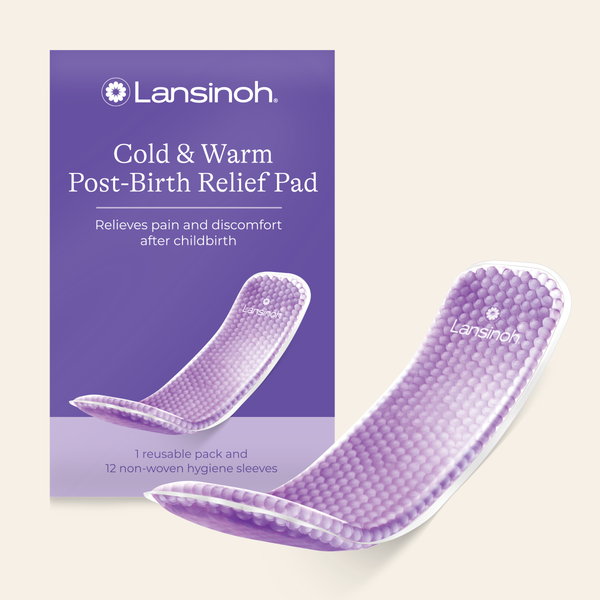
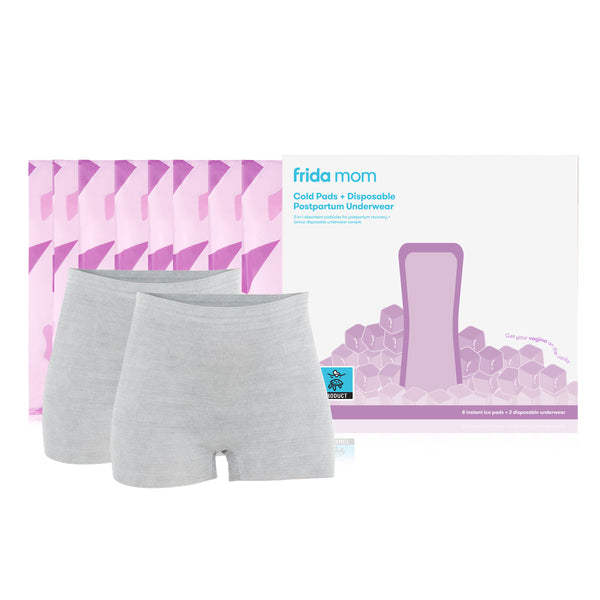
Perineal soreness (with or without stitches) is extremely common, whether birth was vaginal or via C-section (where the soreness is instead around the incision). Cooling pads, sitting on a cushion, and taking prescribed or recommended pain relief on schedule rather than waiting for pain to build all help. For C-section recovery specifically, avoiding heavy lifting and driving until cleared by your midwife or GP (typically around 6 weeks) matters for the incision to heal properly.
Emotional changes
The "baby blues" — tearfulness, mood swings, feeling overwhelmed — affects most new parents in the first week or two and usually passes on its own. Postnatal depression is different: persistent low mood, loss of interest, or anxiety lasting beyond 2 weeks and not improving is worth raising with your GP or health visitor, who can offer proper support — it's common, treatable, and not something to push through alone.
The 6-week check
A routine GP appointment around 6-8 weeks after birth covers physical recovery (healing, any ongoing bleeding or pain) and mental health, alongside contraception planning. It's a genuinely useful checkpoint to raise anything that's been on your mind but felt too minor to book a separate appointment for.
When to seek urgent help
- Heavy bleeding that soaks a pad within an hour, or large clots
- Fever, chills, or feeling generally unwell
- Severe headache, vision changes, or upper abdominal pain (possible signs of postpartum pre-eclampsia, which can occur even without pregnancy pre-eclampsia)
- Red, hot, swollen or increasingly painful C-section incision or perineal wound
- Leg swelling, redness or pain, especially in one leg (possible blood clot)
Mentioned in this guide

Frequently asked questions
How long does postpartum bleeding last?+
Typically up to 6 weeks, gradually lightening from bright red to pink/brown to a yellowish discharge before stopping.
When can I have a bath after birth?+
Baths are generally fine as soon as you feel comfortable, though showers are often more practical initially. Avoid swimming pools and very hot baths until bleeding has stopped, to reduce infection risk.
Is it normal to feel low in the first couple of weeks?+
Yes, the baby blues are very common in the first 1-2 weeks. If low mood persists beyond that or worsens, speak to your GP or health visitor — postnatal depression is common and treatable.
Sources

Written by
Sepehr
Software engineer, soon-to-be dad, uncle to four — the tech-obsessed half of the two of us testing this stuff. Currently building this site with my wife, ahead of our own baby arriving.