Reins and Harnesses vs Letting Your Toddler Walk Free: How to Decide
Reins aren't about control for its own sake — they're a tool for specific, higher-risk situations. Here's how to think about when to use them.
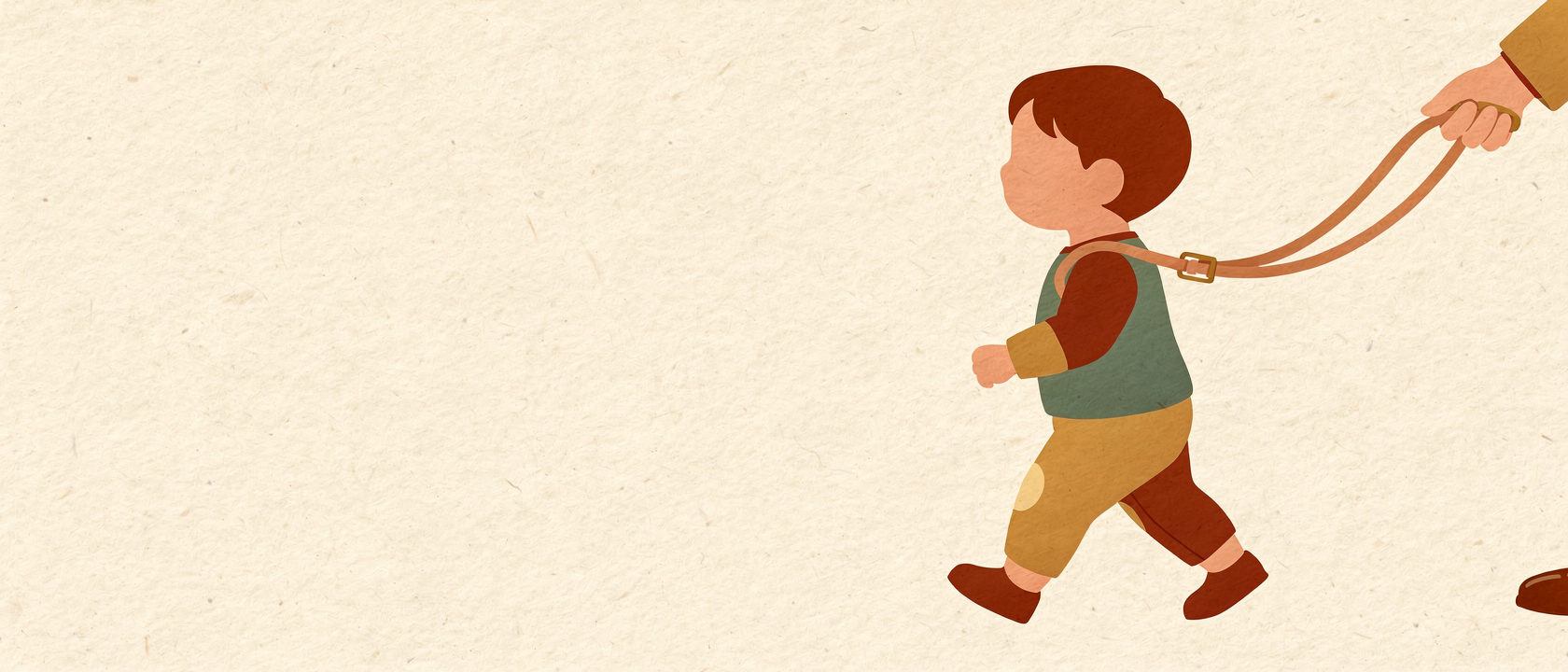
Walking reins sometimes get an image problem — as if using them is a step back from "real" walking. In practice they're a situational safety tool, not a permanent restriction, and most families that use them do so for specific high-risk moments (car parks, busy streets, train platforms) rather than every outing.
When reins genuinely help
- Near roads or car parks, where a sudden dart towards a moving vehicle is the realistic risk reins are designed for.
- In crowds — festivals, airports, busy high streets — where losing sight of a fast-moving toddler for even a few seconds is a real possibility.
- For toddlers who bolt. Some toddlers have a strong "runner" instinct at this age regardless of how many times they're told to hold a hand; reins remove the physical possibility rather than relying on compliance you can't guarantee.
- On train or tube platforms, where the consequence of a lost grip is more serious than almost anywhere else.
When they're less necessary
In low-risk, enclosed environments — a garden, a quiet park, an indoor soft play — most toddlers can be given more free rein (sorry) to build confidence and gross motor skills without one. A toddler who reliably holds a hand and responds to "stop" in low-stakes settings may not need reins there at all, even if you'd still use them somewhere higher-risk.
Backpack-style vs wrist/waist reins
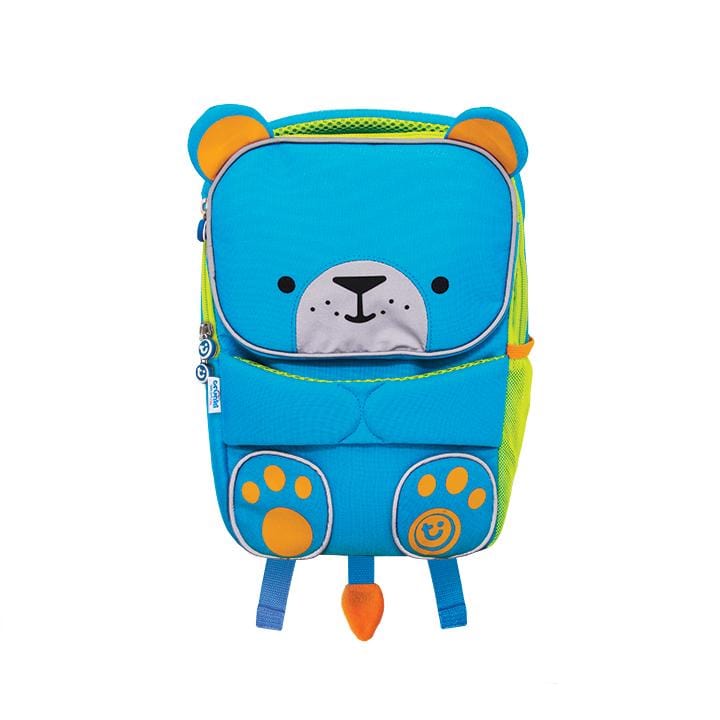
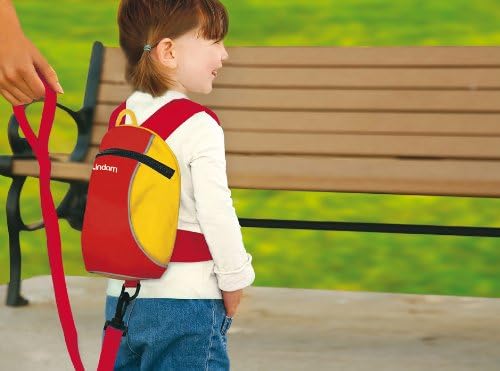
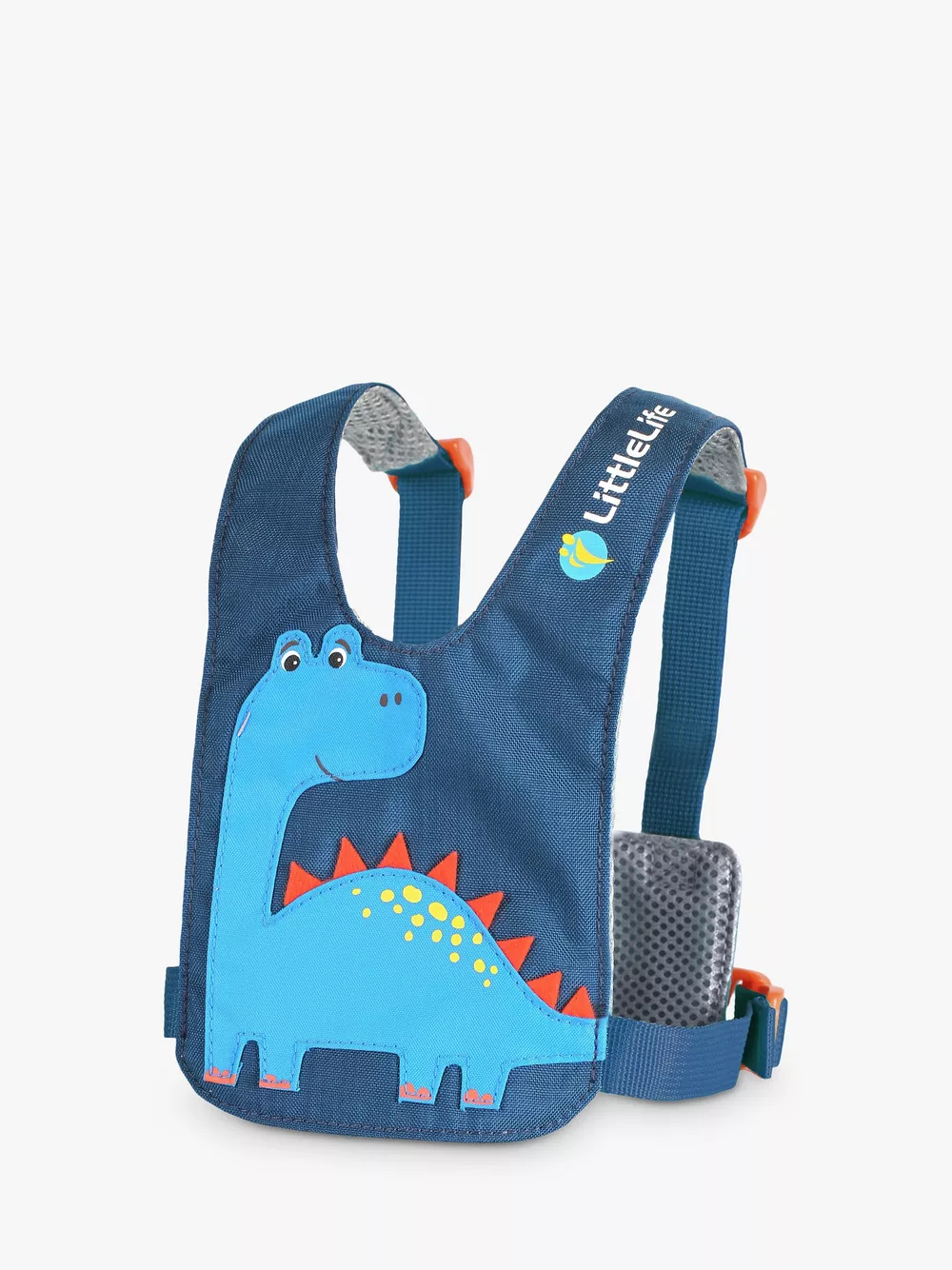
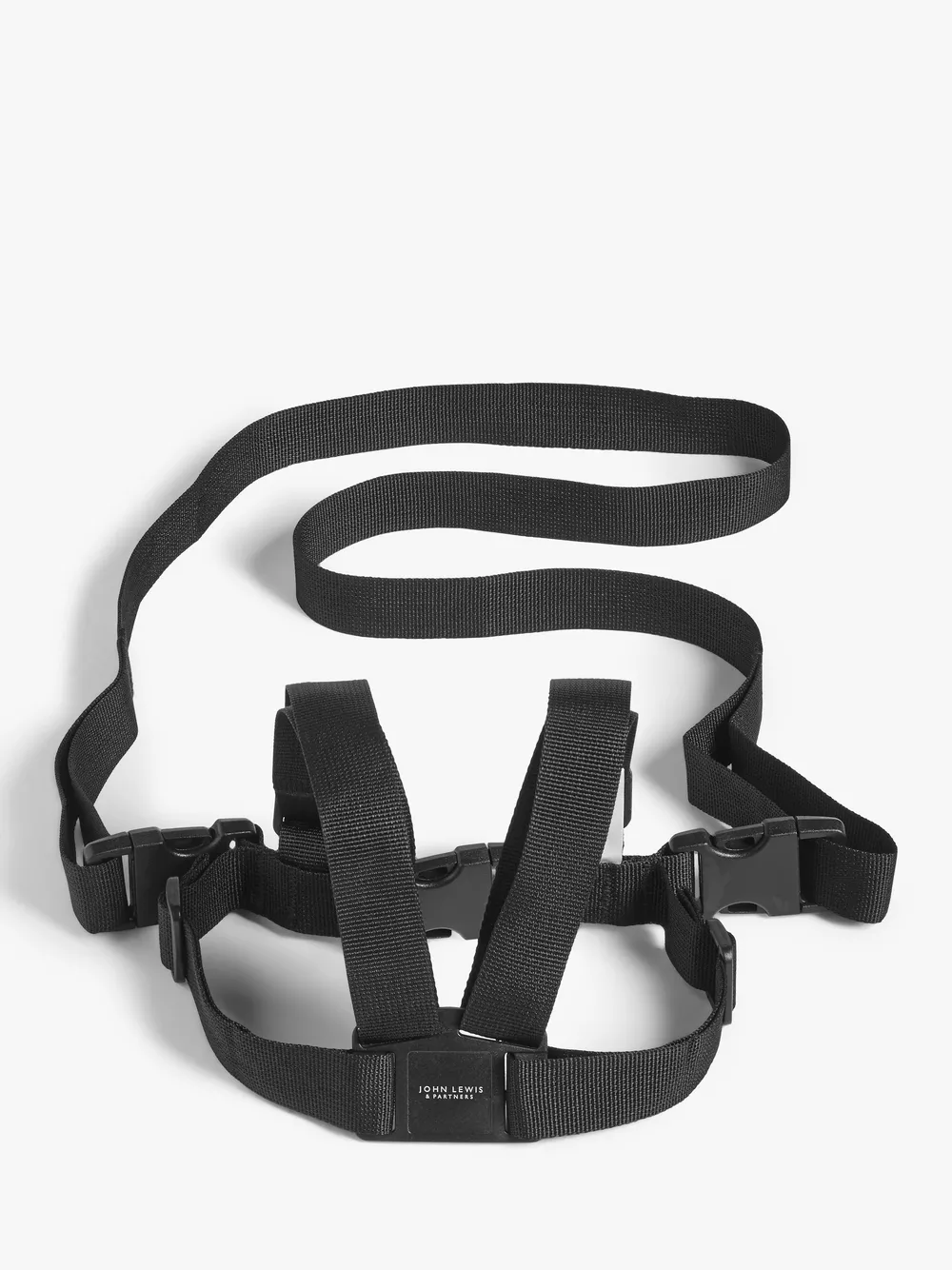
Backpack-style harnesses (like the Trunki ToddlePak) double as a small bag, which some toddlers find more appealing since it feels like their own item rather than a restraint — useful for a reluctant toddler. Simpler wrist or waist reins (like the John Lewis ANYDAY or LittleLife dinosaur rein) are lighter and cheaper, and just as effective for the core job of preventing a bolt.
The realistic long-term picture
Most toddlers need reins or a firmly held hand less and less as impulse control develops through the preschool years, typically easing off somewhere between 3 and 4. There's no fixed cut-off — it's driven by your individual child's behaviour around roads and crowds, not an age on a chart. Using reins in genuinely higher-risk situations for as long as they're useful isn't a step backwards; it's using a tool for what it's actually for.
Mentioned in this guide
Frequently asked questions
Are walking reins bad for toddler development?+
No — reins used situationally (near roads, in crowds) alongside plenty of free walking in low-risk settings support both safety and independence. They are a tool for specific situations, not a general restriction.
At what age can toddlers stop using reins?+
There is no fixed age — it depends on how reliably your toddler responds to instructions and holds a hand near roads and crowds, typically easing off somewhere between 3 and 4.
Backpack harness or wrist reins — which is better?+
Both do the same core safety job. Backpack-style harnesses often get less resistance since toddlers see them as their own bag rather than a restraint; wrist/waist reins are lighter and cheaper.
Sources

Written by
Sepehr
Software engineer, soon-to-be dad, uncle to four — the tech-obsessed half of the two of us testing this stuff. Currently building this site with my wife, ahead of our own baby arriving.