Bathing Your Newborn: Safe Temperature and Technique
A newborn doesn't need a daily bath, and the water temperature matters more than any product. Here's the full technique.
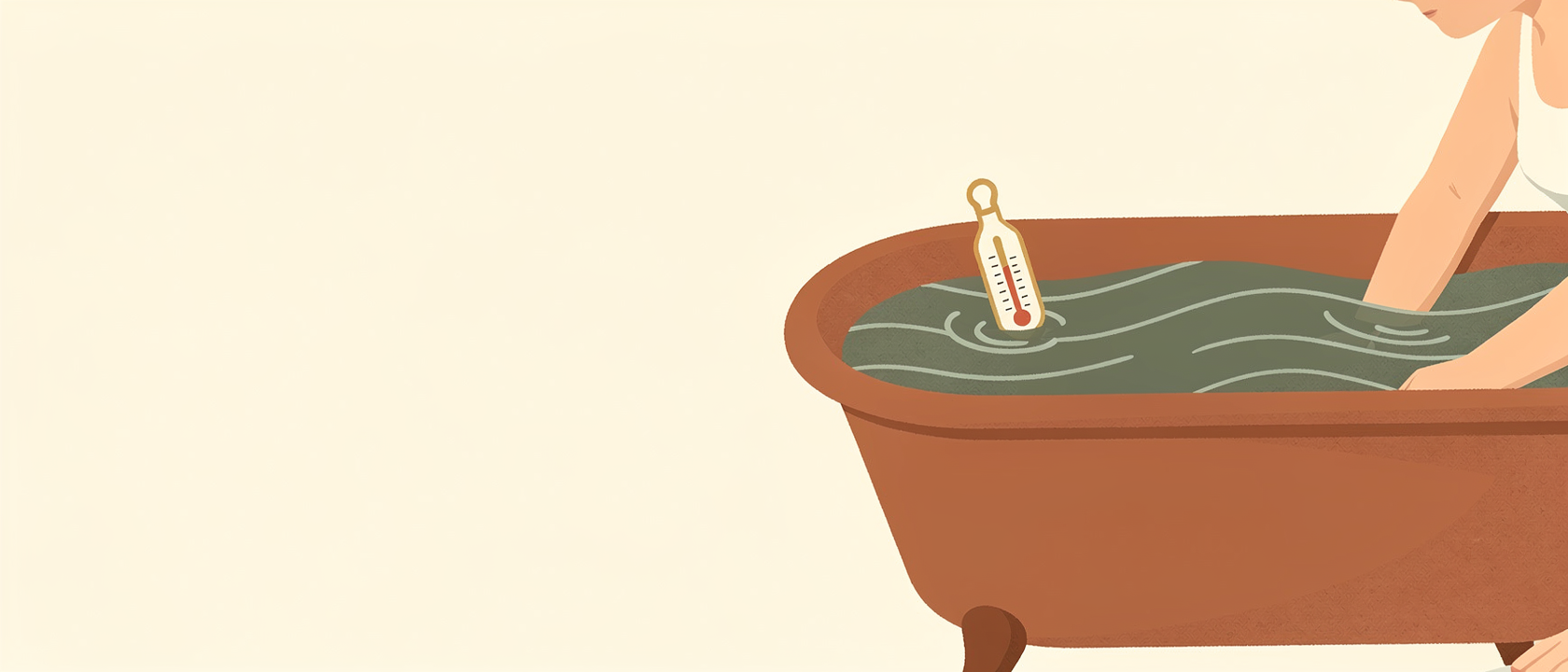
Bathing a slippery, wriggling newborn is one of those tasks that looks harder in your head than it is in practice, once you know the two things that actually matter: water temperature, and a secure grip.
How often
A newborn doesn't need a bath every day — 2–3 times a week is plenty, with top-and-tail washing (face, hands, nappy area with cotton wool and warm water) on other days. Frequent bathing can dry out newborn skin, which is already adjusting to being outside the womb.
Getting the temperature right
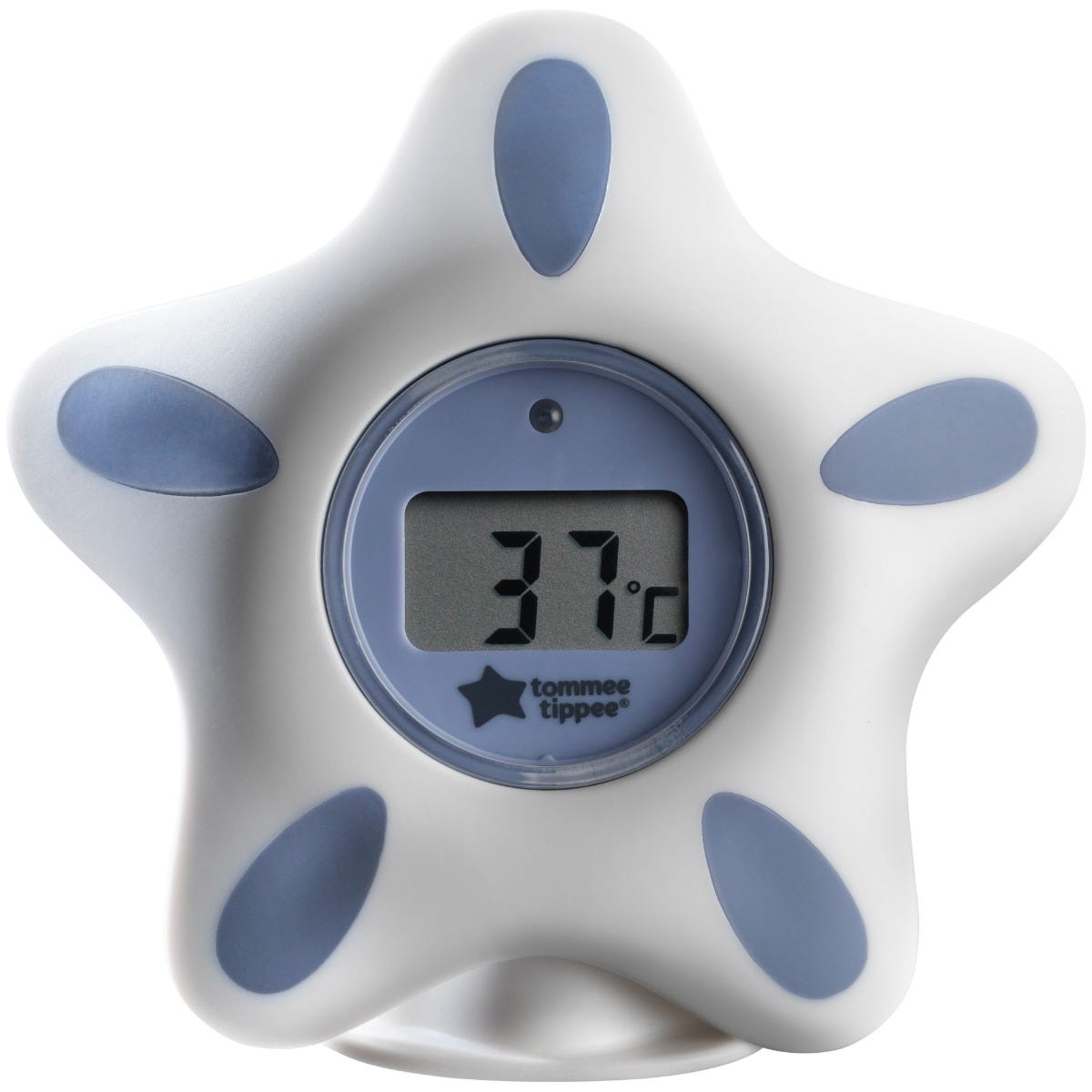
Around 37–38°C — body temperature, not warm the way an adult bath might be. Test with your elbow or the inside of your wrist rather than your hand, which is less sensitive to temperature, or use a bath thermometer for a precise reading, especially useful in the first weeks while you're calibrating what "right" feels like.
Step by step
- Run cold water first, then add hot, checking temperature as you go — this avoids leaving hot water sitting at the bottom.
- Fill to about 10cm, enough to cover your baby's body when lying down.
- Undress your baby last, just before going in, to minimise time cold and exposed.
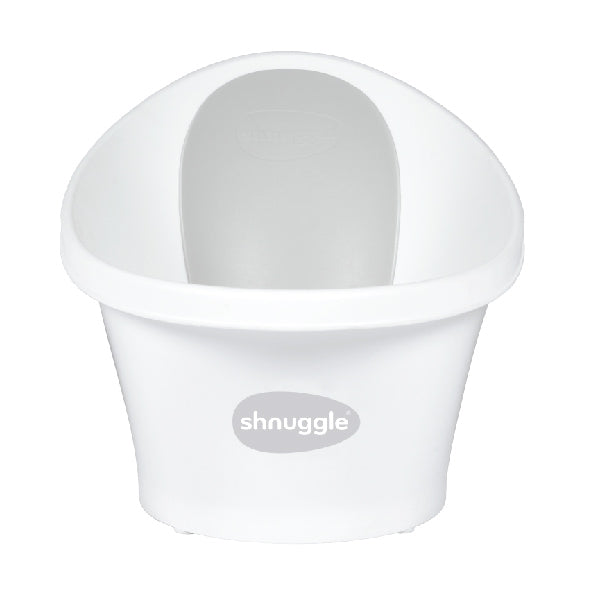
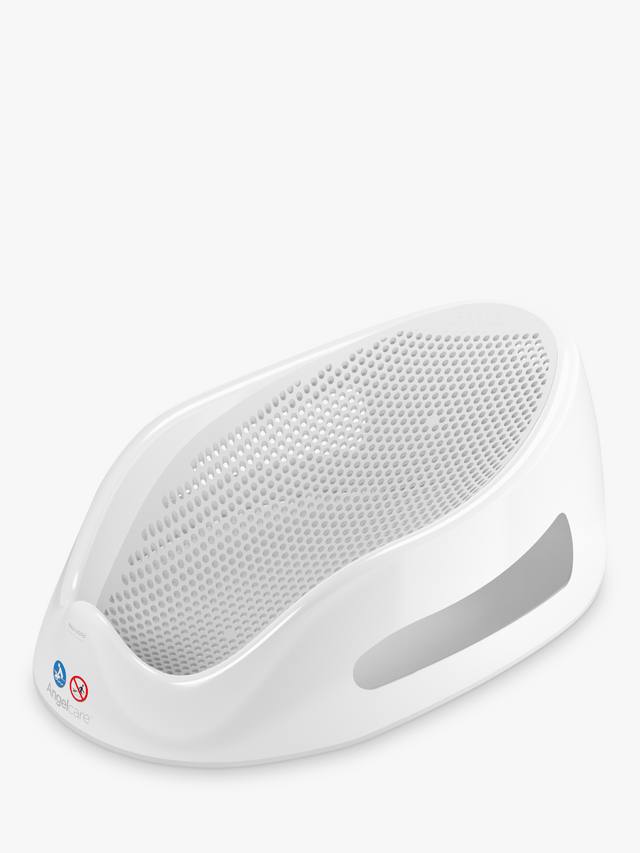
- Support the head and neck with one arm/hand throughout — a baby bath support or foam bath insert makes this considerably easier for a nervous first-time parent, freeing your other hand.
- Wash gently with plain water or a fragrance-free baby wash, paying attention to skin folds where milk and sweat collect.
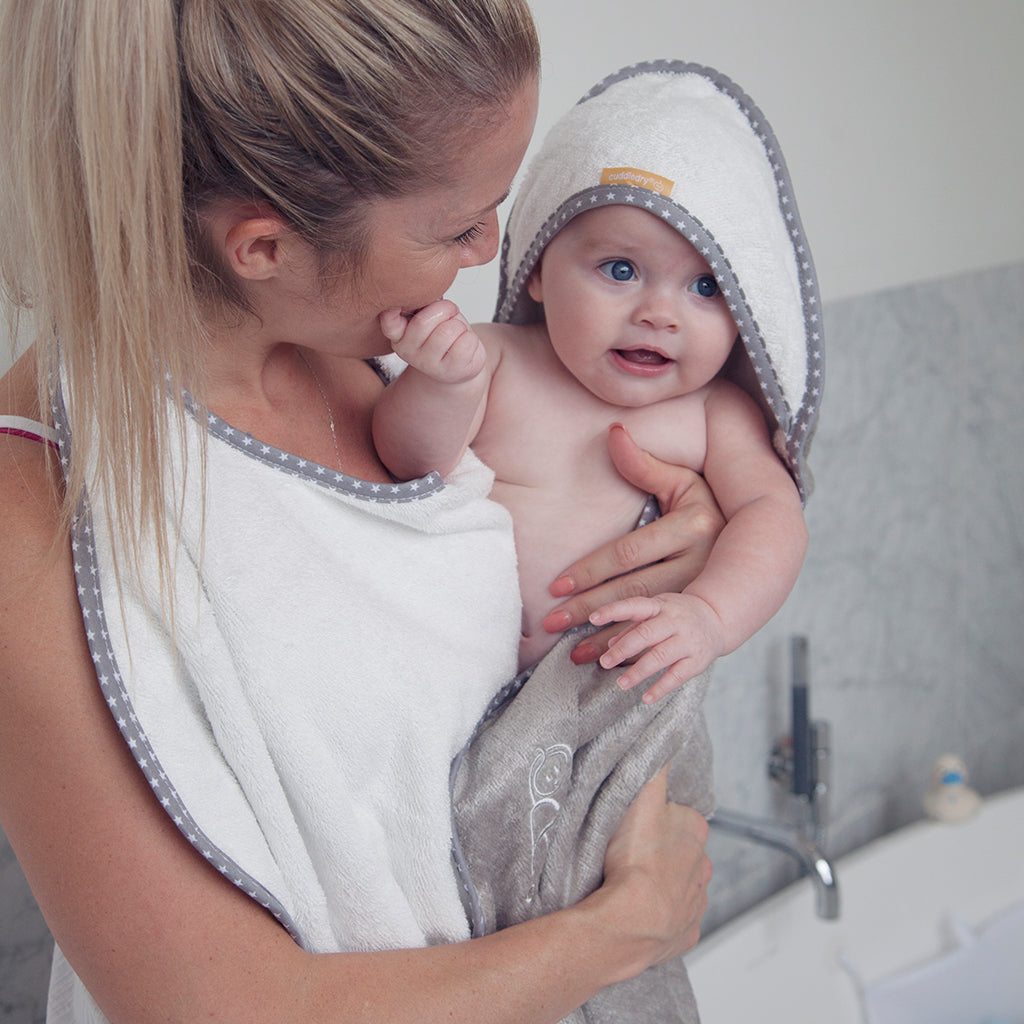
- Lift out, wrap immediately in a towel (a hooded towel keeps a wet head warm) since newborns lose heat fast.
What you don't need
Bubble bath, scented products and baby powder aren't necessary and can irritate newborn skin — plain warm water is genuinely sufficient for the first month or so. A dedicated newborn baby bath (rather than the full-size bath) makes handling easier while your baby is too small to sit or brace themselves, but it's a convenience item, not a safety necessity if you're confident supporting your baby in a normal bath.
Never leave a baby alone in the bath
Not even for a few seconds, not even in a bath support seat — these aid positioning, they don't prevent drowning. If the phone or doorbell rings, take your baby with you, wrapped in a towel, rather than leaving them.
Mentioned in this guide
Frequently asked questions
How long after birth can I bathe my newborn?+
The NHS no longer advises delaying bathing for the umbilical cord — you can bathe your baby as soon as you feel ready, with top-and-tail washing a common choice for the first few days.
What temperature should the bathroom be?+
Warm, ideally around 24°C, to prevent your baby getting cold once out of the water, since they lose heat quickly when wet and undressed.
Is a bath thermometer necessary?+
Not essential if you're confident testing with your elbow, but it removes guesswork in the early weeks and is inexpensive.
Sources

Written by
Sepehr
Software engineer, soon-to-be dad, uncle to four — the tech-obsessed half of the two of us testing this stuff. Currently building this site with my wife, ahead of our own baby arriving.