The Real Signs Your Toddler Is Ready for Potty Training
Most toddlers are ready somewhere between 18 months and 3 years, but the calendar isn't what matters. Here's what actually signals readiness.

There's no single "right" age to start potty training — the NHS is clear that most children are ready somewhere between 18 months and 3 years old, and starting too early, before your toddler shows the signs below, usually just means a longer, more frustrating process for both of you. Readiness is about physical and developmental signals, not a birthday.
The physical signs
- Nappies stay dry for longer stretches — two hours or more during the day, or waking up dry from a nap. This means their bladder can now store urine rather than releasing it constantly, which is the physical prerequisite for any kind of control.
- They know when they're doing a wee or poo — pausing, going quiet, hiding behind furniture, or telling you afterwards. Recognising the sensation is a separate skill from acting on it in advance, and it comes first.
- They can pull trousers and pants up and down mostly unassisted. This sounds minor but it's one of the most common practical bottlenecks in the first few weeks.
The developmental and communication signs
- They can follow simple two-step instructions ("get the potty, then sit down").
- They show interest — following you to the toilet, asking questions, wanting to wear "big kid" pants.
- They can communicate needs before or during the event, even non-verbally, rather than only after.
What isn't a reliable sign
Age by itself isn't a readiness signal — two children can hit every marker above four months apart, and both are on a perfectly normal timeline. Pressure from comparing to other children, or to a nursery's preferred start date, is one of the most common reasons potty training starts before a child is actually ready, and often the reason it then stalls or regresses.
How to start, once the signs are there
The NHS recommends picking a settled period — not around a house move, new sibling, or nursery start — and letting your toddler get used to a potty being around before using it. Ditching nappies for well-fitted pants (or trainer pants like the Angelcare Soft Touch seat fitted to the main toilet) during the day, praising attempts rather than only successes, and expecting accidents for several weeks are all part of a realistic first month. Most children take longer at night than in the day, and night-time dryness is a separate, later milestone entirely — don't expect the two to arrive together.
Choosing equipment that actually helps
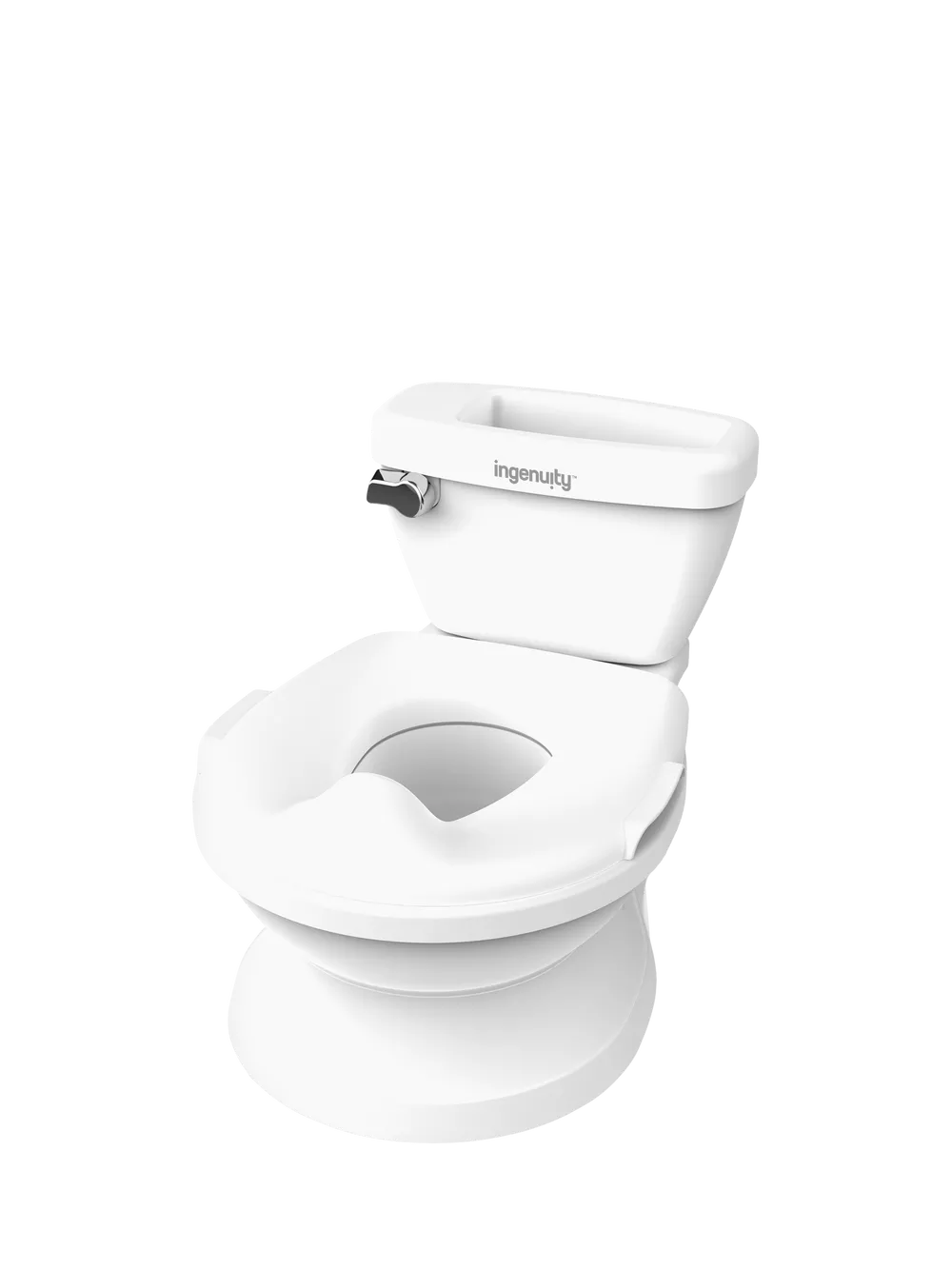
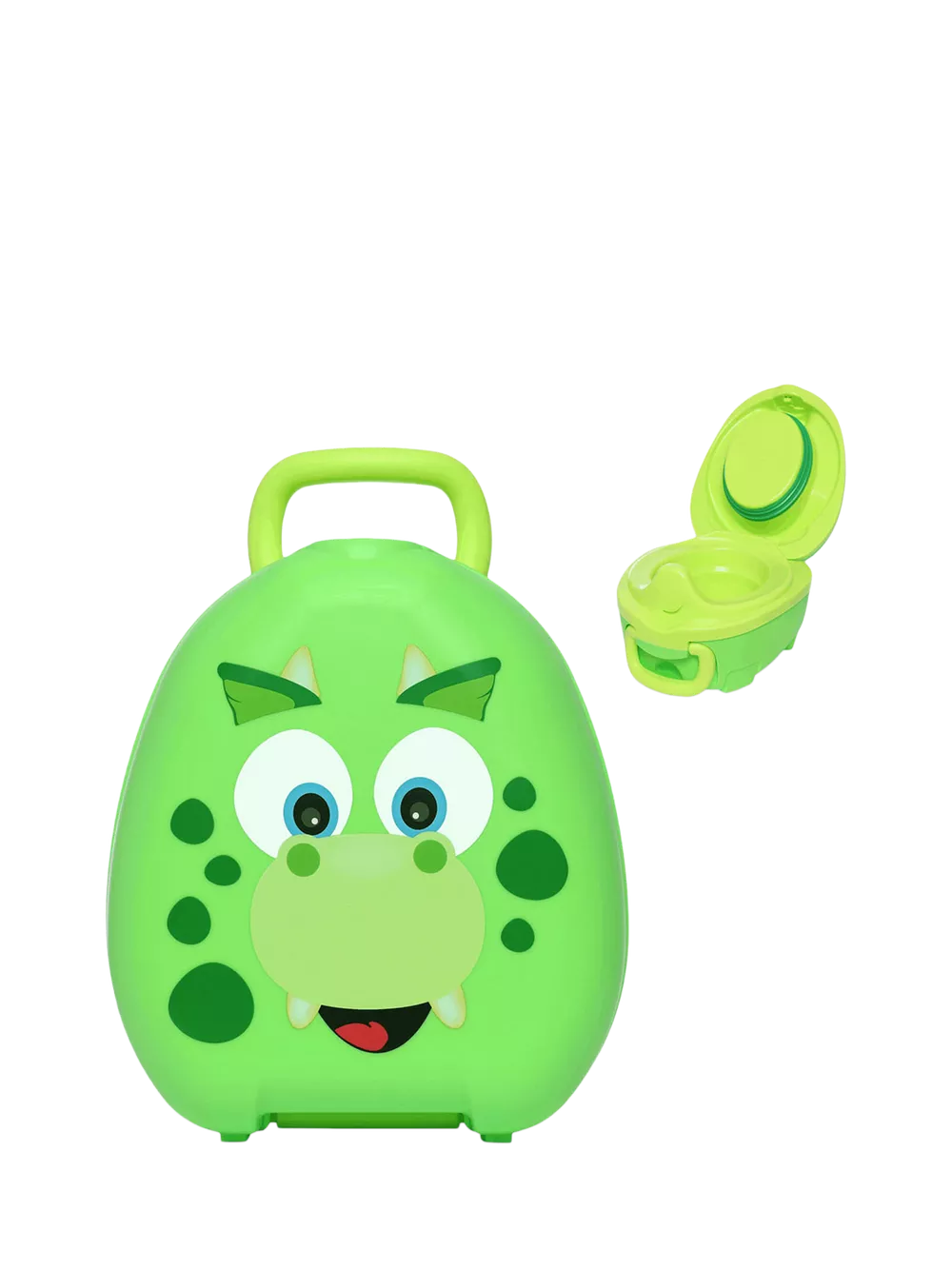
A freestanding potty (like the My Carry Potty or Ingenuity My Size Potty Pro) gives a toddler independence and somewhere familiar and low to the ground, which matters early on when the full-size toilet can feel intimidating. A trainer seat that fits onto your existing toilet (like the Angelcare Soft Touch or Fisher-Price Learn-to-Flush) skips a later transition step, at the cost of needing a step stool and more supervision in the first weeks. Many families use both: a potty downstairs for daytime independence, a trainer seat upstairs for the transition to using the main toilet.
When to get advice
If your child is still regularly having accidents well past their fourth birthday, or was previously dry and starts having frequent accidents again, the NHS recommends speaking to a GP or health visitor, since this occasionally points to a physical or emotional cause worth checking.
Mentioned in this guide
Frequently asked questions
What age should I start potty training?+
There's no fixed age — most children show readiness signs somewhere between 18 months and 3 years. Starting based on the signs rather than a target age nearly always goes faster.
How long does potty training usually take?+
Daytime dryness typically takes a few weeks to a few months of consistent practice. Night-time dryness is a separate milestone and often arrives significantly later, sometimes not until age 4-5.
Is it normal for my toddler to regress after being dry?+
Yes, temporary regression around big changes (a new sibling, moving house, starting nursery) is common and usually resolves on its own with patience rather than pressure.
Sources

Written by
Sepehr
Software engineer, soon-to-be dad, uncle to four — the tech-obsessed half of the two of us testing this stuff. Currently building this site with my wife, ahead of our own baby arriving.