Single vs Double Pushchair: How to Actually Choose
The right choice depends on your gap between children, your storage space, and how you actually get around day to day — not just budget.

Choosing a pushchair is less about finding the single "best" model and more about matching the format to your actual daily routine — how you travel, how much storage you have, and, if you already have an older child, how big the age gap is.
Single pushchairs
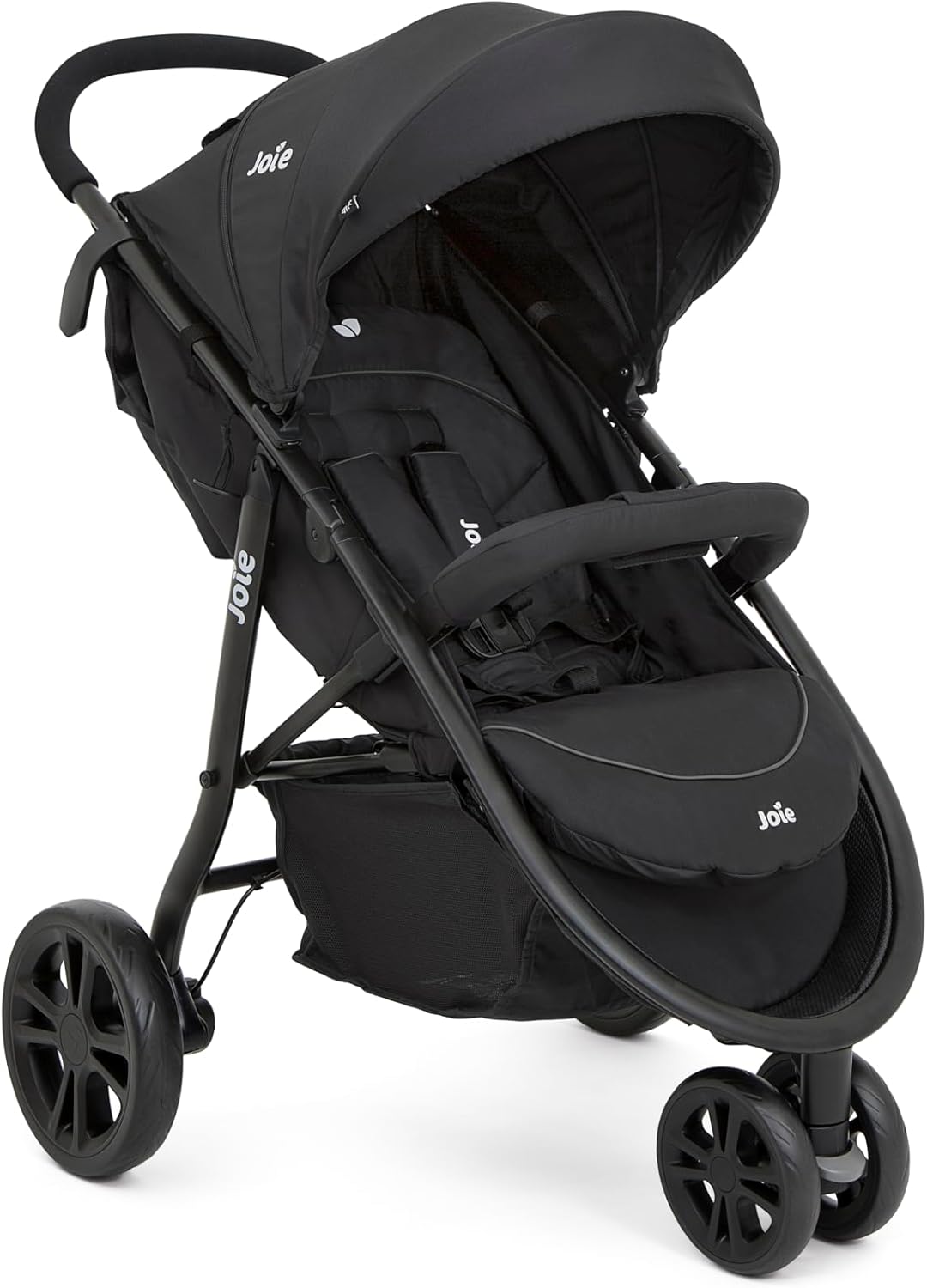
For a first baby, or once an older sibling is confidently walking, a single pushchair is lighter, narrower for doorways and shops, and generally cheaper. The Joie Parcel (£130) is a genuinely lightweight, compact option well suited to city living and public transport, where folding it one-handed on a bus matters more than off-road capability.
Full travel systems
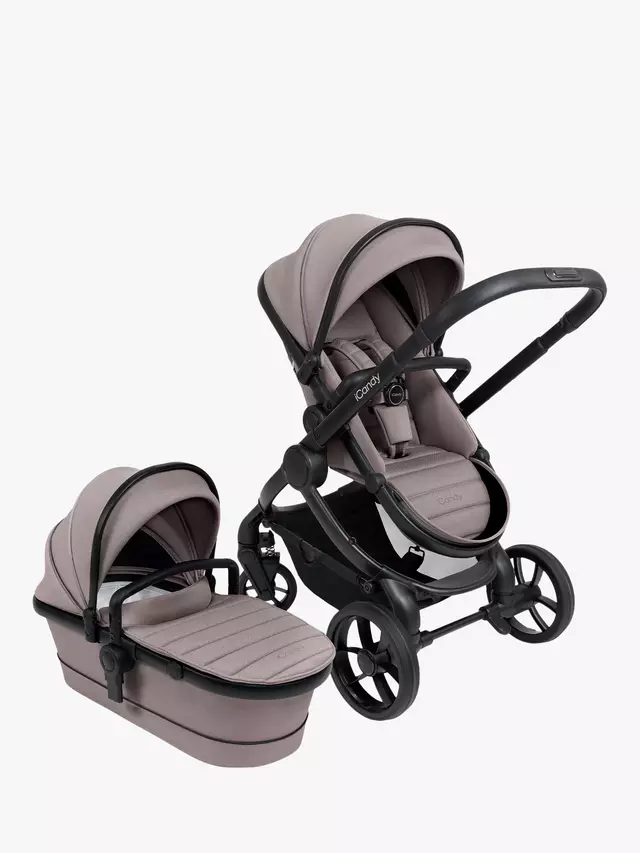
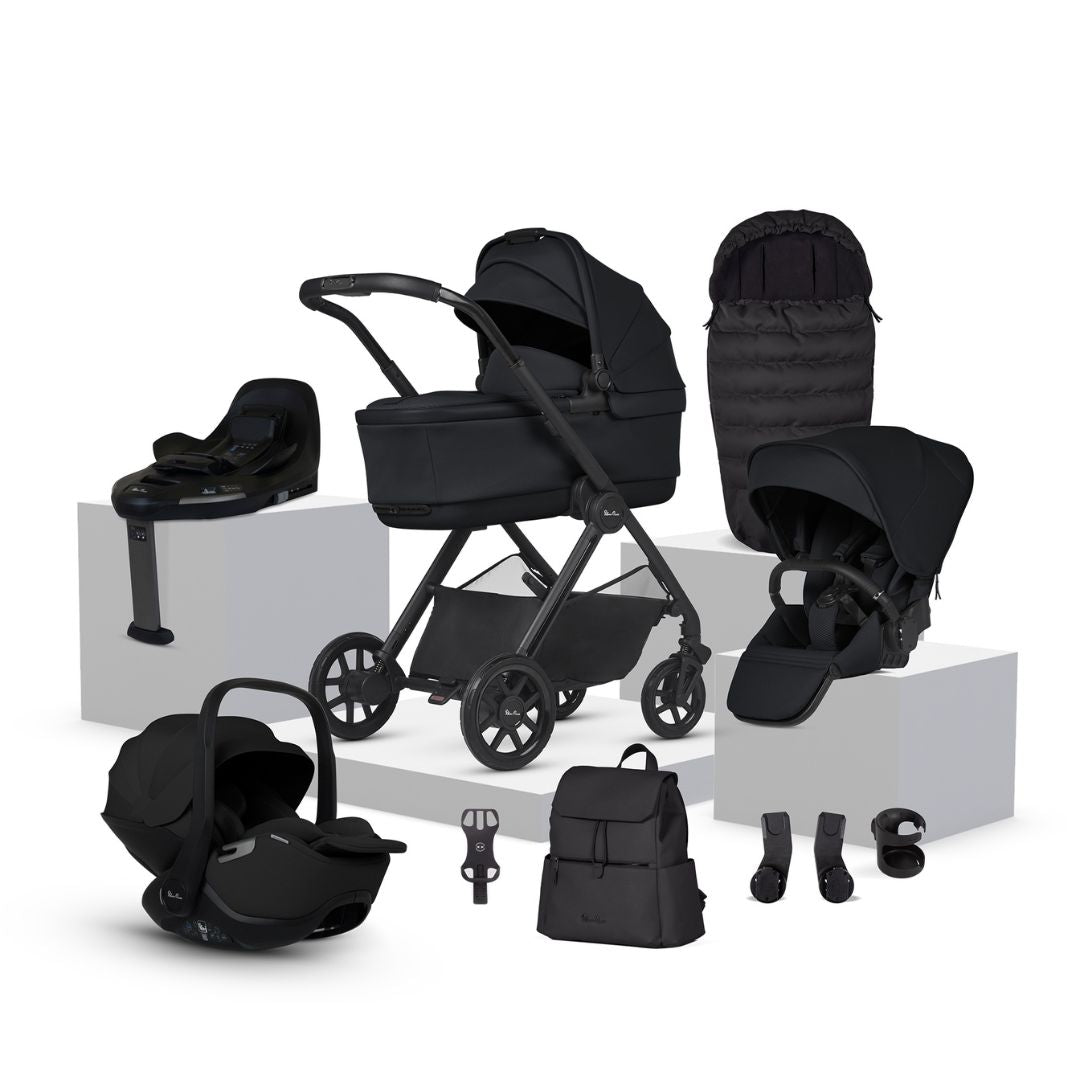
A travel system pairs a pushchair chassis with a compatible infant car seat, letting you move a sleeping newborn from car to pram without waking them. The Silver Cross Reef (from £900) and iCandy Peach 7 (from £1,100) both sit in this category — larger investments that are built to last from newborn through toddler years, with the Reef generally the more affordable of premium British-brand travel systems and the Peach 7 known for a particularly smooth ride and strong second-hand resale value.
When you need a double
If your children are close in age (roughly under 2-3 years apart) and you're regularly out with both, a double becomes worth considering. The two main formats:
- Tandem (in-line) doubles keep the same width as a single pushchair, which matters for narrow doorways and pavements, but add significant length, making tight turns and lifts more awkward.
- Side-by-side doubles are shorter but wider, which can be the opposite trade-off — easier to manoeuvre in open spaces, harder through narrow shop aisles or standard doorways.
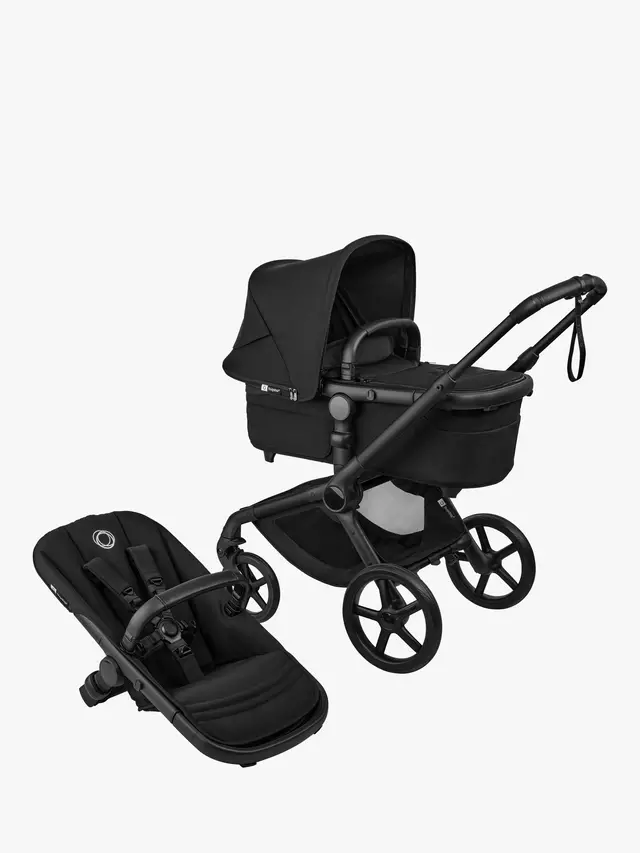
The Bugaboo Fox 5 (from £1,400) is a single-to-double convertible system — it starts as a premium single pushchair and can be adapted with an add-on seat as a second child arrives, which is a genuinely useful format if you're planning a second child within a few years and want to avoid buying two separate systems.
Questions worth answering before you buy
- Will it fit through your front door and your car boot, fully or partly folded?
- Do you use public transport regularly? Weight and one-handed fold matter far more there than off-road wheels.
- Is it compatible with an infant car seat you already own or plan to buy, avoiding a second purchase?
- What's the realistic resale value if you're not planning more children? Premium brands (iCandy, Bugaboo, Silver Cross) tend to hold value significantly better than budget alternatives.
Mentioned in this guide
Frequently asked questions
Do I need a double pushchair or two singles?+
A double is generally worth it if your children are close in age (under 2-3 years apart) and you regularly go out with both. Wider age gaps often work fine with a single pushchair plus a buggy board or walking older child.
Tandem or side-by-side double pushchair?+
Tandems stay narrow (easier through doorways) but get long (harder to turn); side-by-sides are shorter but wider. Choose based on whether your daily routes involve more narrow spaces or more open manoeuvring.
What is a travel system?+
A pushchair chassis designed to accept a compatible infant car seat directly, letting you move a sleeping baby between car and pram without transferring them out of the seat.
Sources

Written by
Sepehr
Software engineer, soon-to-be dad, uncle to four — the tech-obsessed half of the two of us testing this stuff. Currently building this site with my wife, ahead of our own baby arriving.