Sterilising Baby Equipment: Which Method, and For How Long
Four sterilising methods, one NHS timeline: until your baby turns one. Here's what genuinely differs between them, beyond price.
Sterilising isn't about cleaning — a wash in hot soapy water already removes food debris. It's about killing bacteria and viruses that a young baby's immune system isn't yet equipped to handle, which is why the NHS recommends sterilising all feeding equipment (bottles, teats, dummies) until your baby is 12 months old, regardless of whether you're breast or formula feeding.
Wash first, always
Every method assumes equipment has already been washed in hot, soapy water and rinsed in clean water, ideally taken apart (teats, valves, rings separated) so no milk residue is trapped anywhere. Sterilising dirty equipment doesn't reliably kill the bacteria sitting under the residue.
The four methods
Steam sterilisers (electric or microwave)
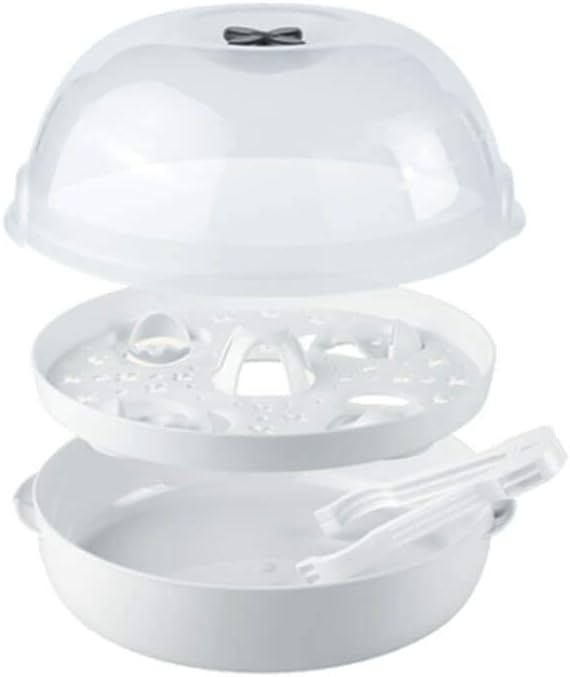
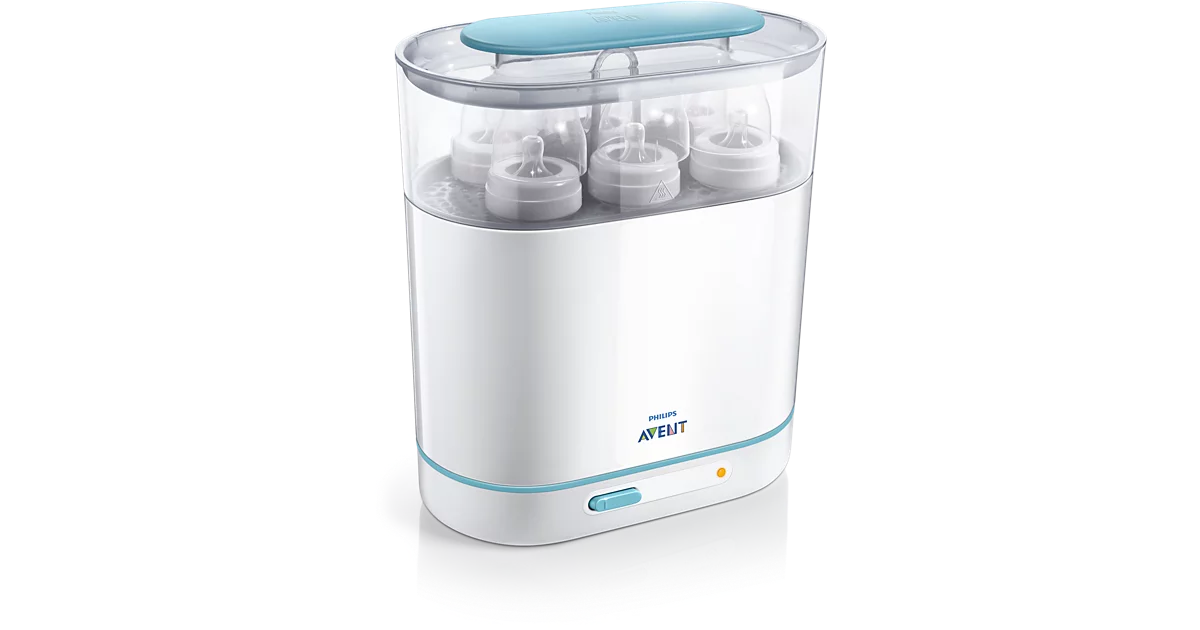
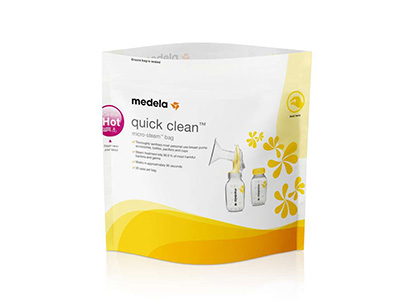
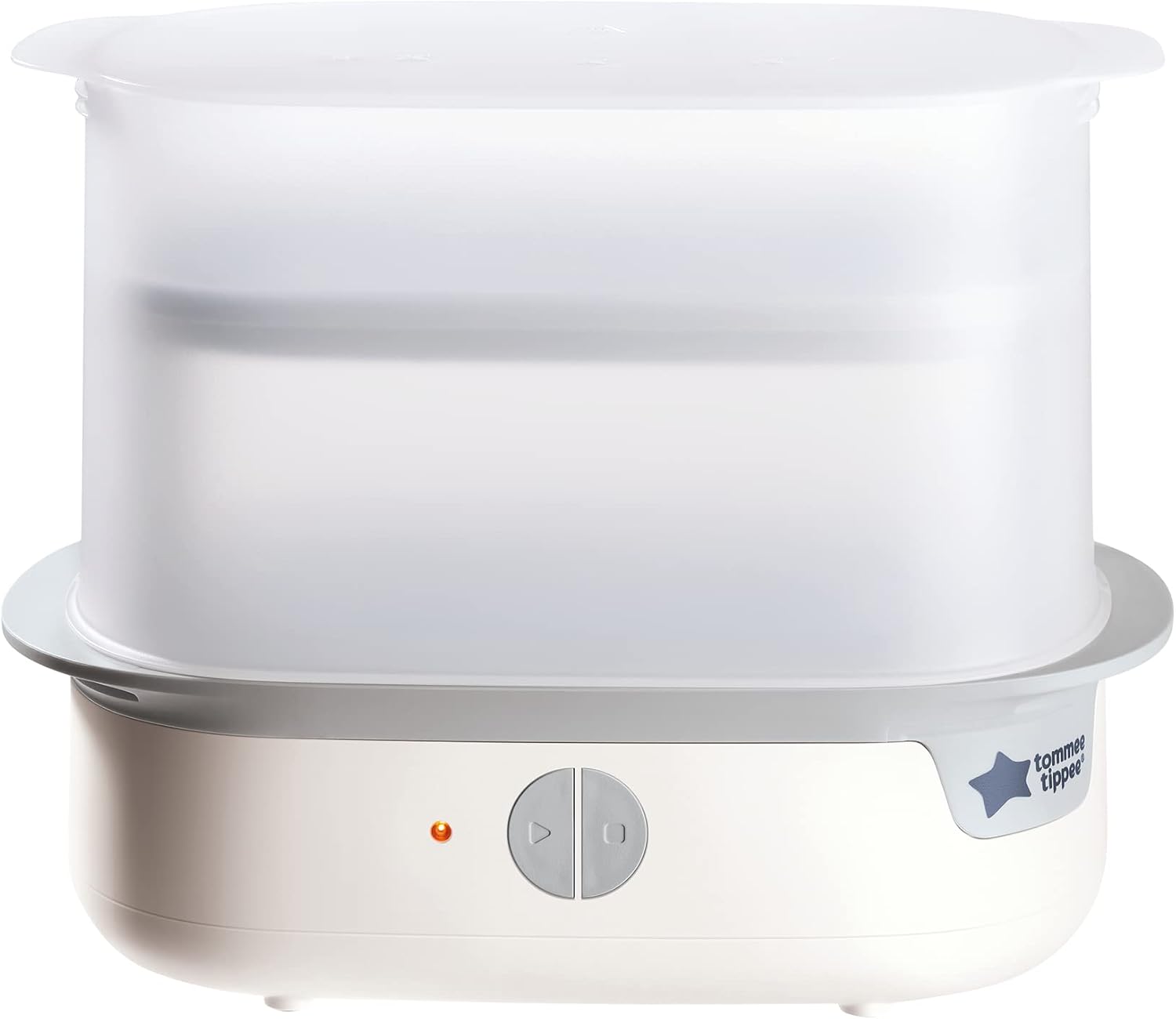
The most common choice: fill with water, load equipment, run a cycle (typically 6–12 minutes for electric, 3–8 for microwave bags/units). Fast, and most stay sterile for several hours if left unopened. Electric steam sterilisers (like Tommee Tippee's Steri-Express) hold more items and don't need a microwave; microwave bags (like Medela's Quick Clean) are cheaper and better for travel.
Cold water sterilising solution
Equipment submerged in a solution of water and sterilising tablets or liquid, fully covered with no trapped air bubbles, for at least 30 minutes, with the solution changed every 24 hours. Cheapest ongoing method, no equipment needed beyond a container, but the slowest and requires the most manual attention to timing.
Boiling
Fully submerged in boiling water for at least 10 minutes, making sure nothing touches the sides of the pan. Free if you already own a large pan, but repeated boiling can degrade some plastics and rubber teats faster than other methods, and it needs closer supervision.
UV sterilisers
A newer, less common option using UV light rather than heat or chemicals — gentler on equipment over time, but pricier upfront and less widely used, so worth checking your specific equipment's manufacturer guidance is compatible with UV sterilising.
How to choose
If you're formula feeding and sterilising multiple times a day, an electric steam steriliser earns its cost back in time saved fast. If you're mostly breastfeeding and only sterilising occasionally (pump parts, an occasional bottle), cold water solution or microwave bags are cheaper for infrequent use.
What you don't need to sterilise
Once your baby starts weaning around 6 months, bowls, spoons and other feeding equipment can just be washed normally in hot soapy water or a dishwasher — sterilising is specifically for equipment that touches milk (bottles, teats, dummies, breast pump parts) up to 12 months.
Mentioned in this guide
Frequently asked questions
How long does a steriliser keep bottles sterile?+
Most steam sterilisers keep contents sterile for around 24 hours if the lid stays closed. Once opened, use equipment within a few hours or re-sterilise.
Do I need to sterilise breast pump parts?+
Yes, the NHS recommends the same 12-month sterilising rule for any equipment that comes into contact with breast milk, including pump parts, not just bottles.
Can I put a steriliser in the dishwasher?+
The steriliser unit itself usually can't go in a dishwasher, but most bottles, teats and steriliser baskets are dishwasher-safe for the wash step before sterilising — check individual product guidance.
Sources

Written by
Sepehr
Software engineer, soon-to-be dad, uncle to four — the tech-obsessed half of the two of us testing this stuff. Currently building this site with my wife, ahead of our own baby arriving.