Why You Can’t Sleep in the Third Trimester (and What Actually Helps)
Third trimester insomnia has real, specific causes — not just "being uncomfortable." Here’s what’s behind it and what actually makes a difference.
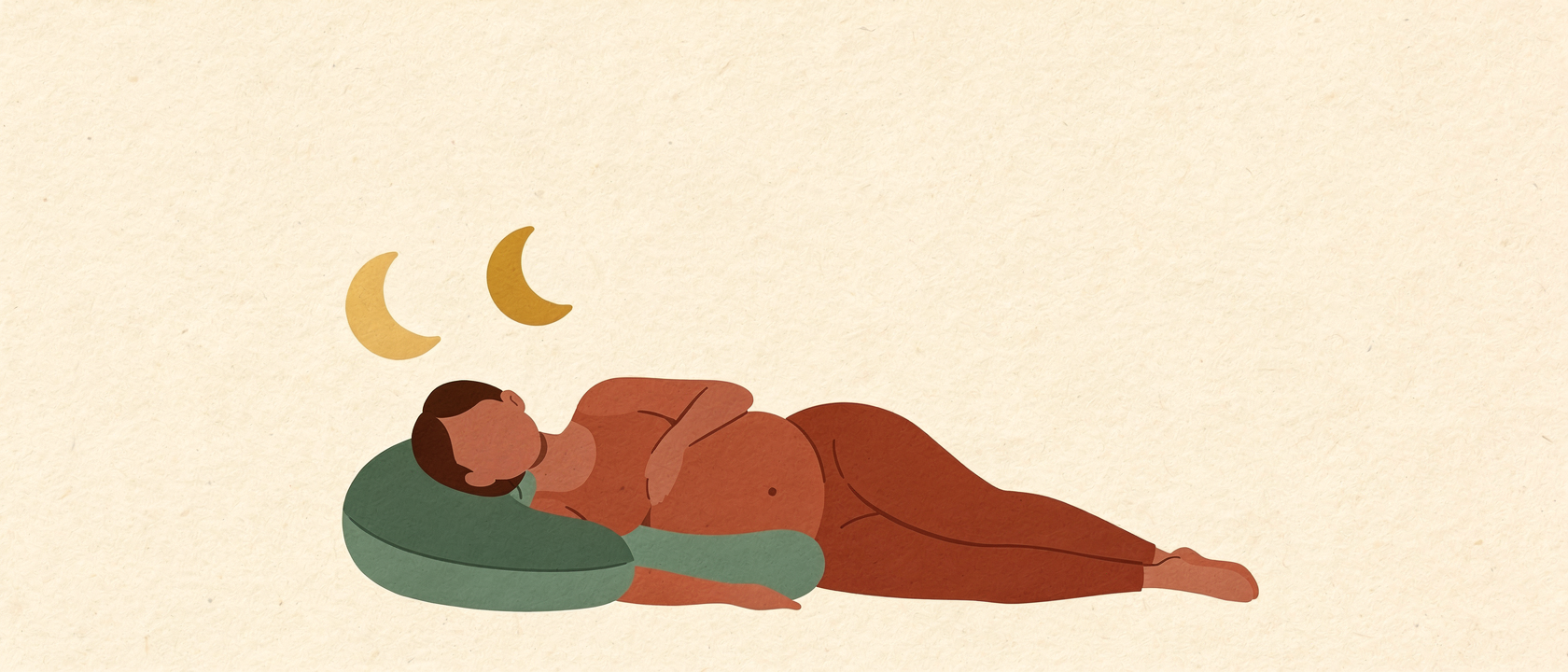
Struggling to sleep well in the third trimester is extremely common, and it's rarely down to a single cause — usually it's several specific, identifiable problems stacking on top of each other. Knowing which one is affecting you most makes it much easier to target what actually helps.
The physical causes, and what helps each one
Difficulty getting comfortable
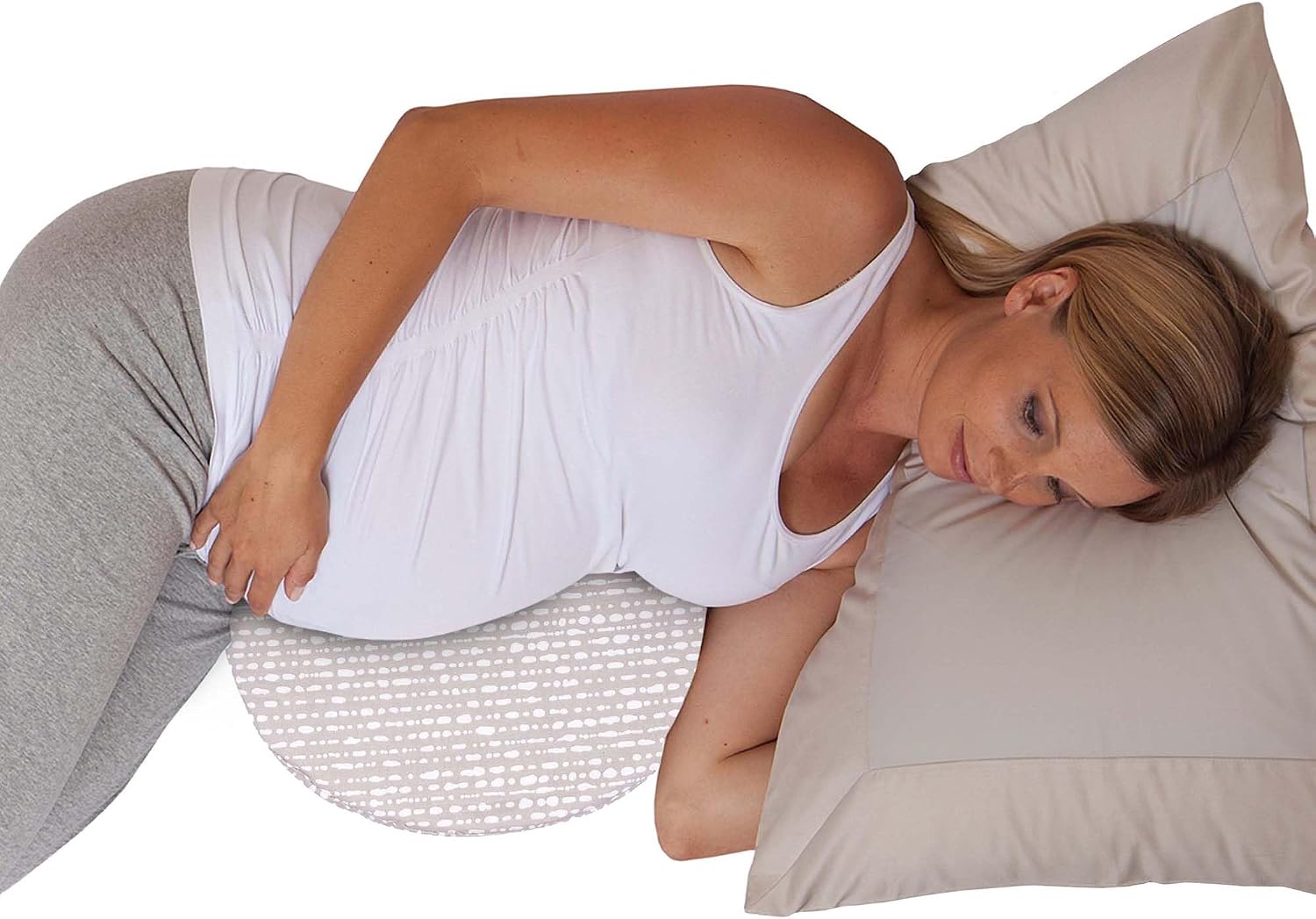
Side-sleeping (recommended from 28 weeks) plus a growing bump makes many previous sleep positions impossible. A pregnancy pillow — wedge for targeted support, full-body C or U shape for hip pain specifically — is the most direct fix here.
Frequent trips to the toilet
Increased pressure on the bladder from the growing uterus means more nighttime waking. Reducing fluids specifically in the hour or two before bed (while keeping normal daytime hydration) can reduce, though not eliminate, this.
Heartburn and reflux
Pregnancy hormones relax the valve between stomach and oesophagus, and the growing uterus puts physical pressure on the stomach — both increase reflux, especially lying flat. Propping yourself up with extra pillows, eating smaller meals earlier in the evening, and avoiding lying down right after eating all help meaningfully.
Restless legs
A genuinely common third-trimester symptom — an uncomfortable urge to move your legs, worse in the evening. Gentle stretching, a warm bath before bed, and checking your iron levels with your midwife (restless legs is sometimes linked to iron deficiency) can all help.
Anxiety and racing thoughts
Approaching labour, alongside genuine physical discomfort, often brings increased anxiety that makes falling back asleep harder even once you're comfortable. A wind-down routine, and talking to your midwife if anxiety feels significant rather than mild, both matter here.
What to be genuinely aware of, not just uncomfortable about
Occasional poor sleep is normal and expected. Contact your midwife or maternity unit if you notice sudden swelling in your face, hands or feet, severe headache, vision changes, or reduced baby movement — these can be signs of pre-eclampsia and shouldn't be dismissed as "just" a sleep issue.
Practical routine changes that genuinely help
- Cut caffeine intake, particularly in the afternoon and evening.
- Keep a consistent bedtime and wake time where possible, even with disrupted sleep in between.
- Avoid screens in the hour before bed — a genuinely useful habit at any life stage, more so when sleep is already fragile.
- Nap during the day if you need to and can — there's no rule against daytime naps in pregnancy, and "sleep when you can" applies here just as much as it will after birth.
Mentioned in this guide


Frequently asked questions
Is it safe to take anything for sleep during pregnancy?+
Always check with your midwife or GP before taking any sleep aid, including over-the-counter or herbal remedies, as not everything considered generally safe outside pregnancy is recommended during it.
Is restless legs syndrome in pregnancy a sign of something serious?+
Usually not — it’s a common third-trimester symptom. Mention it to your midwife, particularly if it’s severe, since it’s sometimes linked to low iron and worth checking.
Should I worry if I keep waking up on my back?+
No — the advice is about going to sleep on your side, not staying there all night. If you wake up on your back, simply roll onto your side again; it isn’t something to be anxious about.
Sources

Written by
Sepehr
Software engineer, soon-to-be dad, uncle to four — the tech-obsessed half of the two of us testing this stuff. Currently building this site with my wife, ahead of our own baby arriving.