The UK Vaccination Schedule for Baby's First Year, Explained
The first-year vaccination schedule looks like a lot on paper. Here's what's actually happening at each appointment.

The NHS routine immunisation schedule for the first year covers several appointments, each bundling more than one vaccine. Here's what's given at each stage, in plain terms.
8 weeks
- 6-in-1 vaccine — protects against diphtheria, tetanus, whooping cough (pertussis), polio, Hib (Haemophilus influenzae type b) and hepatitis B, given as a single injection
- Rotavirus vaccine — given orally (drops), protects against a common cause of infant diarrhoea and vomiting
- MenB vaccine — protects against meningococcal group B bacteria, a leading cause of bacterial meningitis in young children
12 weeks
- 6-in-1 vaccine — second dose
- Rotavirus vaccine — second (final) dose
- PCV (pneumococcal) vaccine — protects against pneumococcal infections including some types of pneumonia and meningitis
16 weeks
- 6-in-1 vaccine — third (final) dose
- MenB vaccine — second dose
Around 1 year (12–13 months)
- Hib/MenC vaccine — combined booster
- MMR vaccine — measles, mumps and rubella, first dose
- PCV (pneumococcal) vaccine — booster dose
- MenB vaccine — booster dose
What to expect at appointments
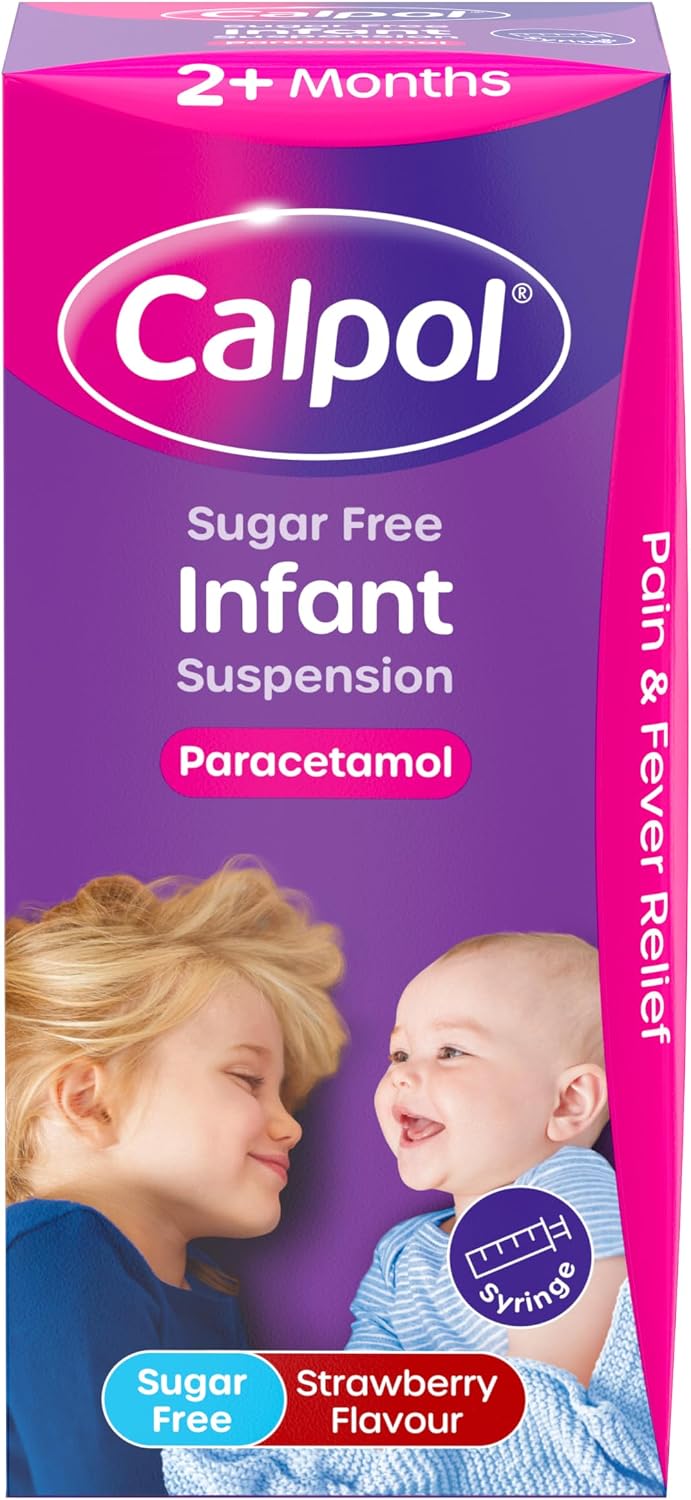
Mild side effects are common and expected: a sore or slightly swollen injection site, mild fever, or general fussiness for a day or two. Infant paracetamol at the correct dose can help, and the NHS specifically notes that some parents are advised to give a preventative dose after the MenB vaccine specifically, due to a higher rate of fever with that one — your health visitor or nurse will advise on this at the appointment.
When to seek help after a vaccination
A high fever that doesn't settle with paracetamol, a fever in a baby under 3 months, unusual drowsiness, a rash that doesn't fade under a glass, or any sign of a severe allergic reaction (facial swelling, breathing difficulty) shortly after a vaccination needs urgent medical attention — these are rare, but worth knowing.
If you miss an appointment
Contact your GP surgery to rebook — missed vaccines can usually be caught up, and it's better to reschedule promptly than to skip a dose in the schedule.
Mentioned in this guide
Frequently asked questions
Are the NHS vaccines free?+
Yes, all routine NHS childhood vaccinations are free and offered as part of standard baby care, usually delivered at your GP surgery.
Can I give paracetamol before a vaccination to prevent side effects?+
Preventative paracetamol isn't generally recommended before vaccination except where specifically advised, such as sometimes after the MenB vaccine — ask your nurse or health visitor at the appointment for guidance specific to your baby.
What if my baby is unwell on the day of a vaccination appointment?+
A mild cold without a fever usually doesn't need to delay vaccination, but if your baby has a fever or seems more unwell, contact the surgery beforehand to check whether to reschedule.
Sources

Written by
Sepehr
Software engineer, soon-to-be dad, uncle to four — the tech-obsessed half of the two of us testing this stuff. Currently building this site with my wife, ahead of our own baby arriving.