When to Start Weaning: The NHS Guidance Explained
Around 6 months is the NHS's headline advice, but 'around' is doing a lot of work in that sentence. Here's how to read your baby's actual readiness signs.
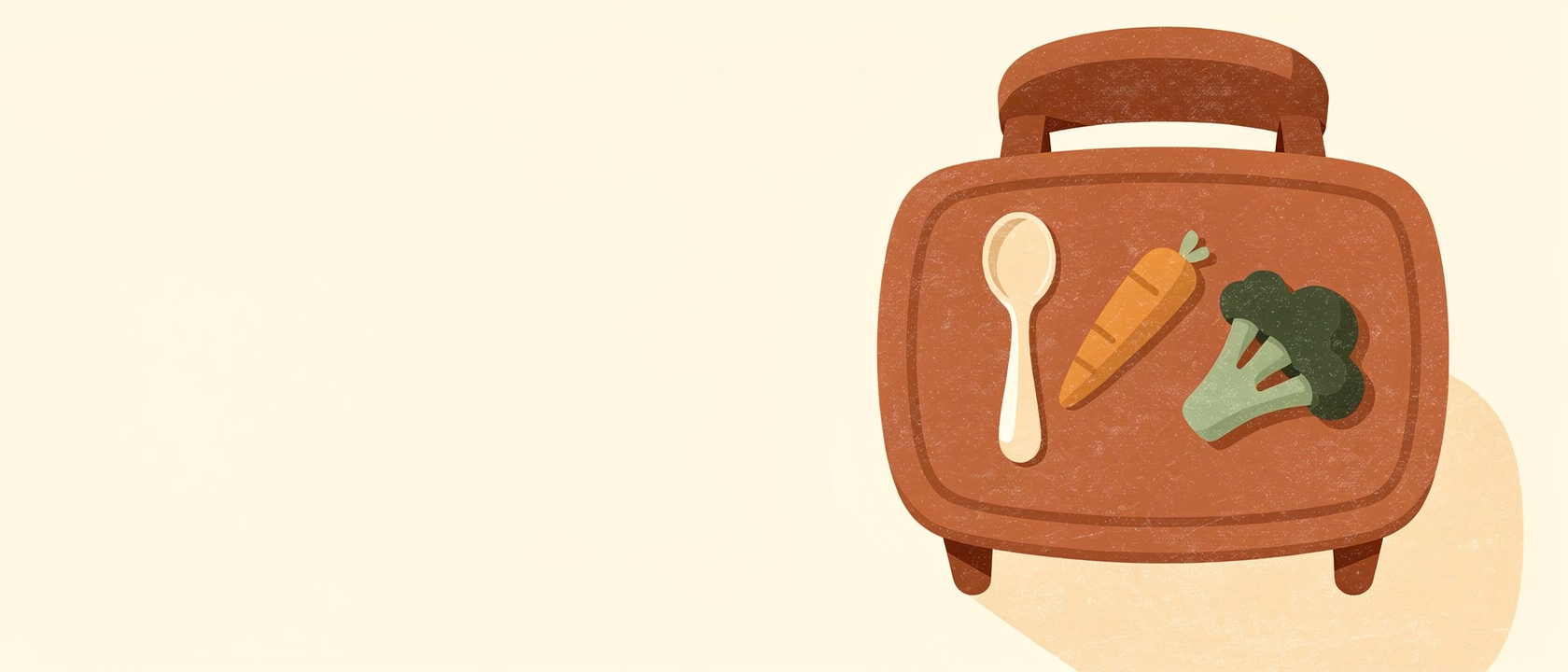
The NHS recommends starting solid foods at around 6 months of age, alongside continued breast or formula milk. That single sentence gets repeated everywhere, but the useful part — what "around 6 months" and "ready" actually mean day to day — usually gets left out.
Why 6 months, not earlier
Before around 6 months, a baby's digestive system and kidneys aren't fully ready to process anything other than milk, and their swallowing reflex hasn't developed enough to move solid food safely to the back of the mouth. Starting too early is linked to a higher risk of infections and, longer term, obesity — which is why the NHS is specific about not offering solid food before 4 months under any circumstances, even if a baby seems hungry or is a big feeder.
The three readiness signs that actually matter
The NHS lists three signs your baby needs to show together, not just one in isolation:
- Staying in a sitting position and holding their head steady — they need this postural control to swallow food safely.
- Co-ordinating their eyes, hands and mouth — so they can look at food, pick it up (or a pre-loaded spoon), and get it to their mouth themselves.
- Swallowing food, rather than spitting it back out — young babies have a reflex that pushes foreign objects out of the mouth, and this needs to have faded.
What doesn't count as a readiness sign, despite being commonly mistaken for one: chewing fists, waking in the night more than usual, or wanting extra milk feeds. These are all normal parts of development at this age and happen for lots of reasons unrelated to needing solid food.
What the first foods should look like
There's no strict order the NHS insists on. Good first foods are single vegetables and fruits, mashed or cut into soft sticks big enough for your baby to hold (parsnip, broccoli, ripe pear, banana), plain rice, or baby rice mixed with usual milk. Avoid added salt and sugar entirely, and honey until after 12 months, due to a small risk of infant botulism.
How fast to move
Start with small amounts — a couple of teaspoons once a day is plenty at first — and increase the amount and variety gradually over the following weeks. Milk (breast or formula) stays the main source of nutrition until 12 months old; weaning is about introducing tastes and textures, not replacing milk feeds quickly.
Common mistakes worth avoiding
- Starting because of a due date, not readiness. "Around 6 months" is a guide, not a deadline on a specific day — some babies show all three signs a week or two either side.
- Only offering purees indefinitely. Moving on to lumpier textures and finger foods by around 7 months helps babies learn to chew, which matters for speech development too.
- Diluting or skipping the multivitamin conversation. The NHS recommends a daily vitamin D supplement for breastfed babies from birth, and for formula-fed babies once they're having less than 500ml of formula a day, continuing through weaning.
What you'll actually need
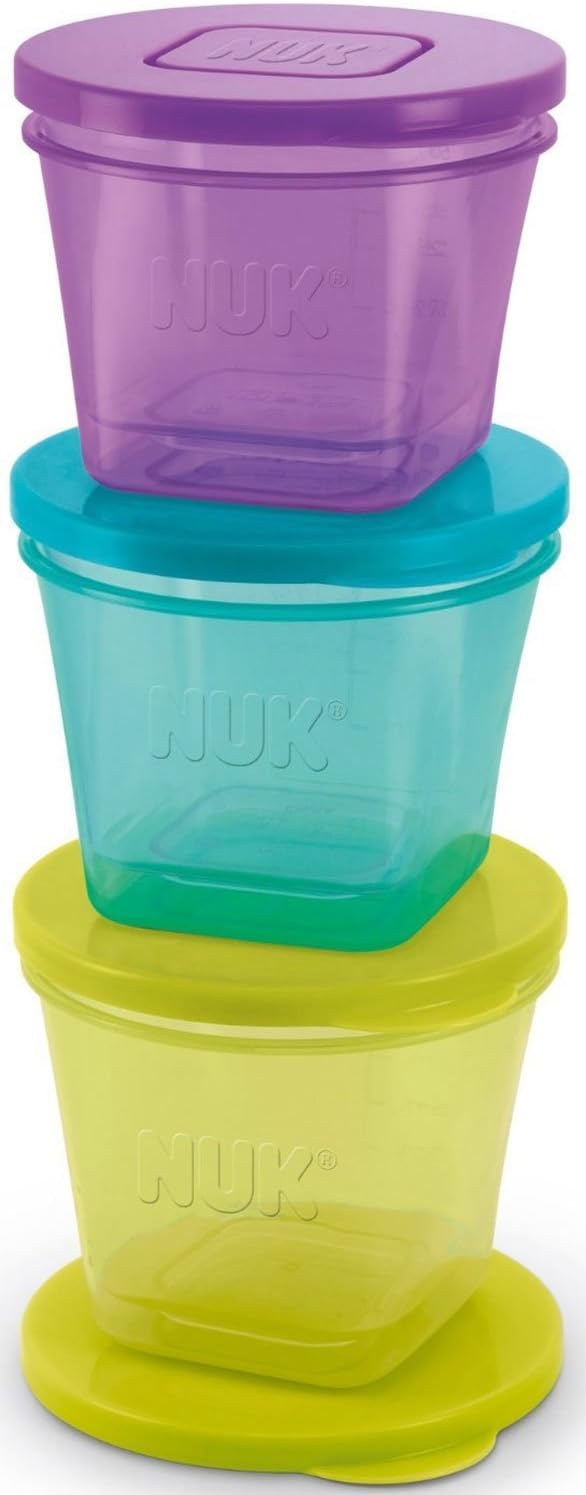
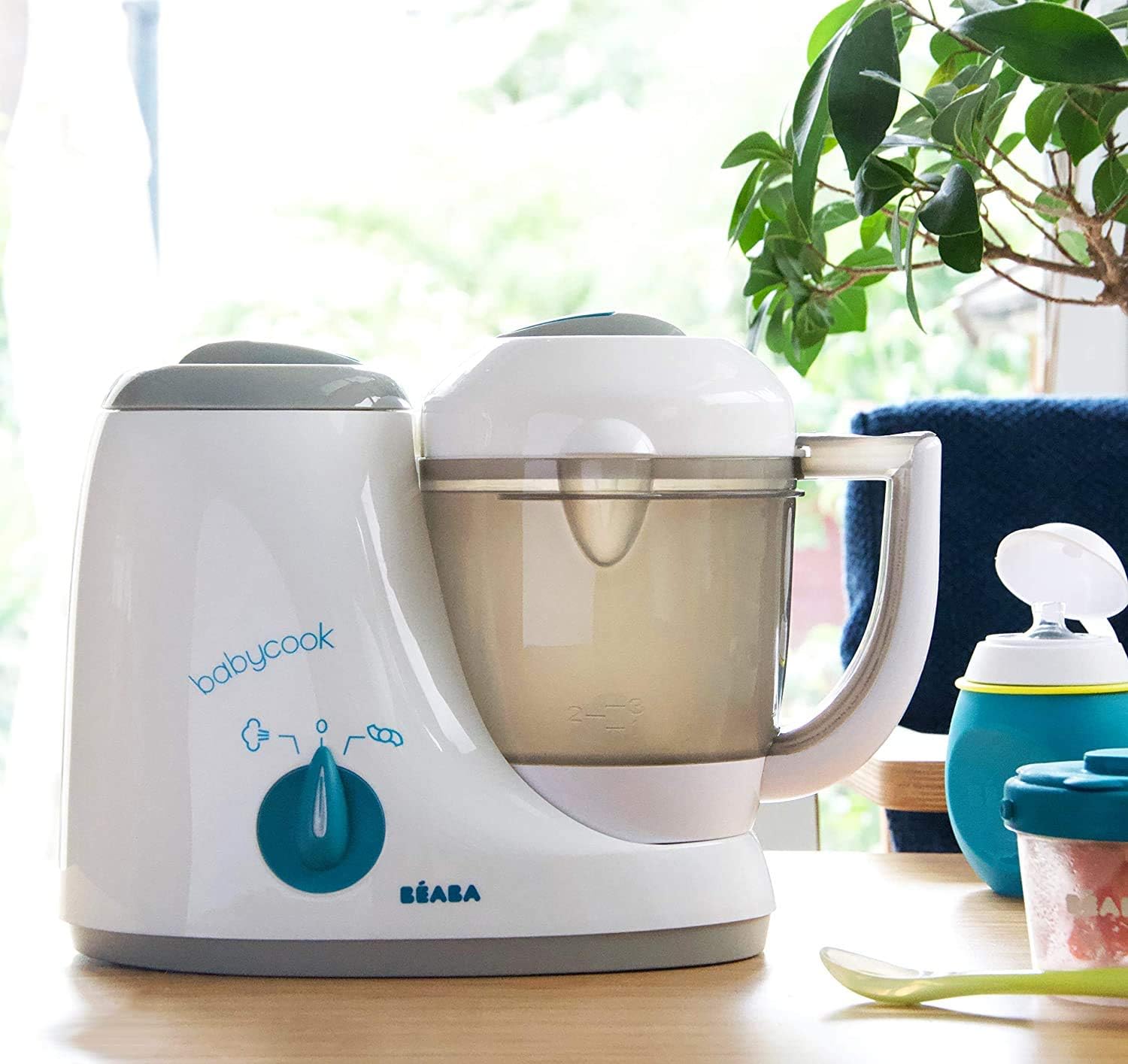
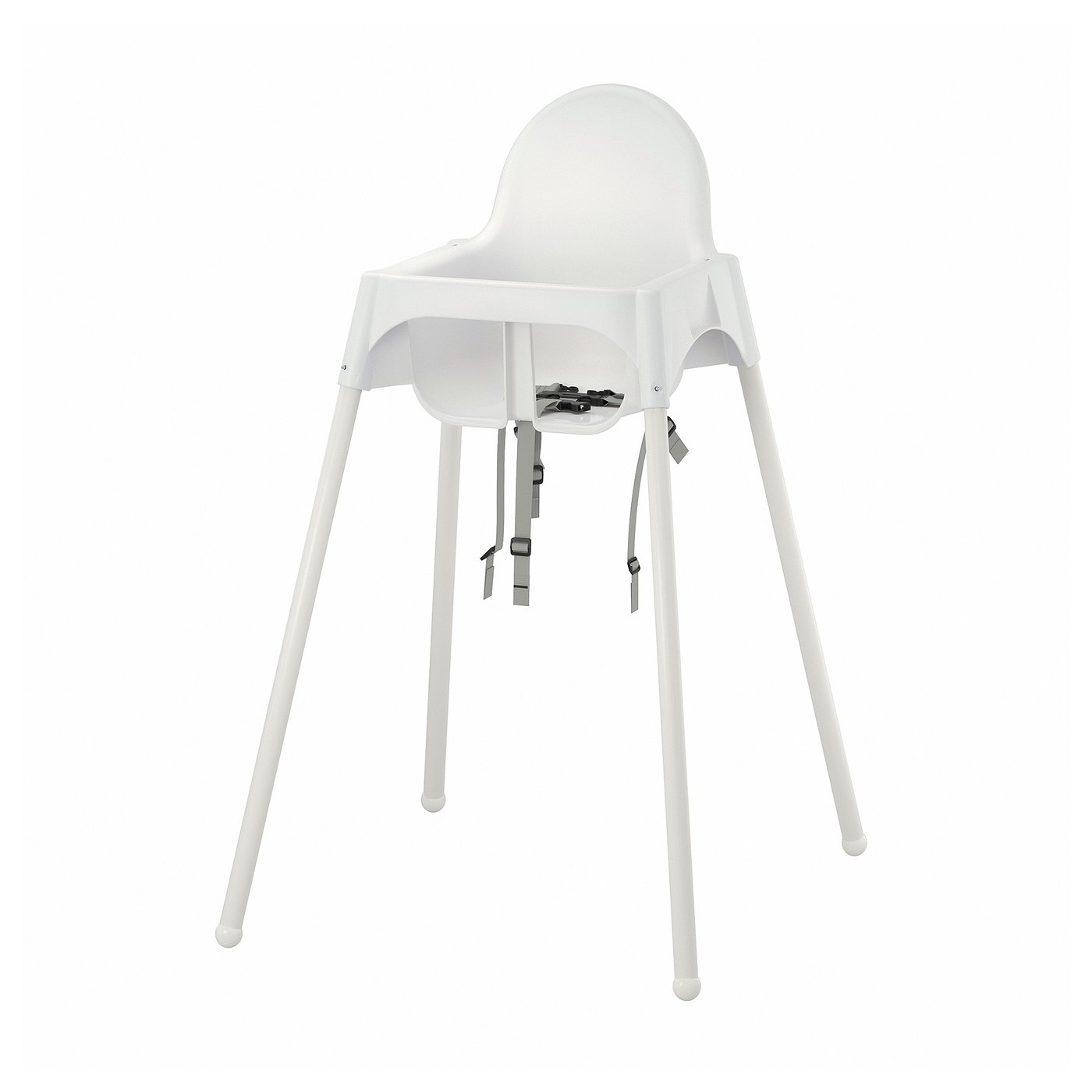
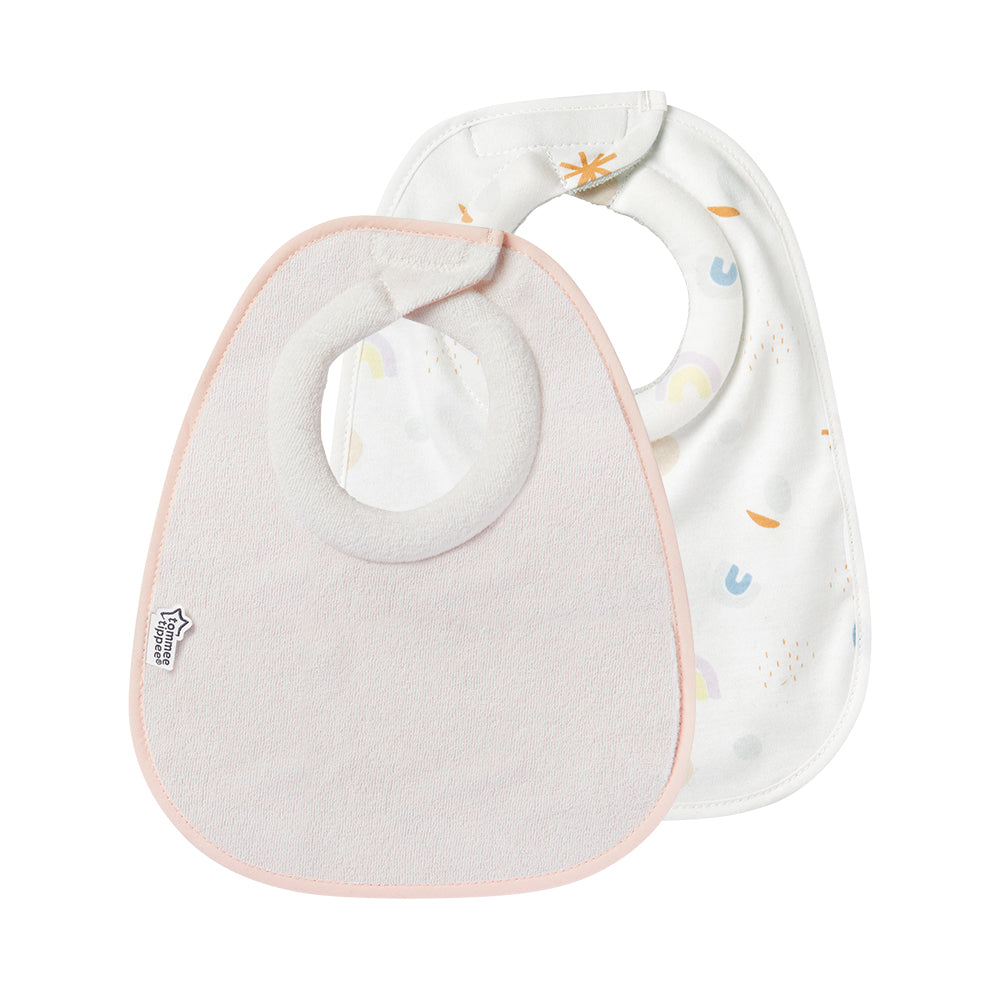
A few practical basics make the first weeks easier: a supportive highchair your baby can sit upright in, a set of freezer-safe pots for batch-cooking purees, and bibs that catch mess without irritating a still-sensitive chin. None of it needs to be expensive — plain weaning spoons and a blender you already own cover most of it.
Mentioned in this guide
Frequently asked questions
Can I start weaning before 4 months if my baby seems hungry?+
No — the NHS is clear that solid food should never be given before 4 months, whatever signs your baby is showing. Extra hunger at this age is almost always resolved by more frequent or larger milk feeds, not solids.
What if my baby was born prematurely?+
Readiness is based on your baby's developmental stage rather than their birth date alone, so talk to your health visitor or GP about timing if your baby was premature.
Do I need to introduce foods in a specific order?+
No. The NHS doesn't specify an order — starting with a single vegetable or fruit, offered a few days apart from any new food so you can spot reactions, is a sensible general approach.
Sources

Written by
Sepehr
Software engineer, soon-to-be dad, uncle to four — the tech-obsessed half of the two of us testing this stuff. Currently building this site with my wife, ahead of our own baby arriving.