Choosing the Right Nappy Size and Brand
Nappy size is about weight and fit signs, not your baby's age. Here's how to get sizing right, and how the main brand tiers compare.
Nappy sizing is based on weight, not age, and every brand's size bands differ slightly — which is why "size 3" from one brand can fit differently to "size 3" from another. Check the weight range printed on the pack rather than assuming last month's size is still correct, since babies move through weight bands at very different speeds.
Signs it's time to size up
- Red marks or indentations around the legs or waist after removal.
- Frequent leaks, particularly at the back or waistband, despite correct fitting.
- The tabs are stretched to their limit or barely meet.
- Visible gaps at the legs that weren't there before, even if the weight is technically still in range.
It's normal to keep a couple of packs of two adjacent sizes on hand during a growth spurt, since babies can jump a size within a couple of weeks.
How the main tiers compare
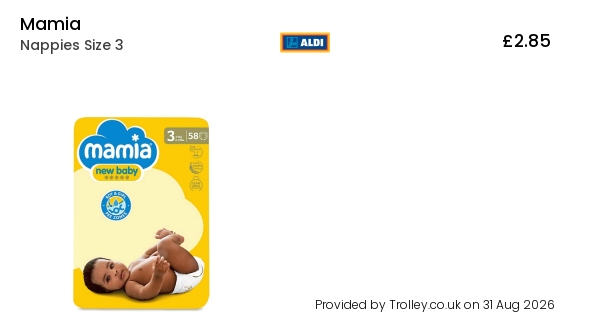
- Budget supermarket own-brand (Mamia, around £7 for a Jumbo Pack of 44-50) — a genuinely strong value option; independent nappy testing has repeatedly found supermarket own-brands perform comparably to premium brands on leak protection for many babies, at a significantly lower cost per change.
- Mainstream branded (Pampers Baby-Dry, £15 for a Jumbo+ pack) — consistently strong overnight absorbency, widely available, and a safe default if you haven't found a reason to switch.
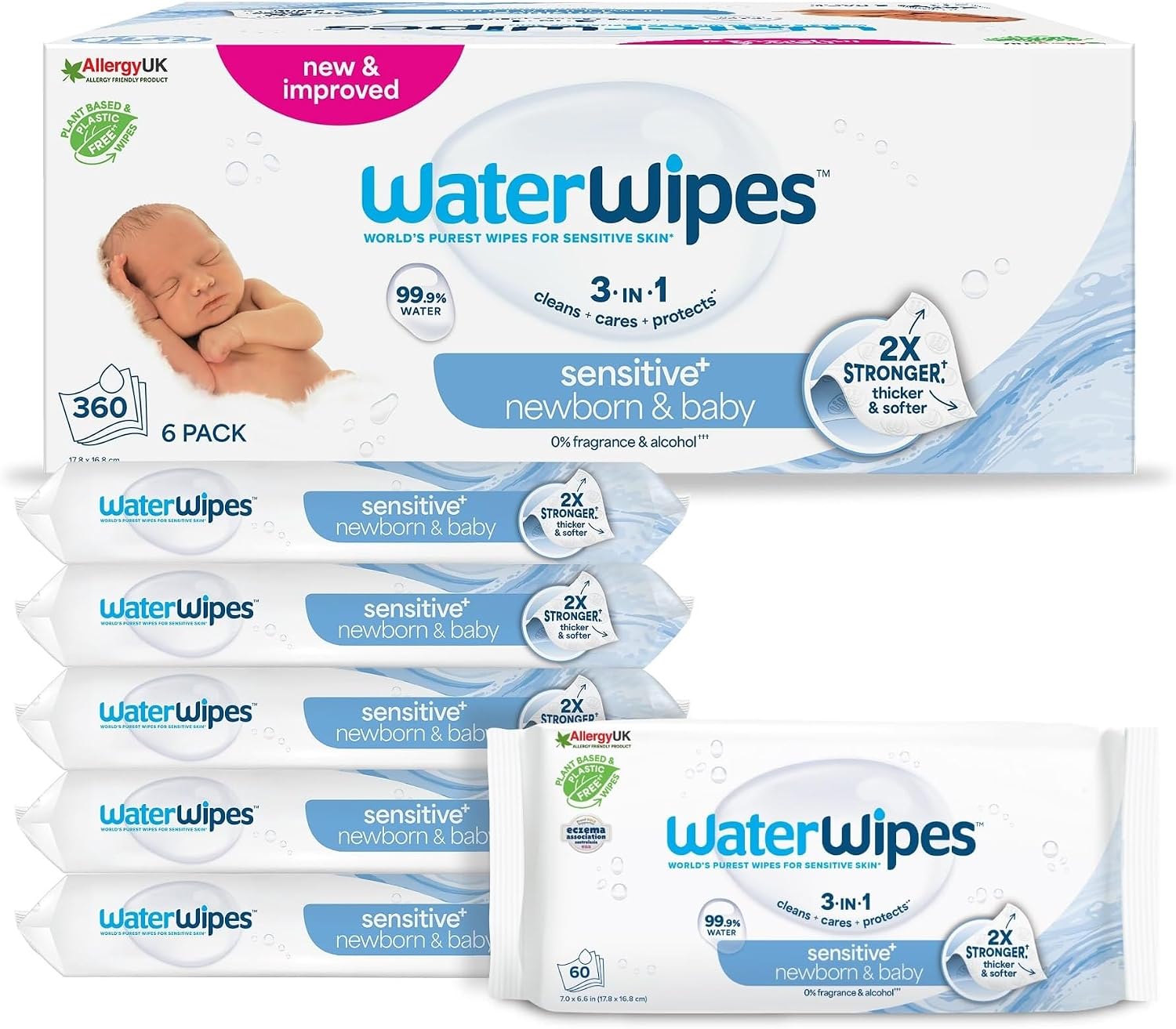
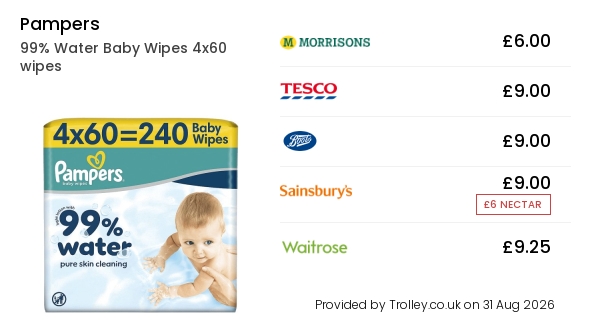
- Sensitive-skin focused wipes (WaterWipes, about £15 for 540 wipes; Pampers Sensitive, about £9 for 416) — both fragrance-free and designed to minimise irritation, worth prioritising if your baby has shown any redness or sensitivity with standard wipes. WaterWipes' 99.9% water formulation goes furthest on minimal ingredients, at a higher cost per wipe than Pampers Sensitive.
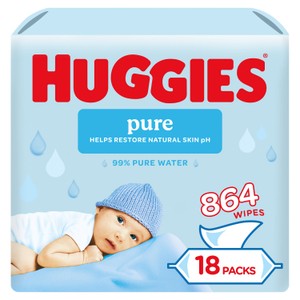
- Everyday wipes (Huggies Pure, £2 for 56) — a solid daily-use option without the premium price of the sensitive-skin tier, reasonable for babies with no history of skin reactions.
When to consider switching brands
Persistent leaking despite correct sizing, or any skin irritation around the nappy area, are the two clearest signals to try a different brand or tier rather than assuming it's just "how nappies are." Skin reactions in particular are worth switching for quickly, alongside checking whether wipes (not just the nappy itself) might be the actual irritant.
Nappy rash: when it's more than just fit
Occasional mild redness is common and usually resolves with more frequent changes and a barrier cream. The NHS recommends seeing a GP if rash persists beyond a few days despite home care, is severe, or is accompanied by blistering or spreading beyond the nappy area, since these can occasionally indicate a fungal or bacterial infection needing treatment.
Mentioned in this guide
Frequently asked questions
How do I know what nappy size my baby needs?+
Check the weight range on the pack, not age — brands vary in their exact size bands. Watch for red marks, leaks, or stretched tabs as signs it's time to size up.
Are budget nappies as good as premium brands?+
Independent testing has repeatedly found supermarket own-brand nappies perform comparably to premium branded ones for many babies on core leak protection, at a significantly lower cost per change.
When should I see a GP about nappy rash?+
If it persists beyond a few days despite frequent changes and barrier cream, is severe, or comes with blistering or spreading — this can occasionally indicate an infection needing treatment.
Sources

Written by
Sepehr
Software engineer, soon-to-be dad, uncle to four — the tech-obsessed half of the two of us testing this stuff. Currently building this site with my wife, ahead of our own baby arriving.