How to Track Ovulation When You're Trying to Conceive
There are four real ways to track ovulation, and you don't need all of them. Here's what each one actually involves, and how to pick.
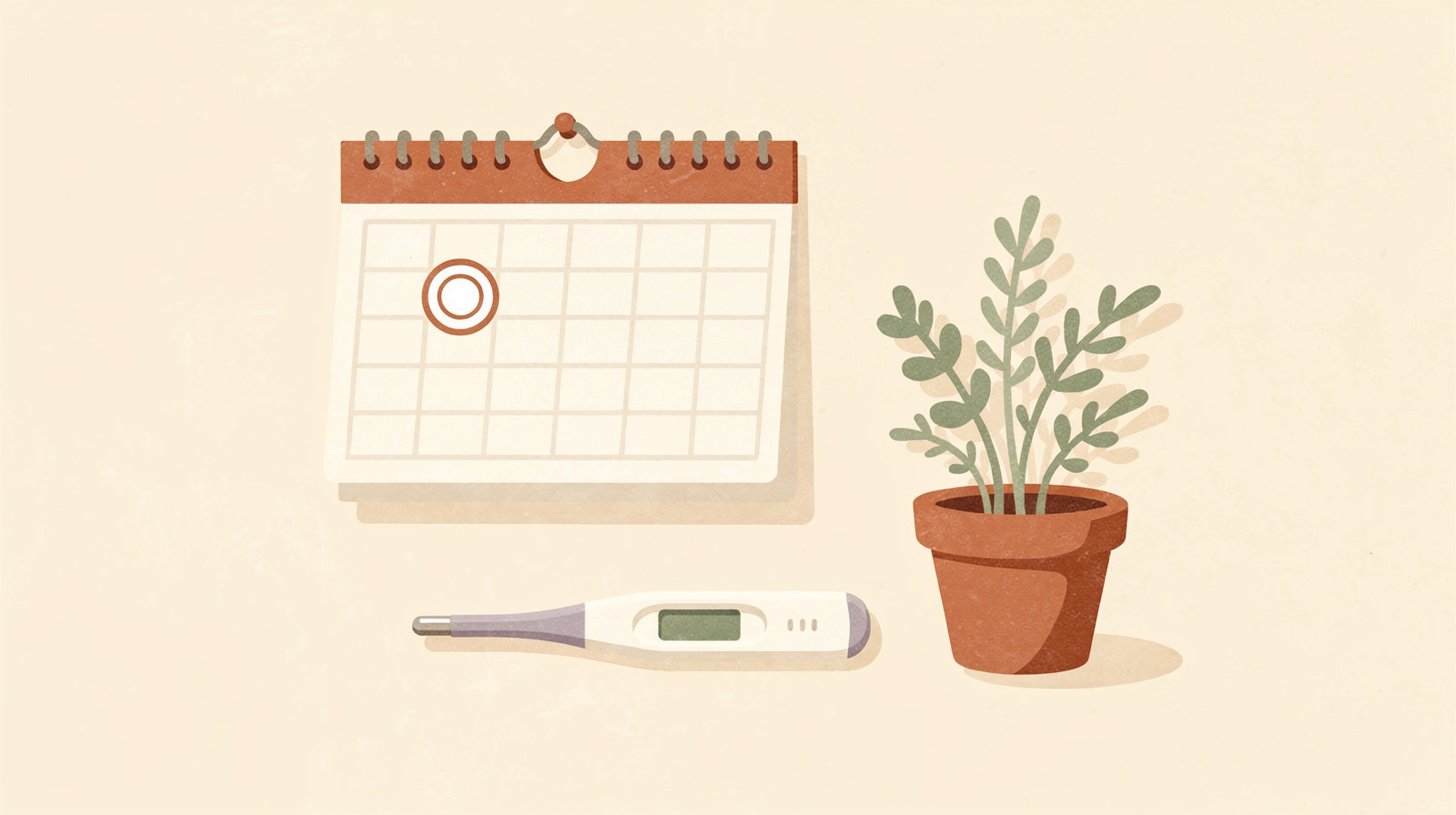
If you've just started trying to conceive, "track your ovulation" is the advice you'll hear most — and the least explained. There are four genuinely different ways to do it, they range from free to fairly expensive, and most people only need one. Here's what each one actually involves.
Why timing matters more than anything else
You can only get pregnant on a handful of days each cycle. An egg survives for around 24 hours after it's released, while sperm can survive in the body for up to 7 days — so your realistic fertile window is roughly the 5–6 days ending on the day of ovulation itself. Ovulation typically happens about 14 days before your next period starts, which is why cycle length matters more than counting from the start of your last one, especially if your cycles aren't a textbook 28 days.
This is also why "day 14" advice is unreliable for a lot of people: it only holds if your cycle is exactly 28 days. If yours runs 24 or 34 days, day 14 tells you almost nothing.
The four ways to track ovulation
1. Ovulation test kits (LH tests)
These test your urine for luteinizing hormone (LH), which surges 24–36 hours before you ovulate. They're the most direct way to catch the fertile window in real time, and come in two flavours:
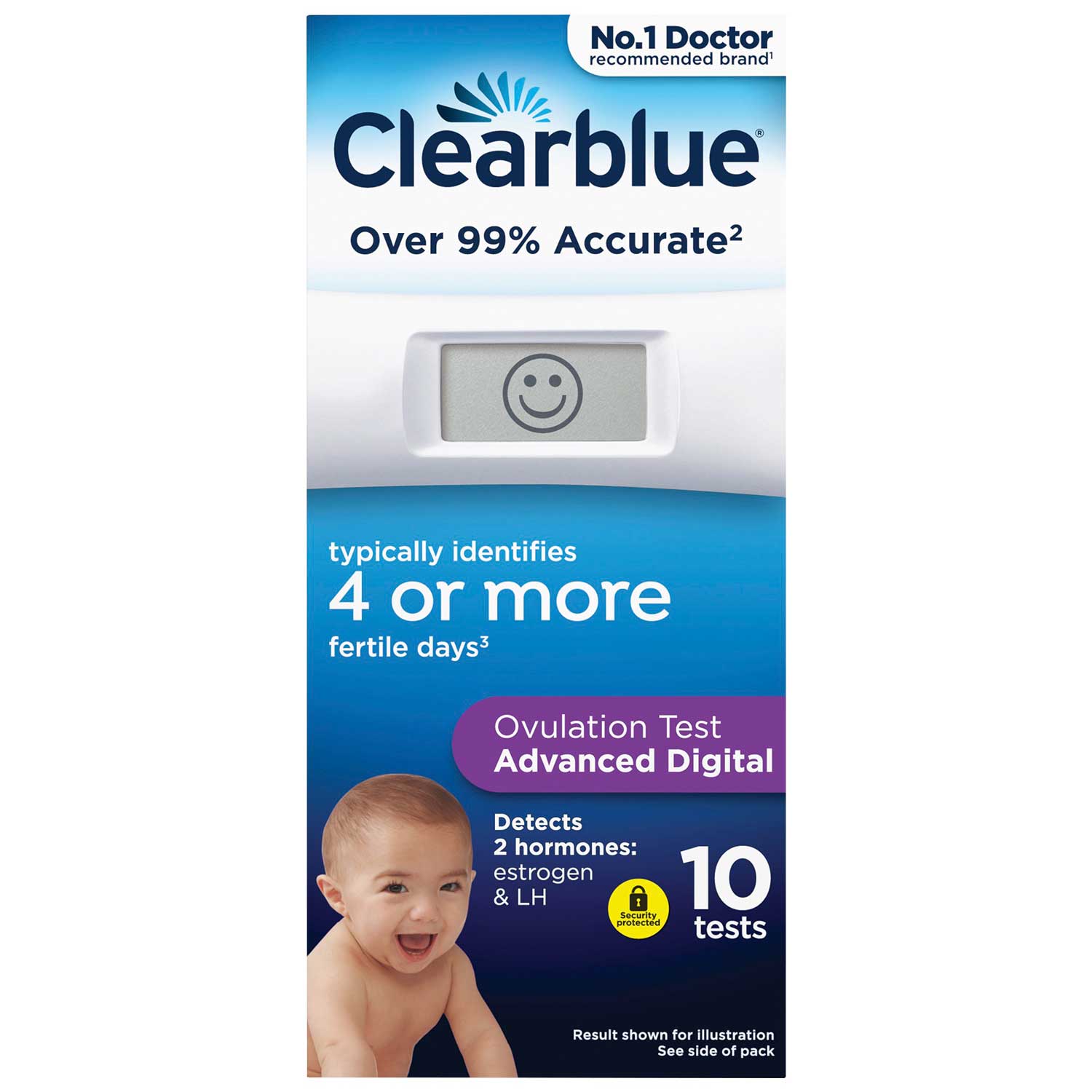
- Digital tests (like the Clearblue Advanced Digital) give you a clear smiley-face result and, on the higher-end versions, track two hormones instead of one — which typically identifies more fertile days per cycle, not just the single peak day.
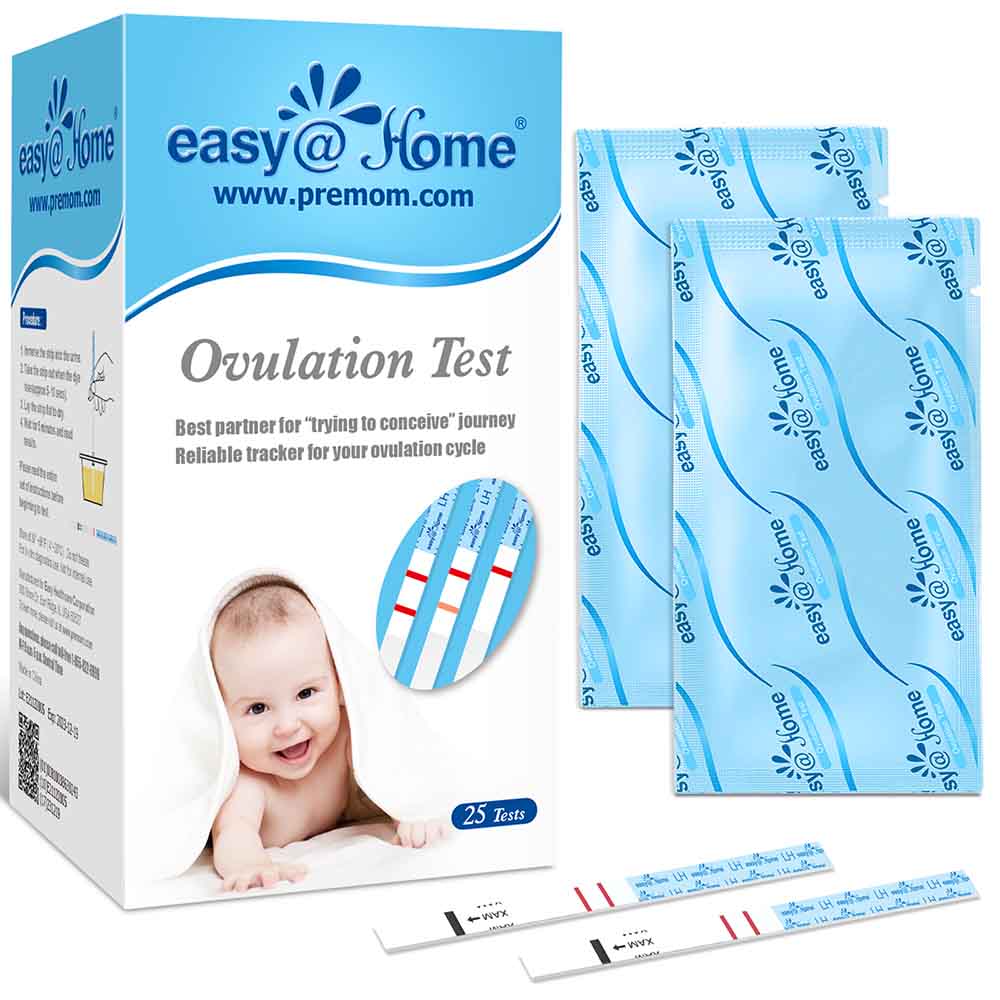
- Basic strip tests (like Easy@Home's) are a fraction of the price per test, which matters if your cycles are long or irregular and you need to test for a week or more each month. The trade-off is a manual line-comparison read instead of a digital yes/no.
Both work on the same underlying science. If cost isn't a concern and you want the least room for reading error, go digital. If you're testing for many days a month, strips add up to real savings.
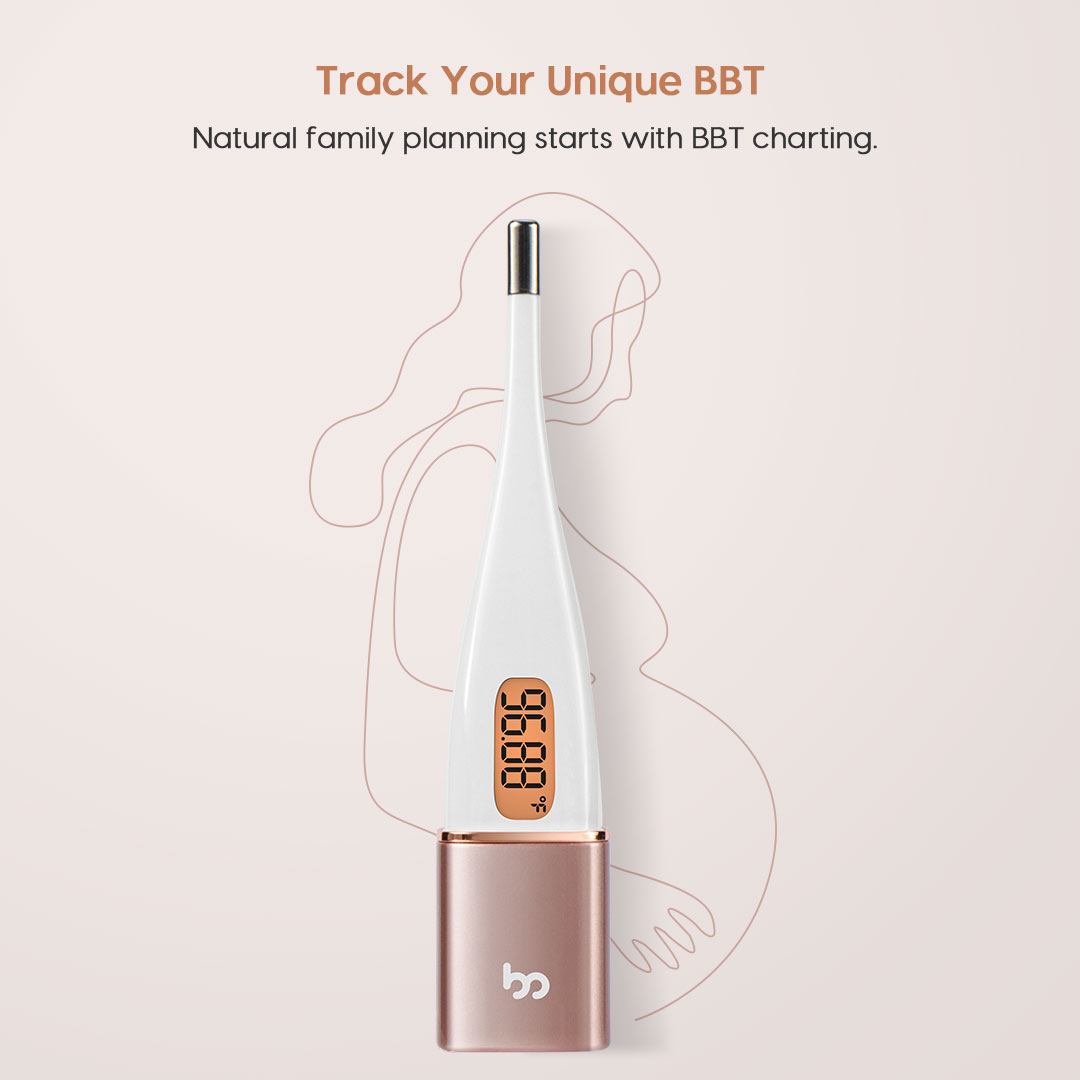
2. Basal body temperature (BBT)
Your resting body temperature rises slightly (around 0.2–0.5°C) after ovulation has already happened, due to progesterone. This means BBT confirms ovulation happened rather than predicting it in advance — useful for understanding your own cycle pattern over 2–3 months, less useful for same-cycle timing on its own. A dedicated basal thermometer (accurate to two decimal places) paired with a tracking app is far more reliable than a regular thermometer, since the temperature shift is small enough that normal thermometer precision misses it.
3. Cervical mucus
Free, and genuinely useful once you know what you're looking for: fertile mucus becomes clearer, wetter and more stretchy (often described as "egg white") in the days leading up to ovulation. It takes a cycle or two to learn your own pattern, and it's easiest used alongside one of the other methods rather than alone.
4. Cycle tracking apps
Apps like Flo use your logged cycle data (and, on paired devices, temperature or hormone data) to predict your fertile window ahead of time. They're genuinely helpful for spotting patterns and getting reminders, but worth knowing: no fertility app is officially endorsed by the NHS, and predictions are only as good as the data and the regularity of your cycle. Treat app predictions as a helpful estimate to plan around, not a substitute for a test kit if you want same-cycle confirmation.
Which method should you actually use?
Most people get the best results combining two: an LH test kit for real-time detection, plus either an app or a BBT thermometer to understand their broader pattern. If your cycles are regular and you want the simplest possible approach, a digital LH test alone is enough for most people. If your cycles are irregular, strip tests are the more affordable way to test across a longer window each month.
Don't skip folic acid while you're trying
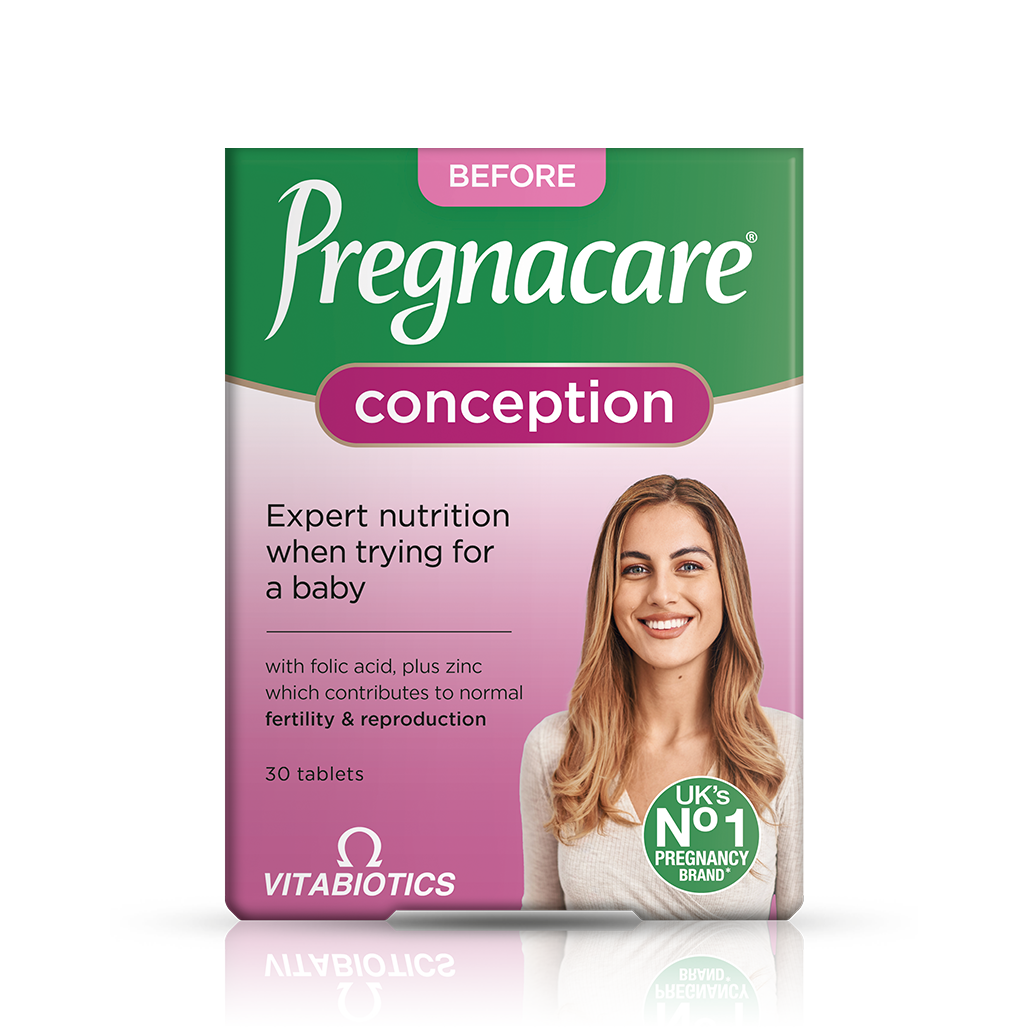
Whichever tracking method you use, the NHS recommends taking a 400 microgram folic acid supplement every day before you conceive — ideally starting as soon as you begin trying — and continuing until you're 12 weeks pregnant, to reduce the risk of neural tube defects like spina bifida. A combined conception multivitamin (like Pregnacare Conception) covers this alongside other nutrients recommended during the trying-to-conceive stage.
When to see a GP
The NHS advises seeing a GP if you haven't conceived after a year of trying with regular unprotected sex. If you're 36 or over, or you already suspect a fertility issue on either side, see a GP after six months rather than waiting the full year — earlier investigation gives more options.
Mentioned in this guide

Frequently asked questions
How soon after stopping contraception can I start tracking ovulation?+
Straight away for barrier methods and the mini-pill. After combined pill, patch or ring use, cycles can take a cycle or two to become regular again, so ovulation tests may give unreliable readings at first. Coming off an IUD or implant, most people's cycles return to their previous pattern within one to three months.
Do ovulation tests work if I have irregular cycles?+
Yes, but you'll need to test over a longer window each cycle rather than a fixed few days, since you can't predict the LH surge as precisely. This is exactly where cheaper strip tests are more practical than digital kits, purely on cost per test.
How long does it typically take to get pregnant?+
Around 1 in 3 couples conceive in the first month of trying, and roughly 84% conceive within a year of regular unprotected sex. It's still considered normal to take up to 12 months, or up to 24 months before a fertility issue is formally investigated.
Can I use an ovulation test and a tracking app together?+
Yes, and it's a genuinely good combination. Log your test results in the app so its predictions improve over time, and use the test as your real-time confirmation rather than relying on the app's prediction alone.
When should I see a GP if I'm not getting pregnant?+
After a year of trying, or after six months if you're 36 or over or already suspect a fertility issue. A GP can check for common causes and refer you to a fertility clinic if needed.
Sources

Written by
Sepehr
Software engineer, soon-to-be dad, uncle to four — the tech-obsessed half of the two of us testing this stuff. Currently building this site with my wife, ahead of our own baby arriving.