Teething Signs and What Actually Helps
Amber necklaces don't work and aren't safe. Here's what genuinely helps a teething baby, according to NHS guidance.
Teething gets blamed for almost everything in the first two years — fevers, diarrhoea, disrupted sleep, general crankiness. The reality, per NHS guidance, is narrower: teething causes specific, local symptoms, and treating everything else as "just teething" can mean missing something that actually needs attention.
What teething genuinely causes
- Red, sore or swollen gums
- One flushed cheek
- A mild raised temperature (below 38°C)
- Increased dribbling
- Gnawing or chewing on things
- Being more irritable or clingy than usual
- Rubbing their ear or face
What the NHS is explicit is not caused by teething: a temperature above 38°C, diarrhoea, or a rash. If your baby has any of these, treat it as a separate illness and seek advice rather than waiting it out as teething.
What actually helps
Teething rings and toys
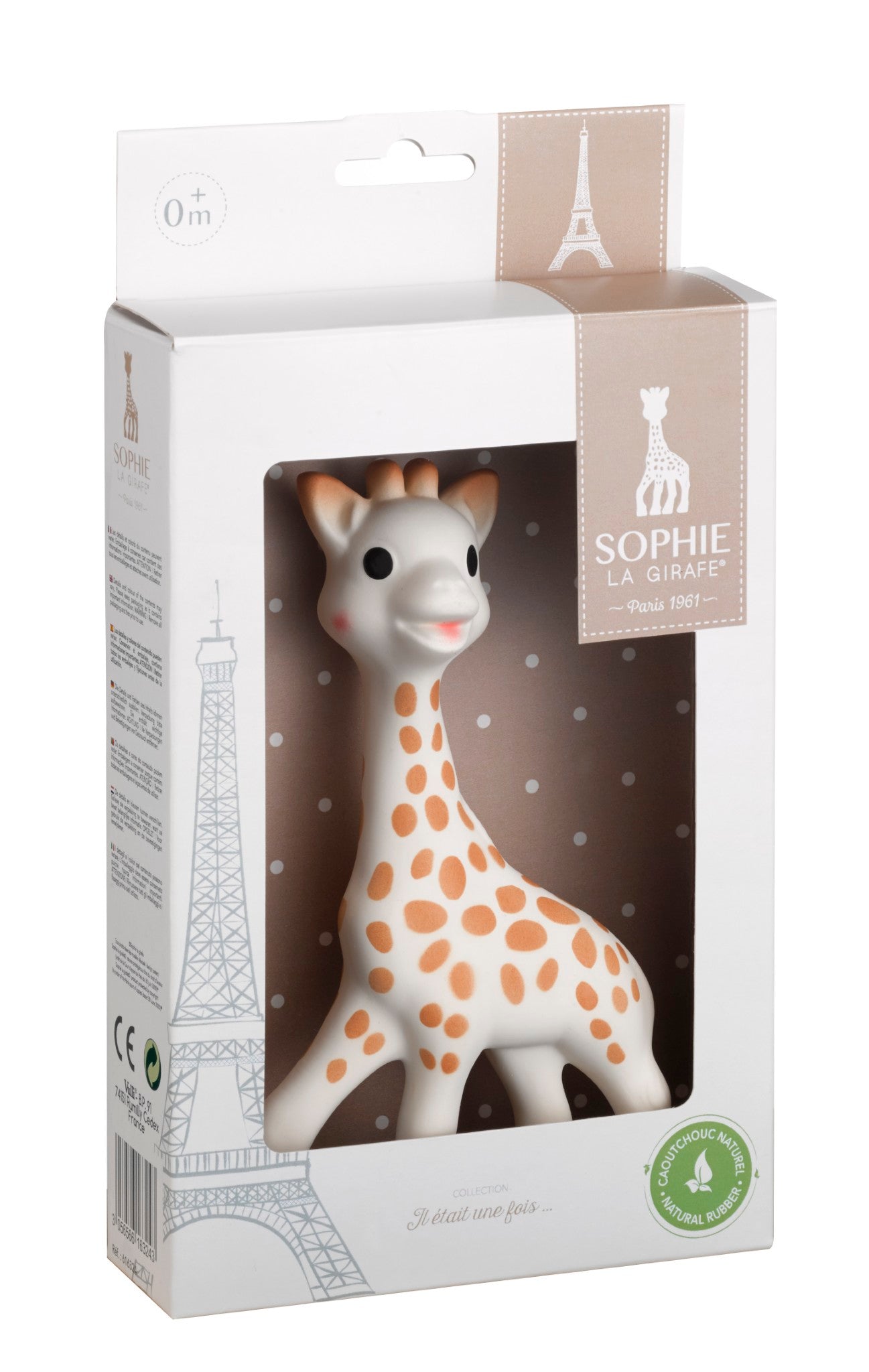
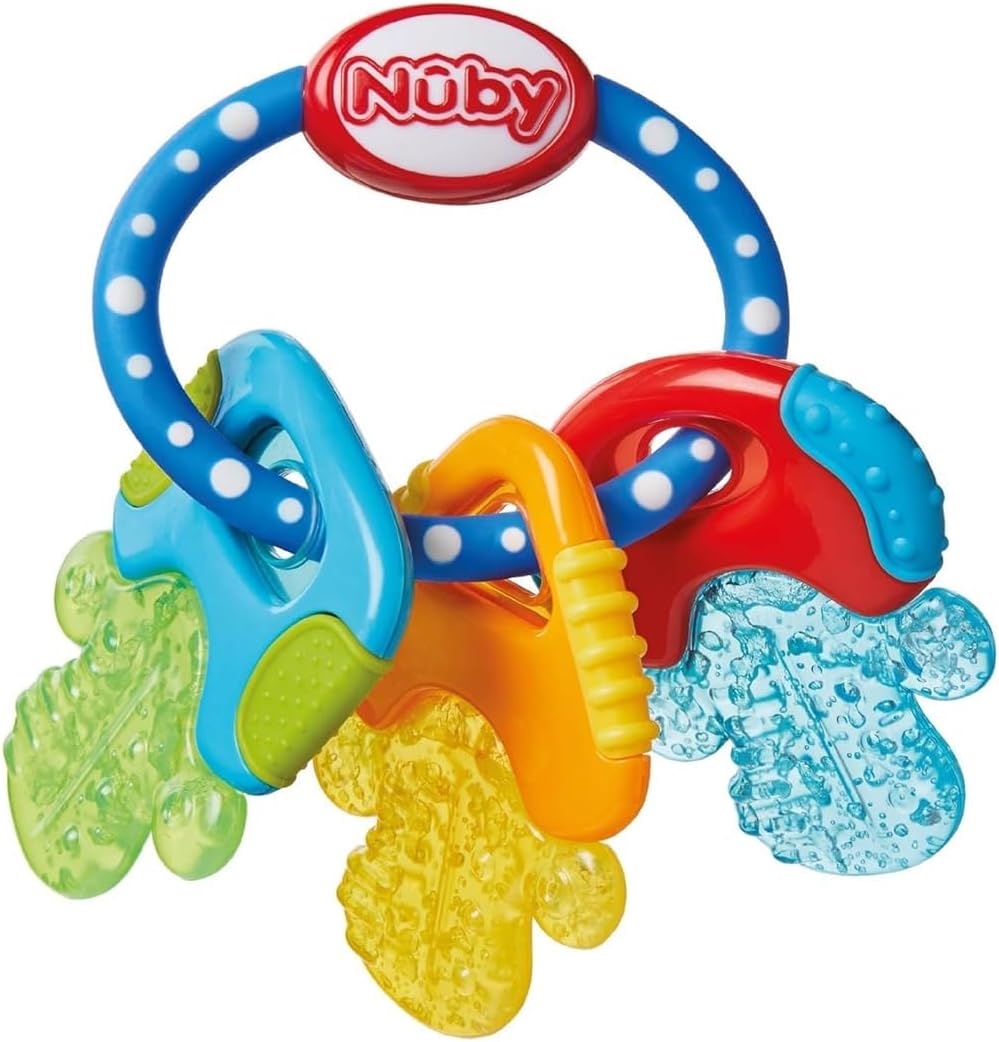
Gently chewing on a clean, firm object provides counter-pressure that eases gum discomfort. Chilled (not frozen) teething rings work well — the cold has a mild numbing effect. Always check the product is designed for teething and free of small detachable parts.
Gently rubbing the gum
A clean finger, gently rubbed over the sore gum, is free and genuinely soothing for a lot of babies.
Sugar-free teething gel
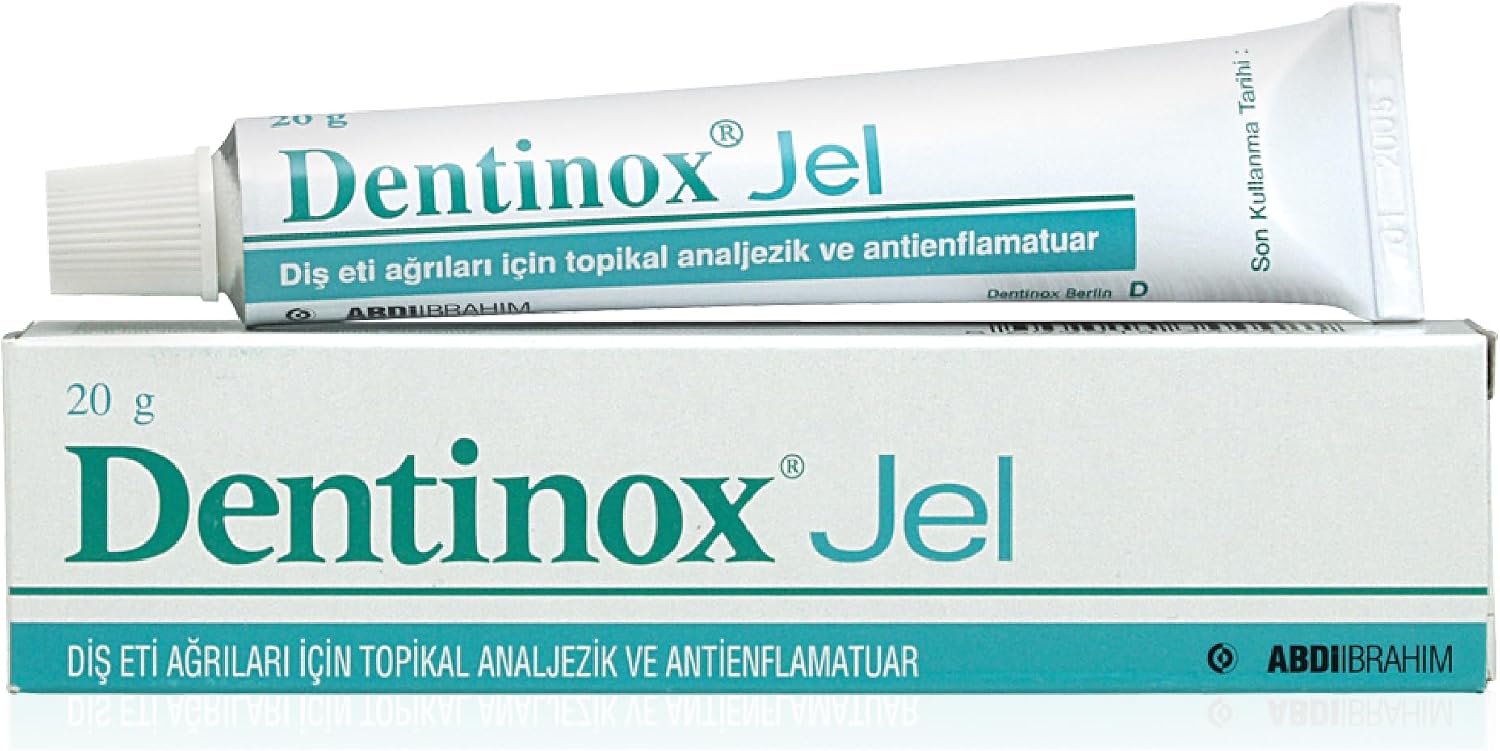
The NHS notes that sugar-free teething gels containing a local anaesthetic can be used, following the dosing instructions on the packet carefully.
Paracetamol or ibuprofen
Infant paracetamol or ibuprofen at the correct age-appropriate dose can help if your baby is in genuine discomfort — check the packet for age and weight guidance, and speak to a pharmacist if unsure.
What doesn't help, and what to avoid
- Amber teething necklaces. There's no good evidence they relieve teething pain, and they carry a genuine choking and strangulation risk — the NHS and most paediatric bodies advise against them.
- Teething gels or granules containing certain ingredients. Always check with a pharmacist before using anything not clearly labelled and marketed for infant teething, and avoid homeopathic teething products, which the MHRA has previously flagged for inconsistent ingredient content.
- Rubbing alcohol or aspirin on the gums — never appropriate for infants.
When to see a GP
See a GP or health visitor if your baby has a temperature over 38°C, seems unusually unwell, has diarrhoea, or you're simply not sure whether what you're seeing is teething or something else. It's a reasonable, common reason to seek reassurance, and better than assuming everything is teething and missing a separate illness.
Mentioned in this guide

Frequently asked questions
Do amber teething necklaces actually work?+
No good evidence supports them, and they carry a real strangulation and choking risk, which is why the NHS and most paediatric health bodies advise against using them.
Can teething cause a high fever?+
No. Teething can cause a mild raised temperature below 38°C, but a fever above that isn't caused by teething and should be treated as a separate illness needing attention.
What age does teething usually start?+
Most babies get their first tooth around 6 months, though it can range from as early as 3 months to after their first birthday — both are within the normal range.
Sources

Written by
Sepehr
Software engineer, soon-to-be dad, uncle to four — the tech-obsessed half of the two of us testing this stuff. Currently building this site with my wife, ahead of our own baby arriving.