Toddler Fussy Eating: What Actually Helps (and What Makes It Worse)
Fussy eating is extremely common between 1 and 3 years old. Pressure tends to make it worse, not better — here is what genuinely helps.
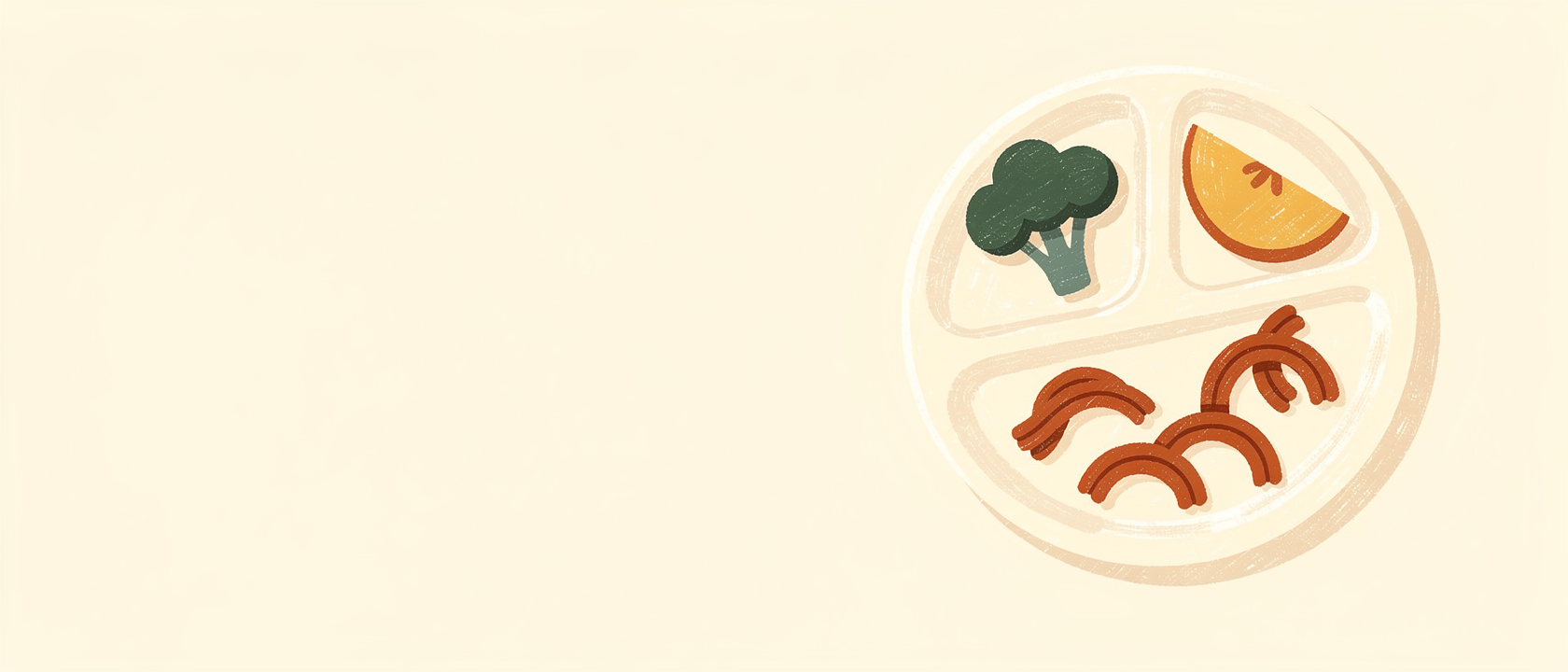
Fussy eating — refusing foods, eating a very narrow range, or rejecting anything that touches something else on the plate — is extremely common between around 1 and 3 years old, and for most toddlers it's a normal developmental phase rather than a sign anything is wrong. It coincides with toddlers asserting independence over the very few things they can control, and food is one of the biggest.
What tends to make it worse
- Pressure and bribery. "Just one more bite" or "you can have pudding if you finish your dinner" both tend to increase resistance over time and can shift the focus from food to the battle itself.
- Making a big reaction to refusal. Visible frustration or worry gives the refusal attention, which can unintentionally reinforce it.
- Offering alternatives immediately. If a rejected meal is quickly swapped for a preferred snack, there's no incentive to try the original food, and it can quickly narrow the accepted range further.
What genuinely helps
- Keep offering, without pressure. It commonly takes 8-15 exposures to a new food before a toddler accepts it — a single rejection isn't the end of the story, and repeated calm reintroduction (not force) is the single most evidence-backed strategy.
- Serve new foods alongside familiar ones, so there's always something on the plate they'll definitely eat, which lowers mealtime anxiety for both of you.
- Let them see you eating the same food. Toddlers are highly influenced by modelling, especially from parents and older siblings.
- Involve them in low-stakes food prep — washing vegetables, stirring, choosing between two options at the shop — which increases willingness to try the result.
- Keep mealtimes reasonably short (around 20-30 minutes) and end them without drama, whether or not much was eaten.
Is my toddler getting enough nutrition?
Most fussy eaters, even those with a narrow range, get adequate nutrition over the course of a week rather than any single meal, because appetite and intake naturally vary day to day at this age. The NHS recommends a daily vitamin A, C and D supplement for most children aged 1-4, partly as a safety net for exactly this kind of variable intake — check with a health visitor about the right product and dose.
When to get advice
Speak to a GP or health visitor if your toddler is losing weight, refusing entire food groups for a prolonged period, gagging or vomiting regularly around food, or if fussy eating is affecting their growth on the health visitor's growth chart. These situations are less common than everyday fussiness and benefit from tailored support rather than general strategies.
Mentioned in this guide

Frequently asked questions
How many times should I offer a food my toddler rejected?+
Research suggests it commonly takes 8-15 exposures before a new food is accepted. Keep reintroducing it calmly, without pressure, alongside familiar foods.
Should I make a separate meal if my toddler refuses dinner?+
Generally no — offering an immediate preferred alternative can reduce the incentive to try the original food and narrow the accepted range further over time. Keep familiar, accepted foods alongside new ones instead.
Does my toddler need a vitamin supplement?+
The NHS recommends a daily vitamin A, C and D supplement for most children aged 1-4, given how variable toddler intake can be day to day. Check with a health visitor for the right product and dose.
Sources

Written by
Sepehr
Software engineer, soon-to-be dad, uncle to four — the tech-obsessed half of the two of us testing this stuff. Currently building this site with my wife, ahead of our own baby arriving.