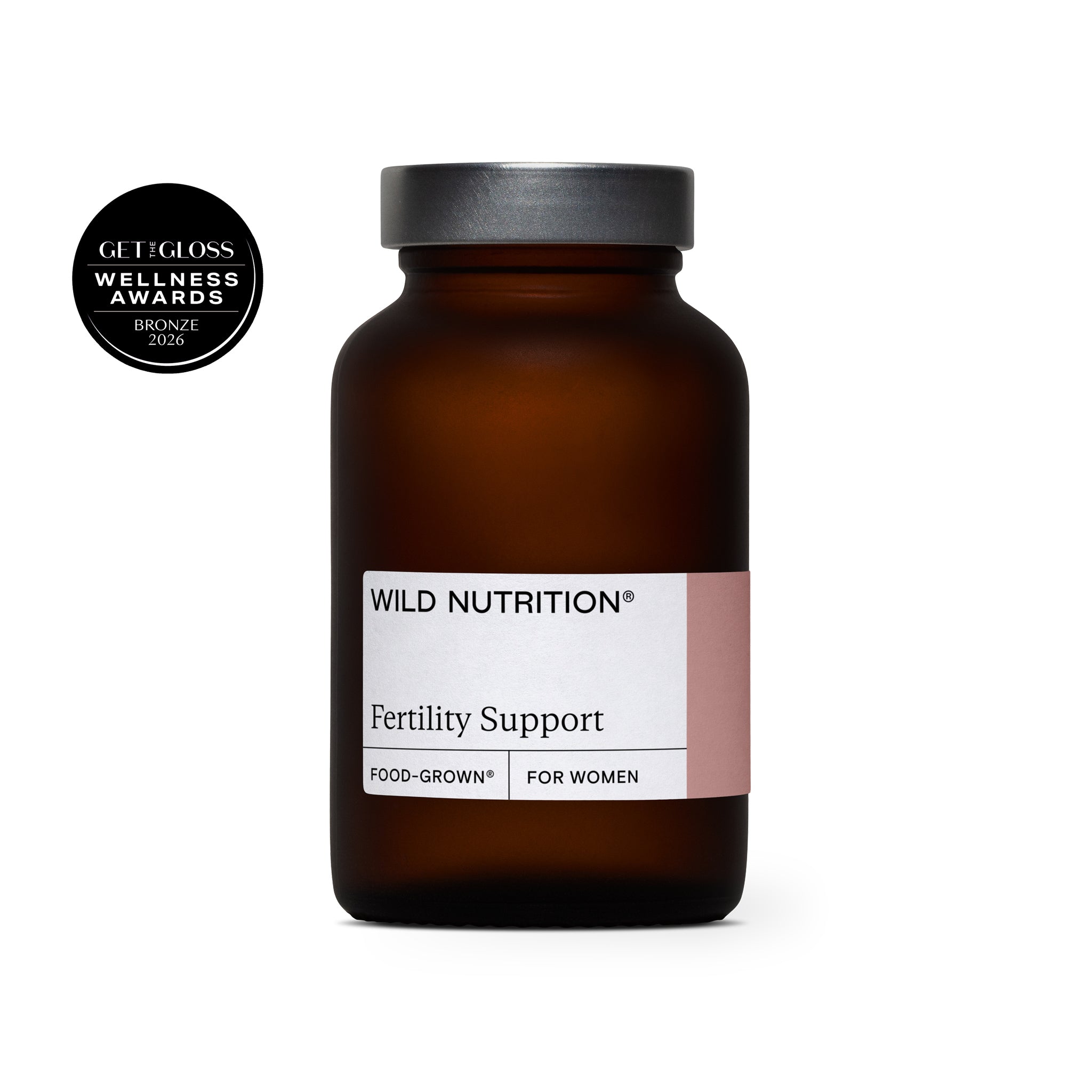
Wild Nutrition
Fertility Support For Her
7/10 overall£38.00 (30-day supply)
Food-grown folate and nutrients in a gentler, whole-food form for those sensitive to synthetic vitamins.
The core difference here is the raw material: instead of synthetic folic acid and isolated mineral compounds, Wild Nutrition ferments and food-grows its nutrients, which is meant to mimic the form your body would get from food rather than a lab-synthesised isolate. In practice, the people who notice the difference are usually those who have previously felt queasy or bloated on standard prenatal or conception vitamins — this formulation is genuinely gentler for a meaningful subset of users, not just a marketing claim, and it is one of the more credible "food-state" supplement brands on the UK market.
Set against Pregnacare Conception, the comparison is almost entirely about price versus tolerability. At £38 for a month's supply, Wild Nutrition costs roughly three times what Pregnacare does for what is, nutrient-for-nutrient, a broadly comparable spread of folate, zinc and supporting vitamins. You are paying for the food-grown process and the gentler experience it tends to deliver, not for a materially different nutrient panel. If tolerability has never been an issue for you, that premium is difficult to justify on nutrition alone.
This suits people who have a demonstrated sensitivity to standard multivitamins — nausea, an upset stomach, or a general aversion to swallowing "chemically" tasting tablets — and who are willing to pay more for a formulation they can actually stick with consistently, which matters more for conception outcomes than which exact vitamin form you use. If cost is a bigger factor than tolerability, or you have never had trouble with standard prenatals, Pregnacare Conception will do the job for a lot less money.
The genuine downsides are the price and availability: this is not a supermarket staple, and the smaller UK supply chain means it occasionally sells out or has longer restock gaps than the mainstream brands, which is worth planning around if you are relying on continuous daily use across several months of trying to conceive.
What we liked
- Gentler food-grown formulation for sensitive stomachs
- Whole-food nutrient forms, not synthetic isolates
- Well regarded among food-state supplement brands
Where it falls short
- Roughly three times the price of standard prenatals
- Can sell out due to smaller supply chain
- No clear nutritional edge over cheaper options if tolerability isn't an issue
Specs
- Form
- Tablet
- Dosage
- As directed, typically 3-4 tablets daily
- Pack size
- 30-day supply
- Folate form
- Food-grown folate
- Key nutrients
- Zinc, Vitamin D, B vitamins, antioxidants
- Dietary suitability
- Vegetarian
How we scored it
Nutrient Completeness
Coverage of folic acid, zinc, vitamin D and other conception-relevant nutrients at recommended doses.
Tolerability
How easy the supplement is to take and digest without side effects.
Food-grown form suits people who find synthetic prenatals nauseating.
Value for Money
Cost per month relative to what you get.
Roughly three times the price of a standard conception tablet.
Weighted by importance for this category — see our editorial policy for how we test.
The alternative
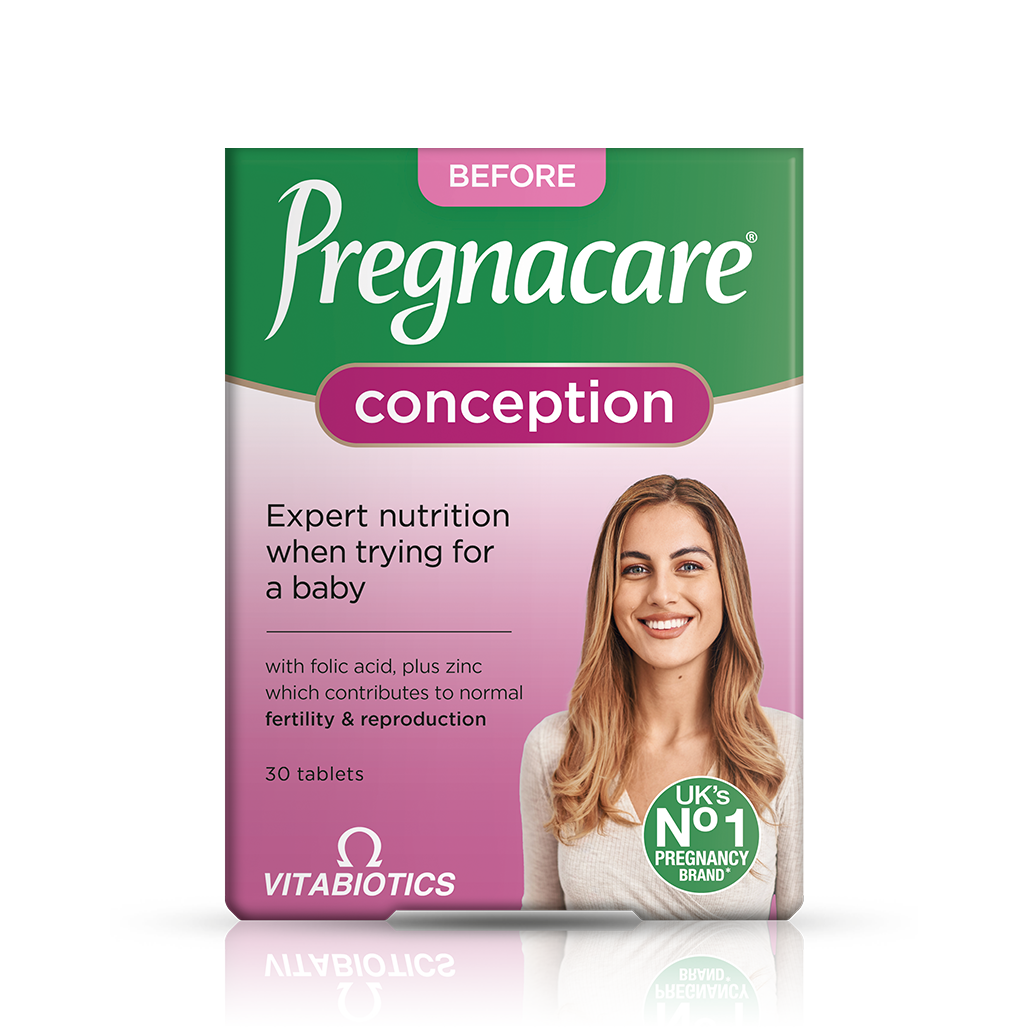
Pregnacare
Conception Vitamin & Mineral Tablets
The UK's best-selling conception supplement — 400mcg folic acid plus zinc and vitamin D for both partners trying to conceive.