Folic Acid Before Pregnancy: How Much, and When to Start
400 micrograms, started before conception, continued to week 12 — that's the standard advice. Here's who needs a different dose, and why timing matters more than people think.
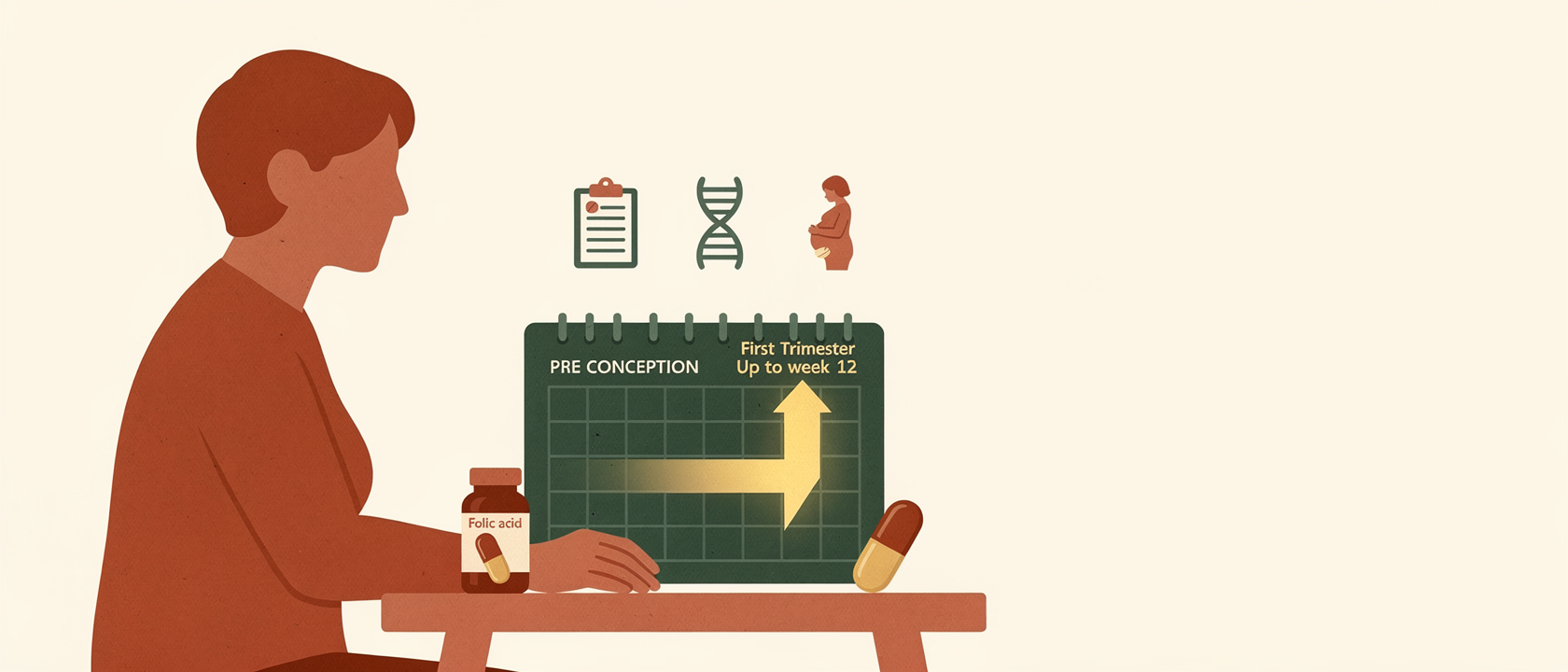
Folic acid is the one supplement almost every piece of pregnancy advice agrees on, and for good reason: it's the single most evidence-backed intervention for reducing the risk of neural tube defects like spina bifida. Here's exactly what the NHS recommends, and why the timing matters as much as the dose.
The standard dose: 400 micrograms a day
The NHS recommends 400 micrograms (mcg) of folic acid daily, starting as soon as you begin trying to conceive (or as soon as you find out you're pregnant, if the pregnancy wasn't planned), and continuing until you're 12 weeks pregnant. After that point, a balanced diet generally covers your folate needs, though many people continue a full pregnancy multivitamin regardless for the other nutrients it contains.
Why start before conception, not after a positive test
The neural tube — which becomes the brain and spinal cord — develops in the first 28 days after conception, often before you even know you're pregnant. This is why the advice is to start folic acid before trying, not after a positive test: by the time most people confirm a pregnancy (typically 4–5 weeks), the neural tube is already partway through forming. Starting early gives folic acid time to reach protective levels in your body before it's needed.
Who needs the higher 5mg dose
A small group of people are advised to take a much higher dose — 5 milligrams (5mg, i.e. 5000mcg, over 12 times the standard dose) — on GP prescription rather than over the counter. This applies if you or your partner have a neural tube defect, you've had a previous pregnancy affected by one, you have diabetes, you're taking anti-epileptic medication, you have a BMI over 30, or you have coeliac disease or another condition affecting nutrient absorption. If any of these apply to you, speak to a GP rather than assuming the standard 400mcg dose is enough.
Food sources vs supplements
Folate (the natural form found in food) is present in leafy greens, broccoli, chickpeas, and fortified breakfast cereals, but the NHS is clear that diet alone is not considered reliable enough to reach protective levels — a supplement is recommended regardless of how well you eat. Folic acid (the synthetic form in supplements and fortified foods) is more consistently absorbed than dietary folate.
Standalone folic acid vs a combined conception multivitamin
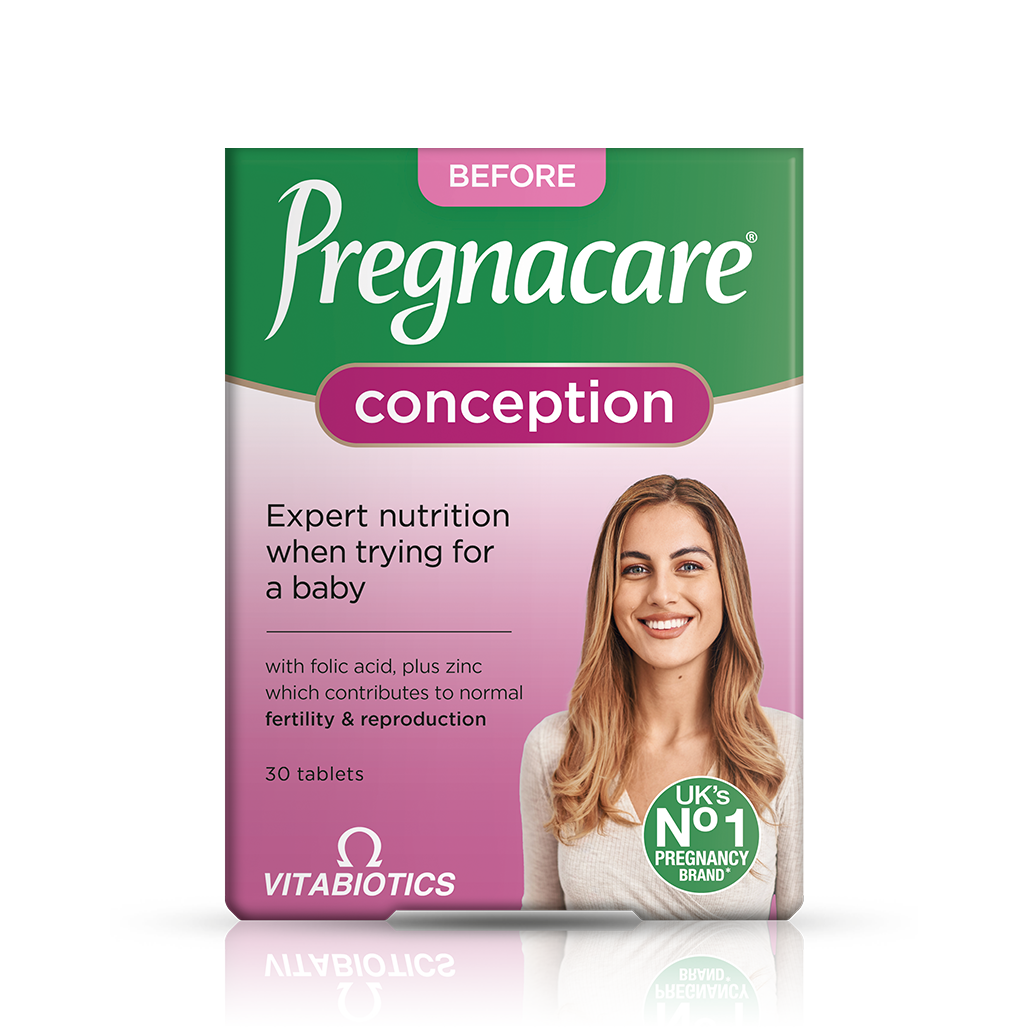
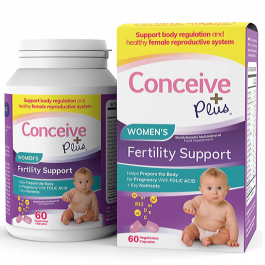
A standalone 400mcg folic acid tablet covers the core recommendation at minimal cost. A combined conception multivitamin (like Pregnacare Conception) adds vitamin D, iron, and other nutrients relevant to the trying-to-conceive stage in one tablet — more convenient, and often useful if your diet has other gaps, but not strictly necessary if folic acid is the only thing you're missing.
Vitamin D — the other one worth knowing about
Alongside folic acid, the NHS also recommends a daily 10-microgram vitamin D supplement throughout pregnancy and while breastfeeding, since it's genuinely difficult to get enough from diet and UK sunlight exposure alone, especially in autumn and winter.
Mentioned in this guide
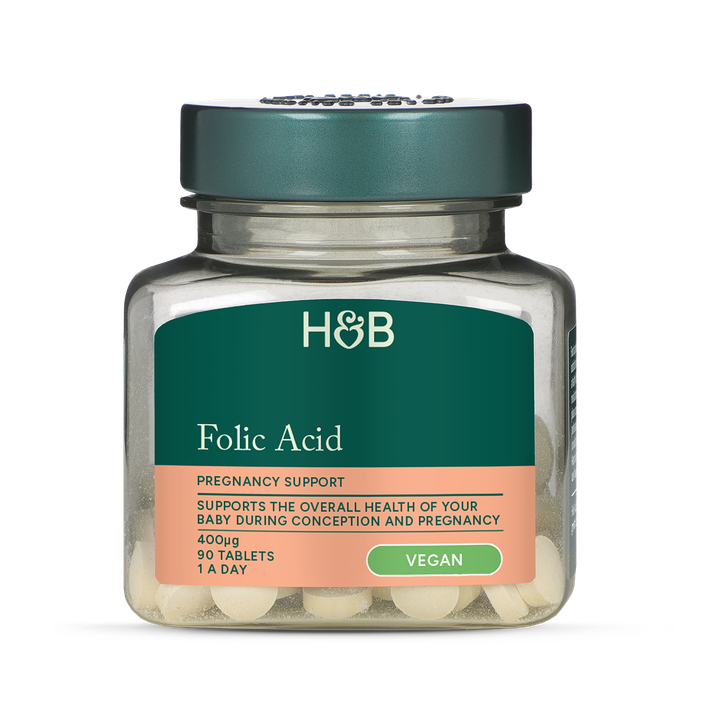
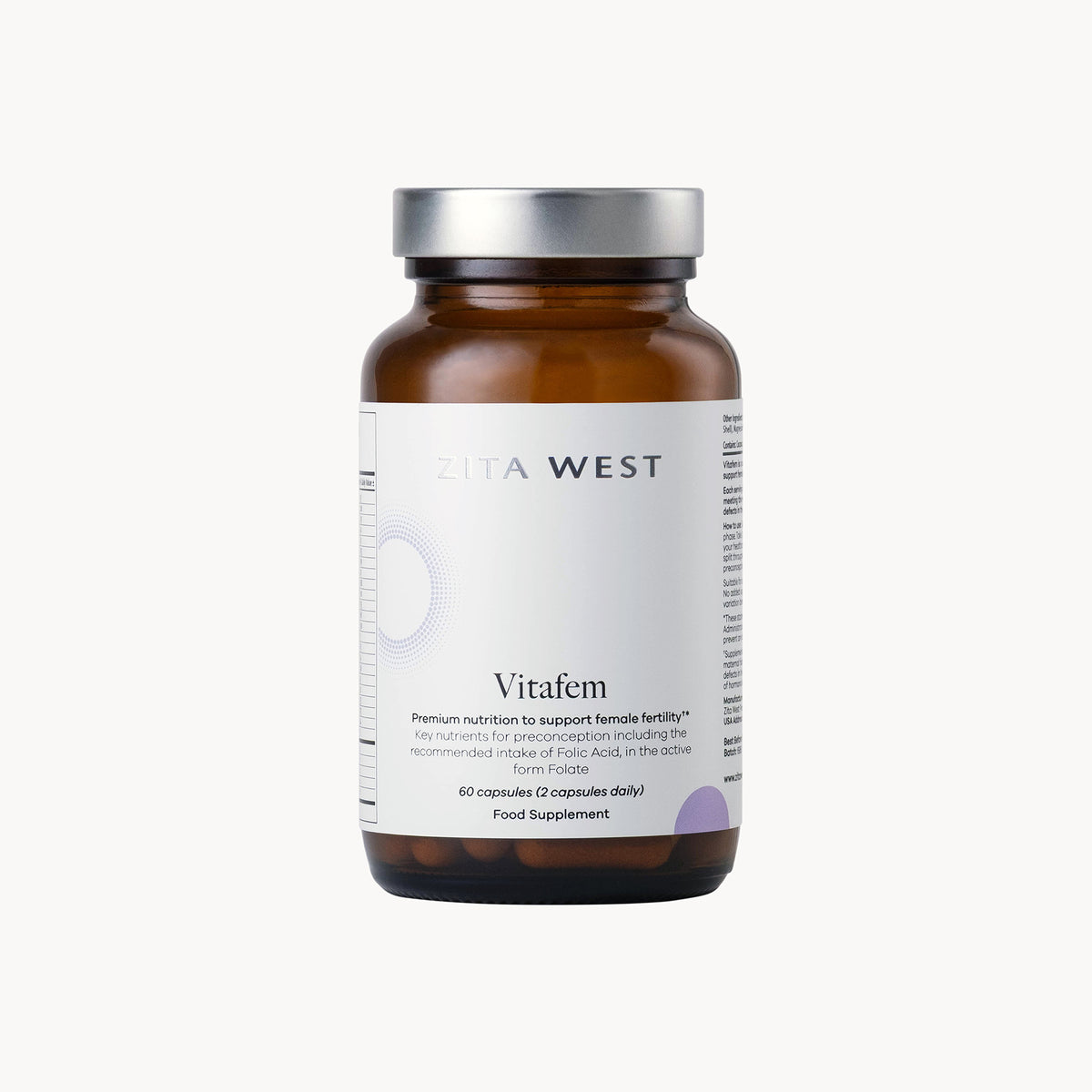
Frequently asked questions
What happens if I forget to take folic acid before conceiving?+
Start as soon as you realise, and keep taking it until 12 weeks. Most neural tube development happens in the first 28 days after conception, so starting a little later than ideal still provides meaningful protection for the remainder of that critical window.
Can I take too much folic acid?+
At the standard 400mcg dose, no — it's water-soluble and excess is excreted. The 5mg prescription dose is only for specific higher-risk groups and should be taken under medical guidance, not self-prescribed.
Do I need to keep taking folic acid after 12 weeks?+
The specific neural-tube-defect protection is only needed up to 12 weeks, but many people continue a full pregnancy multivitamin afterwards for the other nutrients (vitamin D, iron) it typically contains.
Sources

Written by
Sepehr
Software engineer, soon-to-be dad, uncle to four — the tech-obsessed half of the two of us testing this stuff. Currently building this site with my wife, ahead of our own baby arriving.